4 DaysAfghanistan
Herāt
Your 4-day travel guide
The optimal time to visit Herāt is during spring (March to May) when temperatures are mild (15-25°C/59-77°F) and the lan...
Herāt•4D•All
Herāt, Afghanistan
Duration:4 Days
Activities:12
Best for:All travelers
Silk Road Heritage and Culinary Traditions
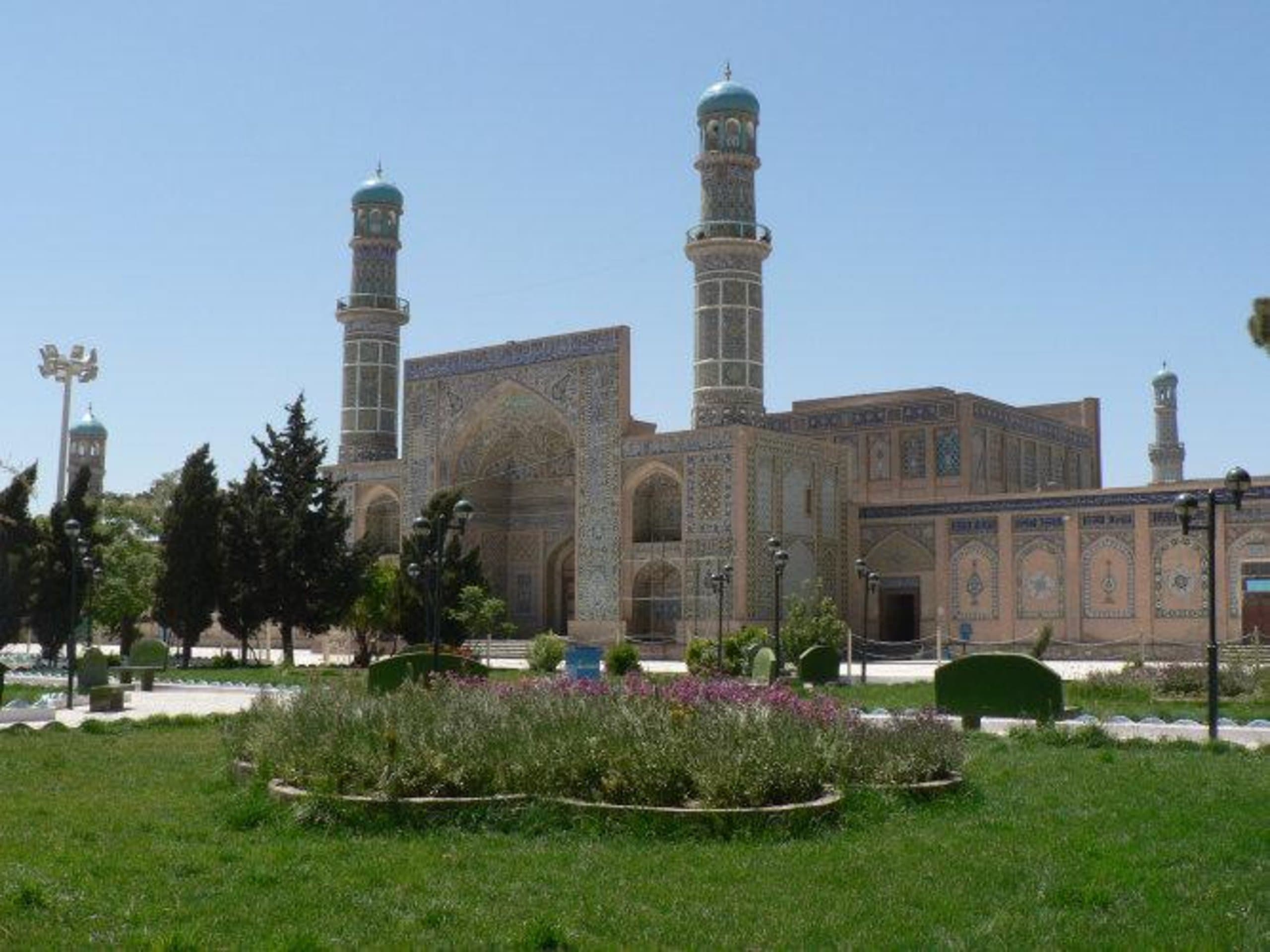
Herāt, Afghanistan's western cultural capital, offers a profound journey through centuries of history and living traditions. As a key Silk Road hub, the city showcases magnificent Timurid-era architecture alongside vibrant bazaars where artisans continue ancient crafts. For couples seeking cultural immersion, Herāt provides intimate experiences exploring ornate mosques, historic citadels, and family-run eateries serving authentic Afghan cuisine. The city's atmosphere blends historical grandeur with everyday life in its winding streets and tea houses. This itinerary focuses on architectural wonders, museum collections, and culinary discoveries that reveal Herāt's unique character as a center of Persian-influenced culture in Afghanistan.
Get Real Local Advice
Ask someone who actually lives in Herāt
1
Architectural Heritage and Old City
Day 1 of your journey
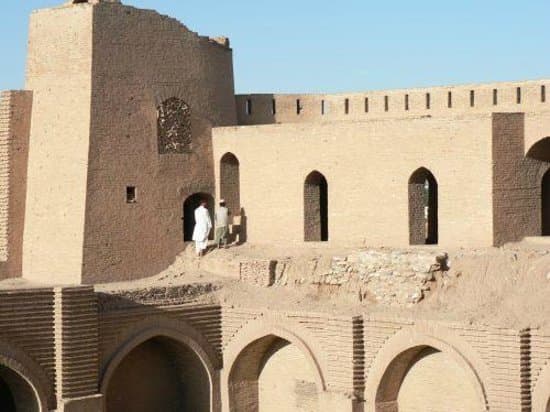
Begin your journey at this ancient fortress dating back to Alexander the Great's time, though most structures are from the Timurid period. The citadel offers panoramic views of Herāt and houses the National Museum of Herāt with archaeological artifacts. Restoration work has preserved its massive walls and towers. Plan for 2-3 hours to explore the grounds and museum exhibits. Morning visits avoid afternoon heat and provide better light for photography of the impressive architecture.
Herāt Citadel (Qala Ikhtyaruddin)
Why Visit
The citadel represents over 2,000 years of Herāt's history and offers the best introduction to the city's strategic importance. As one of Afghanistan's most significant historical sites, it provides context for understanding subsequent architectural wonders. The museum collection includes artifacts from various periods found in the region, creating a comprehensive historical overview.
Address: Near the Old City center. Hire a local guide at the entrance for detailed historical context. The upper towers offer excellent photo opportunities of the cityscape, especially in morning light.
2
Arts, Crafts and Local Life
Day 2 of your journey
3
Timurid Monuments and Gardens
Day 3 of your journey
4
Cultural Synthesis and Departure
Day 4 of your journey
Before You Go
Essential Travel Tips
Dress modestly, especially women who should carry headscarves for religious sites
Carry Afghanis in small denominations as credit cards have limited acceptance
Learn basic Dari phrases like 'salaam' (hello) and 'tashakor' (thank you)
Use registered taxis or arrange transport through your accommodation for safety
Drink bottled water and avoid uncooked vegetables unless peeled
Respect prayer times when visiting mosques - avoid visiting during midday Friday prayers
Check current security conditions with your embassy before and during travel
When to Go
Best Time to Visit
The optimal time to visit Herāt is during spring (March to May) when temperatures are mild (15-25°C/59-77°F) and the landscape is green from winter rains. Autumn (September to November) also offers pleasant weather before winter cold sets in. Summers (June to August) can be extremely hot, often exceeding 35°C/95°F, making extensive outdoor exploration uncomfortable. Winters (December to February) bring cold temperatures, sometimes below freezing at night, though days can be clear. Consider that some sites may have reduced hours during Ramadan, which shifts annually.
Local Insights & Tips
Herāti culture blends Afghan, Persian, and Central Asian influences with strong pride in local history and crafts. Social interactions emphasize hospitality - expect tea offers and invitations to share meals. Gender roles remain traditional, with public spaces predominantly male. Friday is the weekly holiday when many sites have limited hours. Bargaining is expected in markets but should be conducted respectfully. Herātis value education and artistic achievement, with many families involved in crafts for generations. The city has experienced significant challenges in recent decades, so sensitivity to local experiences is important. Despite difficulties, cultural traditions remain strong and residents are generally welcoming to respectful visitors.