4 DaysAlgeriaprovince
Tipaza
Your 4-day travel guide
The ideal time to visit Tipaza is during spring (March to May) or autumn (September to November) when temperatures are m...
Tipaza•4D•All
Tipaza, Algeria
Duration:4 Days
Activities:12
Best for:All travelers
Roman Ruins and Mediterranean Flavors
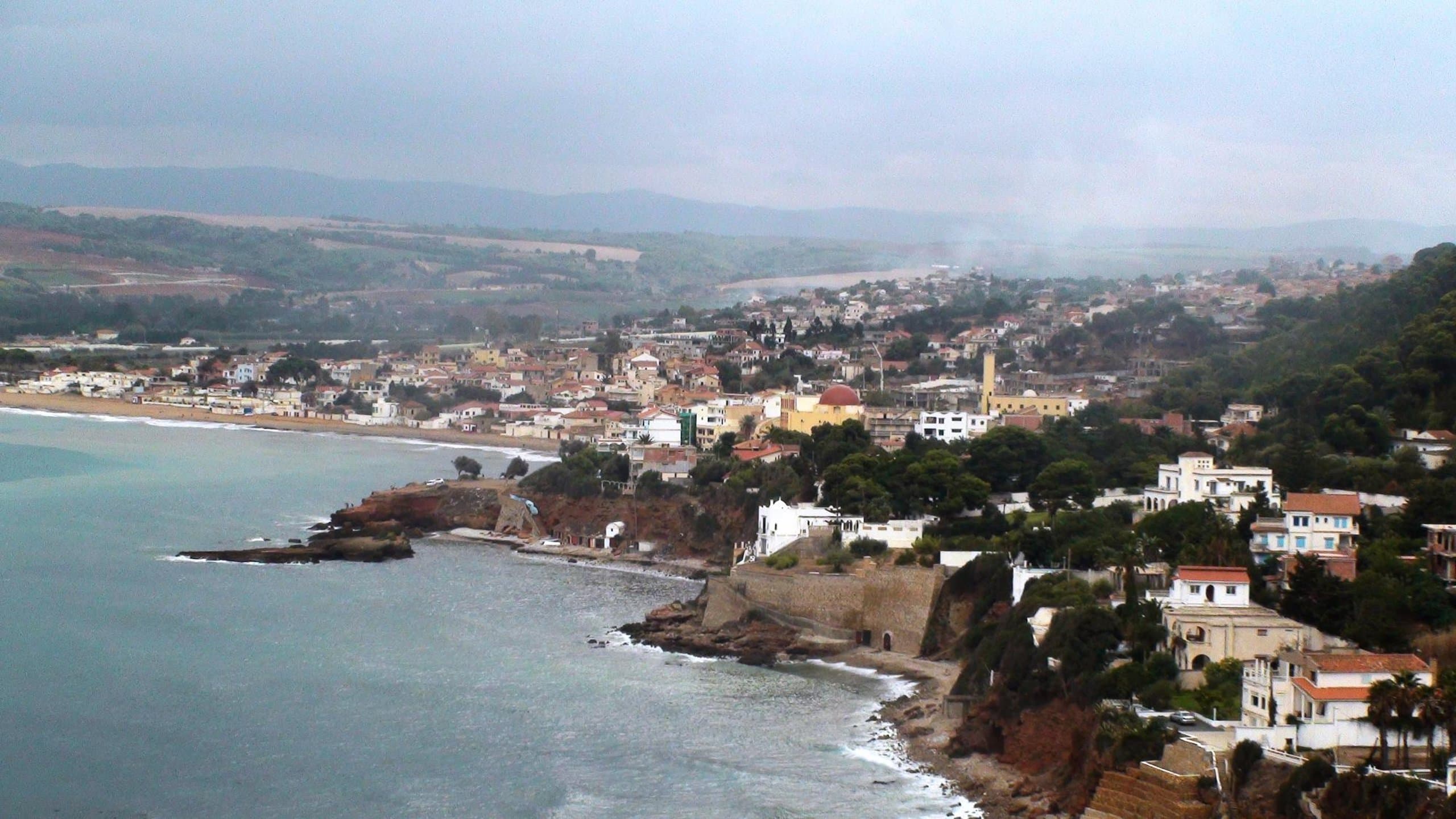
Tipaza is a coastal province in Algeria where ancient history meets Mediterranean beauty. Located just 70 kilometers west of Algiers, this region offers a remarkable blend of Roman archaeological sites, French colonial architecture, and traditional Algerian culture along the Mediterranean coast. The UNESCO World Heritage sites here include some of North Africa's best-preserved Roman ruins, while the coastal towns provide fresh seafood and relaxed atmospheres. For couples interested in culture and food, Tipaza presents a perfect balance of historical exploration and culinary discovery, with intimate coastal settings ideal for romantic moments.
Get Real Local Advice
Ask someone who actually lives in Tipaza
1
Roman Heritage and Coastal Introduction
Day 1 of your journey
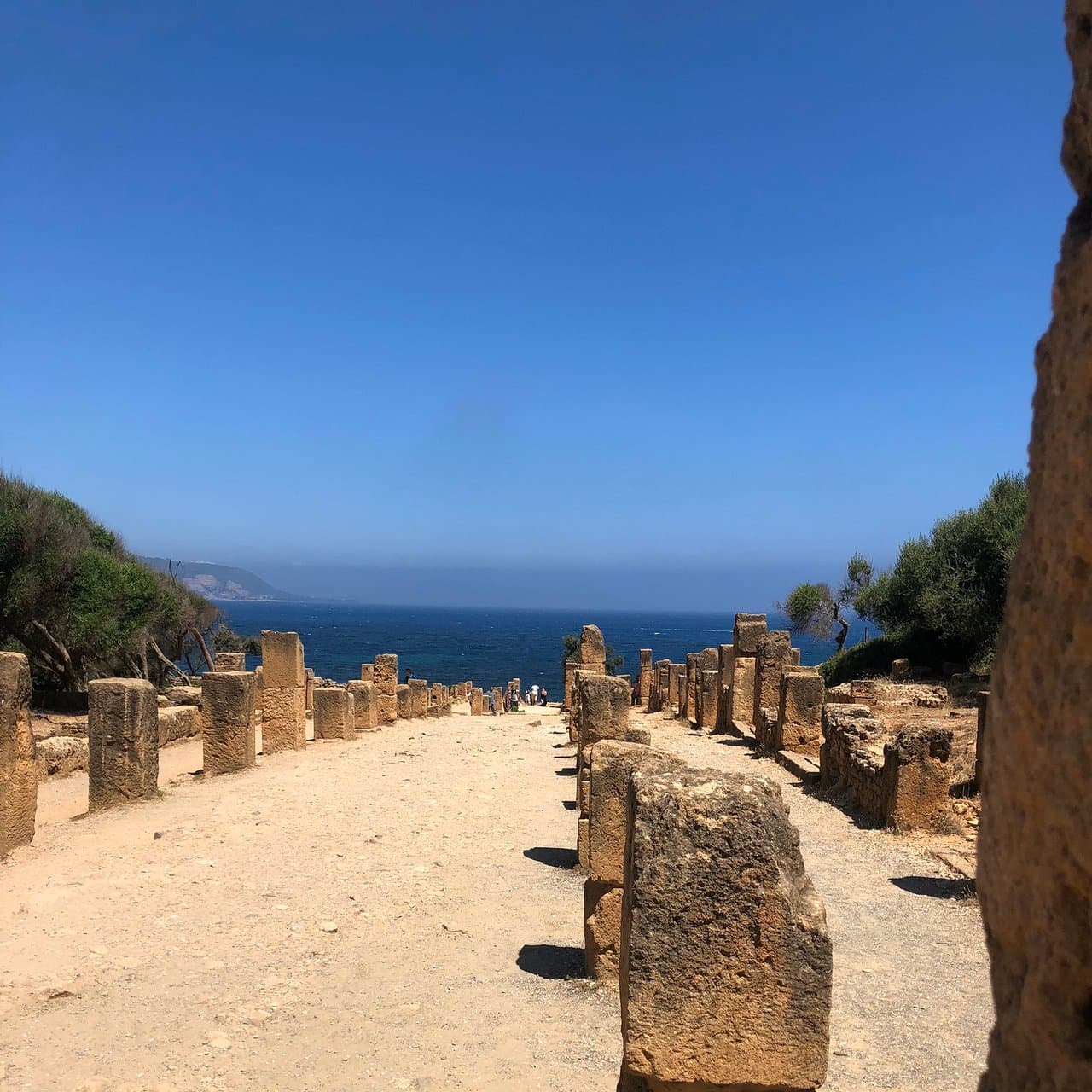
Begin your journey at the UNESCO World Heritage site featuring remarkably preserved Roman ruins dating from the 1st to 4th centuries. You'll see the amphitheater, basilicas, Christian and pagan tombs, and the forum overlooking the Mediterranean Sea. The site combines Roman, early Christian, and Byzantine elements, with many structures built directly into the coastal landscape. Plan for 2-3 hours to walk through the extensive ruins, with the morning light providing excellent visibility and photography conditions before the midday heat.
Tipaza Archaeological Park
Why Visit
This archaeological park represents one of North Africa's most significant Roman sites, offering exceptional preservation and historical continuity from pagan to Christian periods. The coastal location creates a dramatic setting where ancient architecture meets the Mediterranean, providing both cultural depth and scenic beauty perfect for couples exploring together.
Wear comfortable walking shoes as the terrain is uneven. The site opens at 9 AM daily; arriving early helps avoid crowds. Address: Route Nationale 11, Tipaza.
2
Coastal Towns and Culinary Discovery
Day 2 of your journey
3
Coastal Relaxation and Local Markets
Day 3 of your journey
4
Final Explorations and Culinary Highlights
Day 4 of your journey
Before You Go
Essential Travel Tips
Tipaza uses the Algerian dinar (DZD); credit cards are accepted at some hotels and restaurants but cash is essential for markets and smaller establishments
French and Arabic are widely spoken; basic French phrases are helpful for communication with service providers
Dress modestly when visiting religious sites and conservative areas, though coastal towns are generally relaxed
Tap water is not recommended for drinking; bottled water is widely available and inexpensive
Weekends (Friday-Saturday) see more local visitors at archaeological sites; weekdays offer quieter exploration
Summer temperatures can be hot; light clothing, hats, and sunscreen are recommended for outdoor sites
Public transportation between towns is limited; taxis or rental cars provide most flexibility for couples
Algerian cuisine uses spices but is generally not extremely hot; communicate preferences to servers if concerned
When to Go
Best Time to Visit
The ideal time to visit Tipaza is during spring (March to May) or autumn (September to November) when temperatures are mild, typically ranging from 18-25°C (64-77°F). These seasons offer comfortable conditions for exploring archaeological sites and coastal areas without extreme heat. Summer (June to August) can be hot, with temperatures often exceeding 30°C (86°F), though coastal breezes provide some relief. Winter (December to February) brings cooler temperatures around 10-15°C (50-59°F) and increased rainfall, which can affect outdoor site visits. The archaeological sites remain open year-round, but spring and autumn provide the most pleasant overall experience.
Local Insights & Tips
Tipaza reflects Algeria's complex history through its blend of Berber, Roman, and French influences. Social interactions are generally warm and hospitable, with meals often serving as important social occasions. Traditional gender roles are observed in more conservative areas, though coastal towns like Tipaza are relatively relaxed. When dining, it's customary to eat with the right hand when traditional methods are used, though utensils are widely available. Hospitality often includes offers of mint tea, which it's polite to accept. Friday is the Muslim day of prayer, so some services may have limited hours or closures. Respect for religious and cultural sites is expected, with appropriate dress and behavior. The pace of life is generally slower than in Algiers, with afternoons often including rest periods.