4 DaysAngolaprovince
Lunda-sul
Your 4-day travel guide
The best time to visit Lunda-Sul is during the dry season from May to September, when rainfall is minimal and roads are ...
Lunda-sul•4D•All
Lunda-sul, Angola
Duration:4 Days
Activities:12
Best for:All travelers
Diamonds, Rivers, and Lunda Traditions
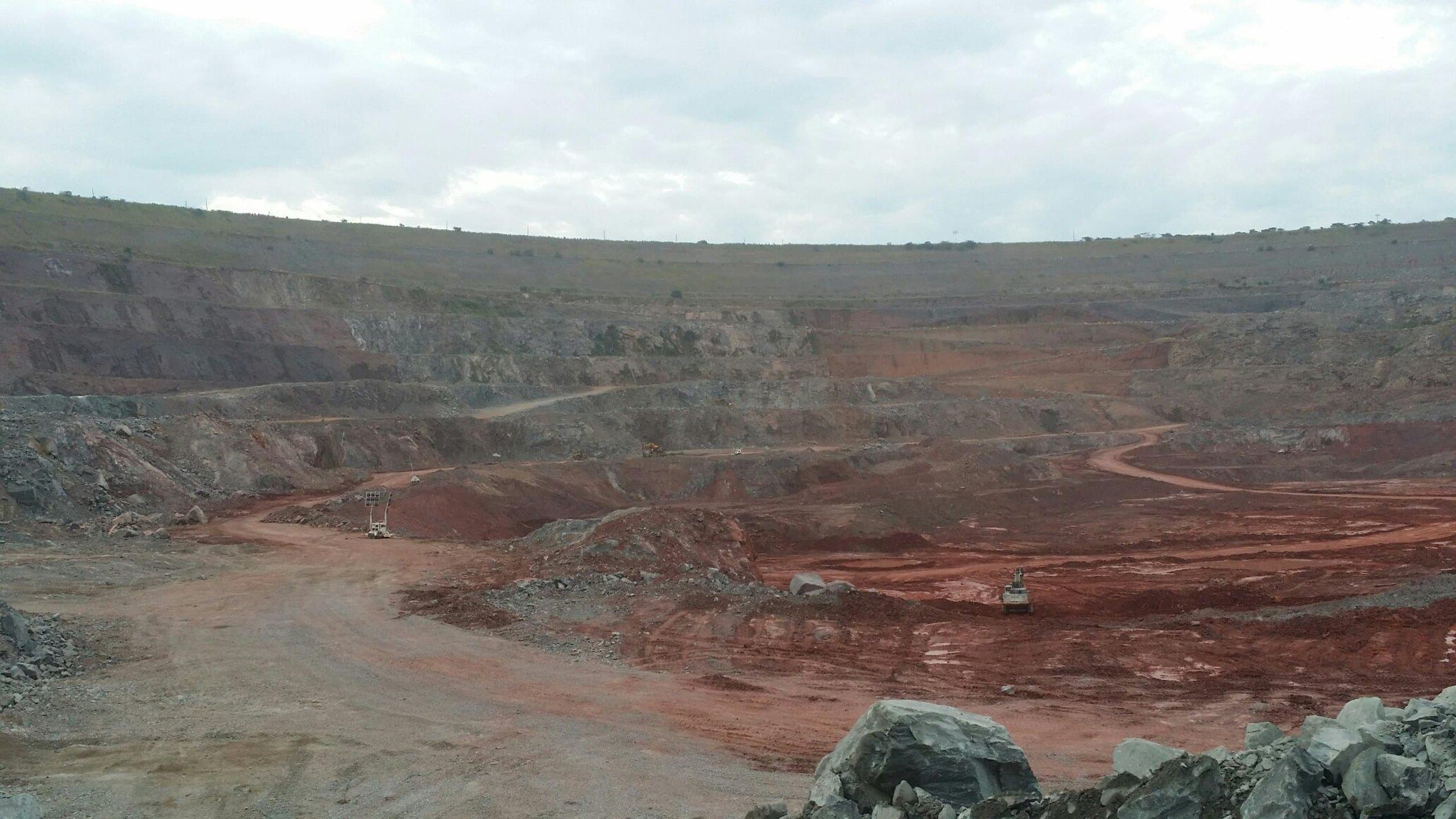
Lunda-Sul, located in northeastern Angola, is a province rich in natural resources and cultural heritage. Known for its diamond mining history and the flowing Cuango River, this region offers a unique glimpse into Angola's interior. The capital, Saurimo, serves as a gateway to explore traditional Lunda culture, colonial architecture, and local markets. While infrastructure is developing, visitors will find warm hospitality and authentic experiences away from typical tourist routes. This itinerary focuses on cultural immersion and culinary discovery, perfect for couples seeking meaningful connections with local traditions and landscapes.
Get Real Local Advice
Ask someone who actually lives in Lunda-sul
1
Urban Introduction and Cultural Foundations
Day 1 of your journey
Start your day at Saurimo's main market, a lively hub where locals shop for fresh produce, textiles, and household goods. You'll experience the daily rhythm of the city while browsing colorful stalls selling fruits like mangoes and pineapples, local crafts, and traditional fabrics. The market operates from early morning until late afternoon, with the busiest hours around mid-morning. This is an excellent opportunity to observe local commerce and practice basic Portuguese phrases with friendly vendors.
Mercado Municipal de Saurimo
Why Visit
This market provides authentic insight into daily life in Lunda-Sul and offers the chance to interact directly with local residents. You can sample fresh tropical fruits, see traditional Angolan fabrics, and understand the region's agricultural products. It's a sensory introduction to the province's culture and economy that you won't find in guidebooks.
Visit before 11:00 when the market is most active but not too crowded. Bring small bills in Angolan kwanza for easier transactions. Address: Near the city center, accessible from Avenida 11 de Novembro.
2
River Landscapes and Traditional Villages
Day 2 of your journey
3
Regional Exploration and Local Crafts
Day 3 of your journey
4
Cultural Synthesis and Departure
Day 4 of your journey
Before You Go
Essential Travel Tips
Angolan visas must be obtained in advance from embassies; tourist visas typically require invitation letters or hotel reservations
The local currency is the Angolan kwanza (AOA); carry cash as credit card acceptance is limited outside major hotels
Portuguese is the official language; learning basic phrases greatly enhances interactions
Malaria prophylaxis is recommended for Lunda-Sul; consult a travel clinic before your trip
Road conditions vary; consider hiring a local driver familiar with routes between towns
Photography of government buildings, military installations, and infrastructure may be restricted
Dress modestly, especially when visiting religious sites or rural communities
Drinking water should be bottled or purified; avoid tap water
When to Go
Best Time to Visit
The best time to visit Lunda-Sul is during the dry season from May to September, when rainfall is minimal and roads are more passable. Daytime temperatures are warm but comfortable, typically ranging from 25°C to 30°C (77°F to 86°F). The wet season from October to April brings heavy rains that can make travel difficult, especially on unpaved roads, and increases mosquito activity. Cultural events and festivals often occur during drier months, though specific dates vary annually. Travel during the dry season maximizes accessibility to rural areas and outdoor experiences.
Local Insights & Tips
Lunda-Sul is part of the traditional Lunda kingdom territory, with cultural practices that emphasize community and respect for elders. Greetings are important in social interactions; take time for polite exchanges before business or requests. The province's economy revolves around diamond mining, but many residents maintain agricultural traditions. Meals are social occasions, with lunch as the main meal of the day. Traditional beliefs coexist with Christianity, creating unique cultural syntheses. When visiting communities, modest dress and respectful behavior are appreciated. Gifts of useful items (not money) are welcomed when visiting homes. The pace of life is generally slower than in coastal Angola, with emphasis on personal relationships.