4 DaysAngola
Malanje
Your 4-day travel guide
The best time to visit Malanje is during the dry season, from May to September, when rainfall is minimal and temperature...
Malanje•4D•All
Malanje, Angola
Duration:4 Days
Activities:12
Best for:All travelers
Angolan Flavors and Colonial Echoes
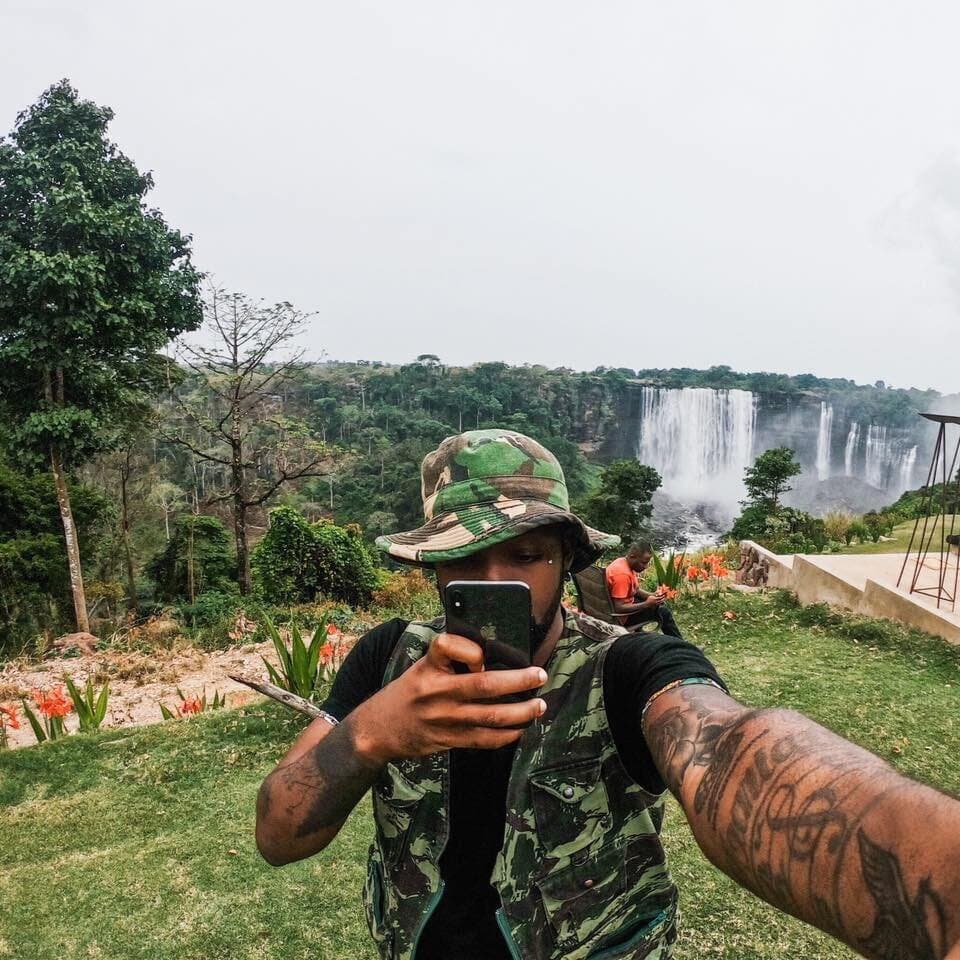
Malanje, the capital of Malanje Province in northern Angola, offers a unique blend of Portuguese colonial heritage and vibrant Angolan culture. Known for its agricultural significance and proximity to natural wonders, the city itself provides a compact urban experience with historical landmarks, local markets, and authentic cuisine. As a regional hub, it serves as a gateway to the famous Kalandula Falls and Pungo Andongo rocks, but within its boundaries, visitors can explore its central plazas, museums, and eateries that reflect Angola's post-war revitalization. This itinerary focuses on the city's cultural and culinary offerings, ideal for couples seeking a relaxed yet immersive experience.
Get Real Local Advice
Ask someone who actually lives in Malanje
1
Cultural Heritage and City Center
Day 1 of your journey
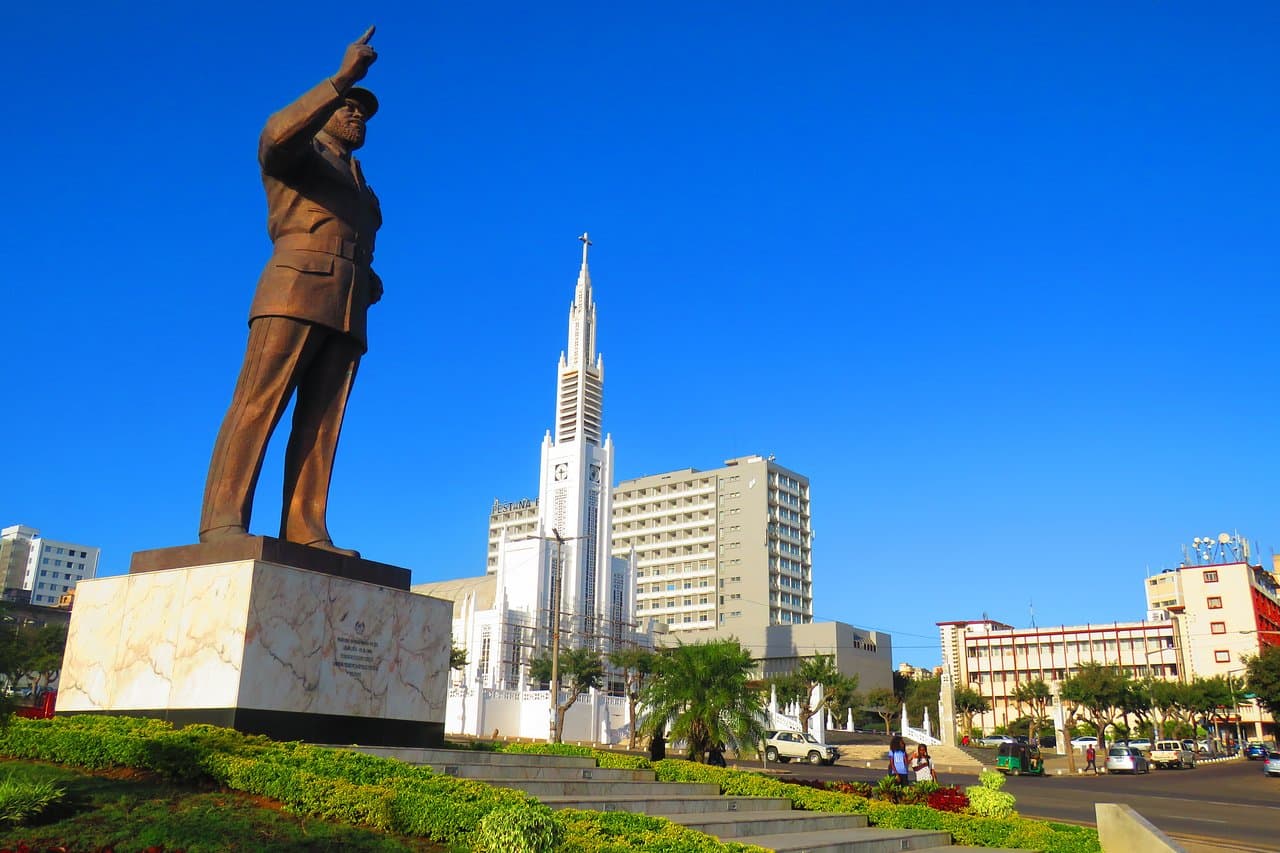
Praça da Independência is the central square of Malanje, surrounded by colonial-era buildings and government offices. Visitors can stroll around the plaza, admire the architecture, and see the monument commemorating Angola's independence. It's a hub of local activity, often with people relaxing or vendors nearby. The square is best visited in the morning when it's less crowded and the light is good for photos. Allow about an hour to take in the atmosphere and nearby streets.
Praça da Independência
Why Visit
This square is the heart of Malanje, offering a glimpse into the city's colonial past and modern identity. It's a key historical site where important events are celebrated, and its central location makes it an ideal starting point for exploring the city. The architecture provides context for Angola's Portuguese influence.
Visit on a weekday morning to avoid crowds. Look for the small cafes around the square for a quick coffee. Address: Praça da Independência, Malanje.
2
Culinary Exploration and Local Markets
Day 2 of your journey
3
Local Neighborhoods and Artisan Crafts
Day 3 of your journey
4
Relaxation and Final Culinary Highlights
Day 4 of your journey
Before You Go
Essential Travel Tips
Currency is the Angolan Kwanza (AOA); carry cash as credit cards are not widely accepted in smaller establishments.
Portuguese is the official language; learning basic phrases like 'obrigado' (thank you) is appreciated.
Use taxis for getting around; negotiate fares before riding as meters are rare.
Dress modestly, especially when visiting religious or cultural sites, to respect local customs.
Tap water is not safe to drink; stick to bottled water, which is readily available.
Safety: Be cautious with valuables in crowded areas, but Malanje is generally safe for tourists.
Electricity is 220V with Type C plugs; bring adapters if needed.
Wi-Fi is limited; consider getting a local SIM card for internet access.
When to Go
Best Time to Visit
The best time to visit Malanje is during the dry season, from May to September, when rainfall is minimal and temperatures are moderate, typically ranging from 20°C to 30°C (68°F to 86°F). This period offers comfortable conditions for exploring the city and nearby attractions. The wet season, from October to April, brings heavy rains and higher humidity, which can make outdoor activities less enjoyable and some roads difficult to navigate. Tourist crowds are generally low year-round, so the dry season provides the most pleasant experience without peak season issues.
Local Insights & Tips
Malanje is a city with a mix of colonial history and modern Angolan life, where Portuguese influence is evident in architecture and language, but local traditions remain strong. The pace is slower than in larger Angolan cities, with a focus on community and family. Respect is important in interactions; greet people politely and avoid sensitive topics like politics unless brought up by locals. Food plays a central role in social life, with meals often shared communally. When visiting markets or cooperatives, bargaining is common but should be done with a smile. The city is rebuilding post-war, so patience with infrastructure is advised. Embrace the local hospitality, which is warm and welcoming to visitors.