4 DaysArgentinaprovince
Chaco
Your 4-day travel guide
The optimal time to visit Chaco is during the dry season from April to October. These months offer pleasant temperatures...
Chaco•4D•All
Chaco, Argentina
Duration:4 Days
Activities:12
Best for:All travelers
Forests, Folklore, and Flavors of Northern Argentina
Chaco Province in northern Argentina offers a distinctive blend of indigenous heritage, colonial history, and subtropical landscapes. This region, named after the Gran Chaco ecosystem, provides an authentic cultural experience away from Argentina's more frequented tourist trails. For couples interested in culture and food, Chaco presents opportunities to explore Guarani traditions, sample regional cuisine like locro and chipá, and discover unique museums and historical sites. The province's capital, Resistencia, is known as the 'City of Sculptures,' while smaller towns preserve traditional ways of life. This itinerary balances cultural immersion with romantic moments in natural settings.
Get Real Local Advice
Ask someone who actually lives in Chaco
1
Urban Art and Indigenous Culture
Day 1 of your journey
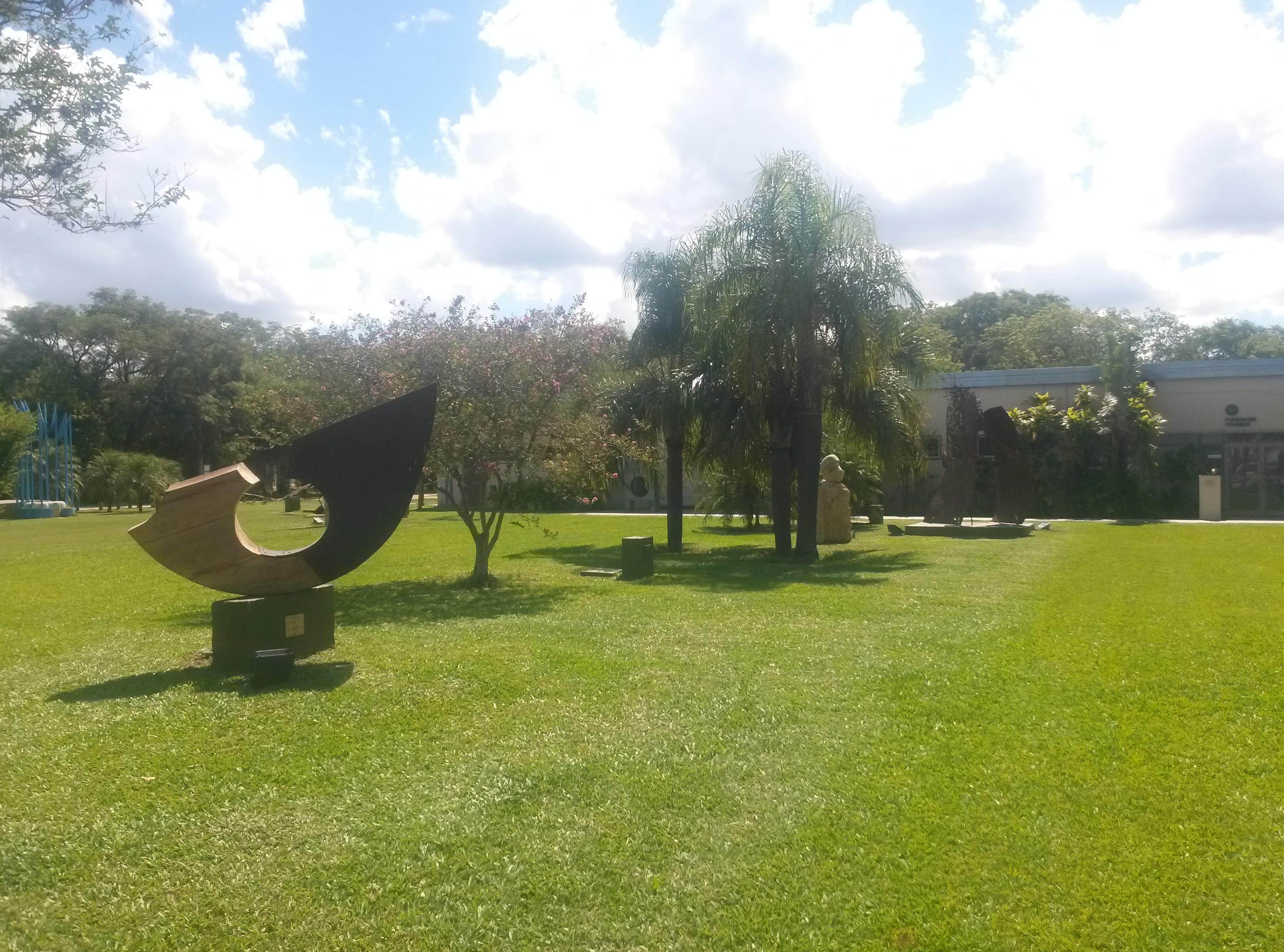
Resistencia is famous for its hundreds of sculptures displayed throughout the city, creating an extensive open-air museum. Start at the central plaza where you'll find works by Argentine artists. The sculptures range from abstract modern pieces to figurative works, integrated into parks, sidewalks, and public spaces. A leisurely walk through the city center reveals this unique artistic landscape. Most sculptures are accessible 24/7, but morning light provides the best photography conditions. Allow time to appreciate how art transforms urban spaces.
Museo de Esculturas al Aire Libre
Why Visit
This unique urban art experience showcases why Resistencia is called Argentina's sculpture capital. The integration of art into daily city life creates unexpected discoveries around every corner. For couples, it offers a romantic stroll with constant visual stimulation and conversation starters. The collection represents decades of artistic development in northern Argentina.
Pick up a sculpture map from the tourist office on Avenida 25 de Mayo. Address: Tourist Office, Av. 25 de Mayo 175. The route along Avenida Sarmiento has particularly dense concentrations of sculptures.
2
Jesuit Heritage and Forest Exploration
Day 2 of your journey
3
Traditional Crafts and River Culture
Day 3 of your journey
4
Agricultural Heritage and Departure
Day 4 of your journey
Before You Go
Essential Travel Tips
Chaco uses Argentine pesos; credit cards accepted in cities but carry cash for smaller establishments
Spanish is essential; few English speakers outside tourist offices in Resistencia
Summer (Dec-Feb) is hot and humid; light clothing, sun protection, and hydration are crucial
Public buses connect major towns; rental car provides most flexibility for this itinerary
Tap water is generally safe in cities; bottled water available everywhere
Dining times are later than North America: lunch 13:00-15:00, dinner 20:30-23:00
Tipping 10% is customary in restaurants if service charge isn't included
Power outlets are Type I (Australian/Argentine standard); bring adapters if needed
When to Go
Best Time to Visit
The optimal time to visit Chaco is during the dry season from April to October. These months offer pleasant temperatures (15-25°C / 59-77°F) and lower humidity, making outdoor activities comfortable. The winter months of June and July can be cool at night but generally mild during the day. November to March brings high heat (often above 35°C / 95°F), high humidity, and occasional heavy rains that can affect travel. Cultural festivals occur throughout the year, with notable events like the National Sculpture Biennial in Resistencia (July) and agricultural expos in Sáenz Peña (various dates).
Local Insights & Tips
Chaco culture blends indigenous traditions with immigrant influences from Europe and neighboring countries. The Qom and Wichí communities maintain distinct cultural practices, particularly in crafts and language. Mate drinking is a social ritual everywhere—sharing mate signifies friendship and hospitality. Meals emphasize hearty, simple preparations using local ingredients like corn, river fish, and beef. Punctuality is flexible in social settings. Respect for elders and community values remains strong. In rural areas, life follows agricultural rhythms. The pace is generally slower than in Argentina's larger cities, with emphasis on personal relationships over efficiency. When visiting indigenous communities, ask permission before photographing people and consider purchasing crafts directly from artisans to support local economies.