4 DaysArgentinaprovince
Jujuy
Your 4-day travel guide
The best time to visit Jujuy is during the dry season from April to November. April to June and September to November of...
Jujuy•4D•All
Jujuy, Argentina
Duration:4 Days
Activities:12
Best for:All travelers
Quebradas, Carnaval, and Andean Flavors
Jujuy, Argentina's northernmost province, offers a profound cultural journey through dramatic landscapes and living traditions. This region combines the stark beauty of the Quebrada de Humahuaca—a UNESCO World Heritage site—with vibrant indigenous cultures and a distinct culinary heritage. You'll experience colonial towns with cobblestone streets, colorful hills that change with the light, and festivals that blend Catholic and pre-Columbian rituals. The air is thin at these altitudes, but the warmth of the people and the intensity of the flavors—from llama stew to humitas—create an unforgettable adventure. This itinerary focuses on cultural immersion and authentic food experiences across the province's most significant areas.
Get Real Local Advice
Ask someone who actually lives in Jujuy
1
Cultural Introduction and Colonial Charm
Day 1 of your journey
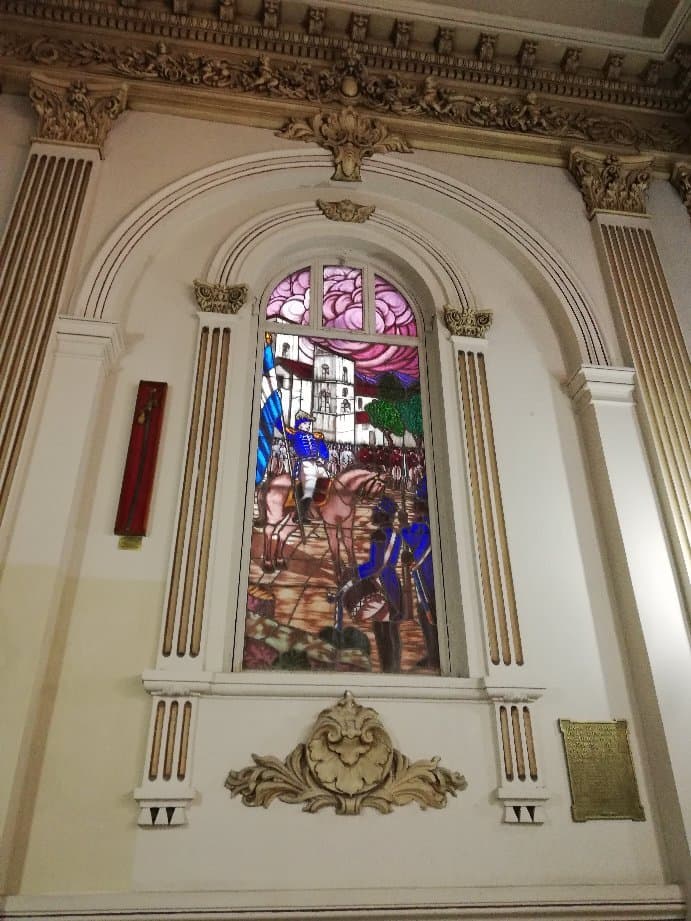
Start at the city's main square, Plaza Belgrano, surrounded by historic buildings. The cathedral, built in the 17th century, features a Baroque altarpiece covered in gold leaf and important religious art. Inside, you'll see the pulpit where the Argentine flag was first blessed. The square itself is a social hub with palm trees and monuments. Plan about an hour to appreciate the architecture and atmosphere, with mornings being less crowded. The area is flat and easily walkable.
Catedral de San Salvador de Jujuy and Plaza Belgrano
Why Visit
This is the cultural and historical heart of Jujuy's capital. The cathedral houses significant national relics, including the original flag blessed during the Wars of Independence. The square offers a glimpse into daily local life and serves as a perfect introduction to the region's colonial past and present community spirit, setting the tone for your cultural journey.
Look for the flagstone in the cathedral marking where the Argentine flag was first blessed. The square hosts occasional craft markets on weekends. Address: Belgrano Street between Sarmiento and Lamadrid.
2
UNESCO Heritage and Mountain Towns
Day 2 of your journey
3
Andean Village Life and Salt Flats
Day 3 of your journey
4
High Altitude Culture and Return Journey
Day 4 of your journey
Before You Go
Essential Travel Tips
Jujuy uses Argentine pesos (ARS). Credit cards are accepted in cities but carry cash for smaller towns and markets.
Spanish is essential; few people speak English outside tourist areas. Learn basic phrases like 'gracias' (thank you) and 'cuánto cuesta' (how much).
Altitude sickness is common above 2,000 meters. Acclimate slowly, drink plenty of water, and avoid heavy meals and alcohol initially.
The sun is intense at high altitude. Use strong sunscreen, wear a hat and sunglasses, even on cloudy days.
Respect local customs, especially in indigenous communities. Ask permission before photographing people, and dress modestly when visiting churches.
Taxis and remises (private cars) are affordable in cities. For intercity travel, buses are reliable; companies like Balut and Panamericano serve the Quebrada.
Tap water is generally safe in cities, but bottled water is recommended in rural areas. Avoid ice in drinks if unsure.
Jujuy is generally safe, but be cautious with valuables in crowded areas. Keep bags closed and be aware in markets.
When to Go
Best Time to Visit
The best time to visit Jujuy is during the dry season from April to November. April to June and September to November offer mild daytime temperatures (15-25°C) and cool nights, with minimal rain. July and August are winter, with cold nights (below freezing at high altitudes) but clear, sunny days—ideal for hiking but requiring warm clothing. The summer rainy season (December to March) brings afternoon thunderstorms, which can cause road delays but make the landscapes greener. Major festivals like Carnaval (February) are vibrant but crowded.
Local Insights & Tips
Jujuy's culture is a mix of indigenous traditions, mainly from the Quechua and Aymara peoples, and Spanish colonial influences. This blend is visible in festivals, food, and religious practices. Respect is key; greet people with a polite 'buenos días' and engage patiently. The pace of life is slower, especially in small towns—embrace it. In markets, bargaining is part of the interaction but do it with a smile. Tipping 10% is customary in restaurants. The region has a strong sense of community; participating in local events, even as an observer, is appreciated. Note that many places close for siesta from about 1 PM to 5 PM, particularly in smaller towns.