4 DaysArgentinaprovince
Misiones
Your 4-day travel guide
The best time to visit Misiones is during the Southern Hemisphere's autumn and spring: from March to May and August to O...
Misiones•4D•All
Misiones, Argentina
Duration:4 Days
Activities:12
Best for:All travelers
Jungle Waterfalls, Jesuit Ruins, and Yerba Mate Traditions
Misiones, Argentina's northeastern province, is a region of lush subtropical rainforests, dramatic waterfalls, and deep cultural heritage. Known globally for the thunderous Iguazú Falls, it also holds the remarkable ruins of Jesuit missions and is the heartland of Argentina's yerba mate production. This itinerary explores the province's natural wonders and cultural layers, from the power of the Paraná River to the quiet history of its colonial past and the daily ritual of mate shared among locals. It's a journey through water, stone, and tradition.
Get Real Local Advice
Ask someone who actually lives in Misiones
1
Arrival and Iguazú National Park Introduction
Day 1 of your journey
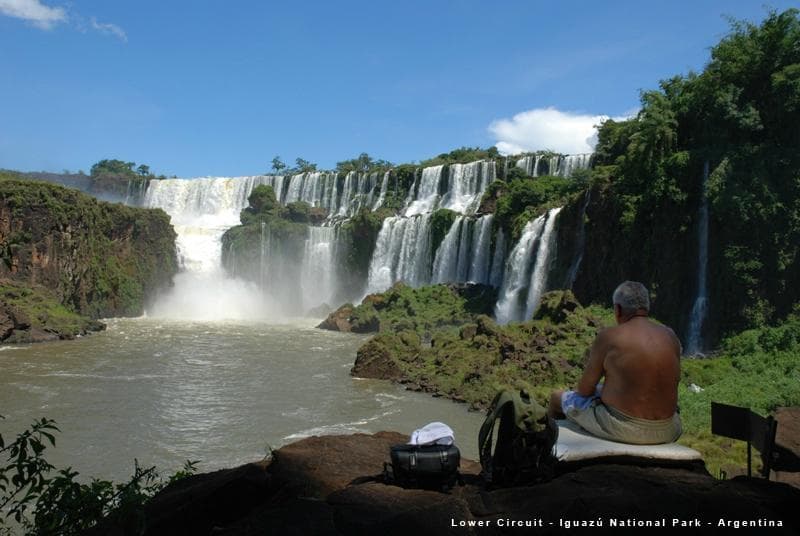
Begin your adventure at Iguazú National Park, a UNESCO World Heritage site. The Upper Circuit offers a series of walkways that provide panoramic views from above the countless falls that make up the system. You'll see the powerful Devil's Throat from a distance and get a sense of the scale. The walk is mostly on level paths, taking about 1.5 to 2 hours to complete at a leisurely pace. It's best visited in the afternoon when the light is good for photography and the morning crowds have thinned.
Iguazú National Park - Upper Circuit
Why Visit
This is the classic introduction to one of the world's most spectacular natural wonders. The Upper Circuit delivers breathtaking, wide-angle views that capture the immense power and beauty of the falls. It allows you to appreciate the sheer volume of water and the lush rainforest surroundings without the intense spray of the lower paths, making it a perfect first activity.
Purchase your park entry ticket online in advance to skip the ticket booth queue. Wear sturdy, non-slip shoes as the walkways can be wet. Address: Iguazú National Park, RN101.
2
Iguazú Falls Immersion and Local Culture
Day 2 of your journey
3
Jesuit History and Yerba Mate Country
Day 3 of your journey
4
Yerba Mate Immersion and Departure
Day 4 of your journey
Before You Go
Essential Travel Tips
The local currency is the Argentine Peso (ARS). Carry cash, especially in smaller towns, as not all places accept credit cards.
Spanish is the official language. Basic phrases are appreciated, though in tourist areas like Puerto Iguazú, some English is spoken.
Tipping is customary in Argentina. In restaurants, a 10% propina (tip) is standard if service is not included in the bill.
The climate is humid subtropical. Pack lightweight, breathable clothing, a rain jacket, sturdy walking shoes, insect repellent, and sunscreen.
Tap water is generally safe to drink in cities like Puerto Iguazú and Posadas, but many prefer bottled water.
Electrical outlets are Type I (Australian/Argentine standard, 220V). Bring a suitable adapter.
For Iguazú Falls, a waterproof bag or case for phones/cameras is highly recommended, especially if doing boat tours.
When to Go
Best Time to Visit
The best time to visit Misiones is during the Southern Hemisphere's autumn and spring: from March to May and August to October. These months offer pleasant, warm temperatures (typically 20-28°C or 68-82°F) and lower humidity compared to the hot, muggy summer (December-February). Rainfall is also less frequent, though sporadic showers can occur year-round. Winter (June-July) is mild but can be cooler, especially in the evenings. The waterfalls are powerful year-round, but water volume is highest after summer rains.
Local Insights & Tips
Misiones has a distinct cultural blend influenced by European immigrants (notably from Eastern Europe) and the indigenous Guaraní people. The daily ritual of drinking yerba mate is central to social life; it's a shared experience often offered as a sign of friendship. Meals tend to be late, with dinner commonly starting around 9 PM or later. The pace of life is generally relaxed, especially outside Puerto Iguazú. A friendly and direct communication style is common. When visiting the Jesuit ruins or natural sites, showing respect for the history and environment is appreciated.