4 DaysAustriaprovince
Niederösterreich
Your 4-day travel guide
The ideal time to visit Niederösterreich is from April to October. Spring (April-June) offers mild weather, blooming fru...
Niederösterreich•4D•All
Niederösterreich, Austria
Duration:4 Days
Activities:12
Best for:All travelers
Vineyards, Castles, and Danube Dreams
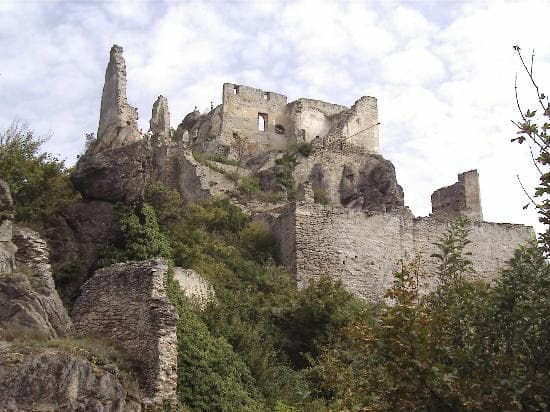
Niederösterreich, Austria's largest province, surrounds Vienna like a green embrace while offering its own distinct character. This region combines imperial history with rural charm, where vineyard-covered hills meet medieval towns and Baroque monasteries. As Austria's wine country heartland, it provides exceptional culinary experiences alongside cultural treasures from the Habsburg era. For couples seeking romance, the landscape offers intimate moments in wine taverns, peaceful walks through historic centers, and panoramic views from hilltop castles. The province's manageable scale allows for deep exploration without constant long-distance travel, making it ideal for a four-day immersion.
Get Real Local Advice
Ask someone who actually lives in Niederösterreich
1
Imperial History and Wine Introduction
Day 1 of your journey
Krems serves as the gateway to the Wachau Valley, with its well-preserved medieval center featuring cobblestone streets and pastel-colored buildings. The Steiner Tor, a 15th-century city gate, marks the entrance to the historic district. Visitors can wander through narrow lanes discovering Gothic and Baroque architecture, including the imposing Pfarrkirche St. Veit church. The town's layout reveals its importance as a trading center along the Danube. Allow about two hours to explore at a leisurely pace, stopping at small shops and cafes.
Krems Old Town
Why Visit
Krems provides the perfect introduction to Niederösterreich's cultural heritage with its intact medieval architecture and strategic Danube location. The Steiner Tor is one of Austria's last remaining city gates, offering photographic opportunities and historical context. Walking through the car-free old town feels like stepping back in time, with each building telling stories of the region's past as a wine and trade hub.
Visit the tourist information center near Steiner Tor for maps and current event information. Address: Steiner Landstraße 3, 3500 Krems an der Donau. The best light for photography is in late afternoon when the sun illuminates the gate's stonework.
2
Wachau Valley Wine and Romance
Day 2 of your journey
3
Baroque Splendor and Culinary Traditions
Day 3 of your journey
4
Royal Retreats and Farewell Dinner
Day 4 of your journey
Before You Go
Essential Travel Tips
Niederösterreich uses the Euro (€). Credit cards are widely accepted, but carry some cash for smaller establishments and Heurigen.
German is the official language. English is commonly spoken in tourist areas, but learning basic German phrases is appreciated.
Public transportation is efficient with trains connecting major towns and buses serving smaller villages. Consider the Niederösterreich Card for discounts.
Austria has a high safety standard, but normal precautions for valuables in tourist areas apply.
Tipping is customary: round up the bill or add 5-10% for good service in restaurants.
Many museums and attractions close on Mondays, so plan accordingly.
Austrian dining culture emphasizes leisurely meals; don't expect rushed service.
Dress in layers as weather can change quickly, especially in the Danube Valley.
When to Go
Best Time to Visit
The ideal time to visit Niederösterreich is from April to October. Spring (April-June) offers mild weather, blooming fruit trees (especially apricot blossoms in the Wachau), and fewer crowds. Summer (July-August) provides warm temperatures perfect for river activities and outdoor dining, but attracts more tourists. Early autumn (September-October) is particularly beautiful with grape harvest activities, fall colors, and wine festivals. Many Heurigen and boat services operate from April through October. Winter has fewer tourists and Christmas markets, but some attractions have reduced hours and vineyards are dormant.
Local Insights & Tips
Niederösterreich balances traditional rural life with sophisticated culture. The region takes pride in its agricultural products, particularly wine, apricots, and pumpkins. Meals are social occasions meant to be enjoyed slowly. When visiting Heurigen, understand that these are casual establishments where you might share tables with locals. Sunday remains a quiet day with limited shopping. Austrians value punctuality for appointments and reservations. The region has strong Catholic traditions visible in religious festivals and architecture. While formal in initial interactions, locals warm up with genuine interest in their culture. The proximity to Vienna influences the eastern parts, while western areas maintain more distinct rural character.