4 DaysBelarus
Homyel’
Your 4-day travel guide
The best time to visit Homyel' is from May to September when temperatures are mild to warm (15-25°C/59-77°F) and days ar...
Homyel’•4D•All
Homyel’, Belarus
Duration:4 Days
Activities:12
Best for:All travelers
Soviet Echoes and Belarusian Flavors
Homyel', Belarus' second-largest city, offers a compelling blend of Soviet-era history and authentic Belarusian culture. Located along the Sozh River in southeastern Belarus, this city provides a more intimate alternative to Minsk's bustle. Visitors will discover well-preserved architecture from different periods, museums documenting the region's complex past, and opportunities to experience traditional Belarusian hospitality. For couples interested in culture and food, Homyel' presents a chance to explore together at a relaxed pace, with romantic river walks and cozy local eateries adding to the experience.
Get Real Local Advice
Ask someone who actually lives in Homyel’
1
Cultural Heritage and Architecture
Day 1 of your journey
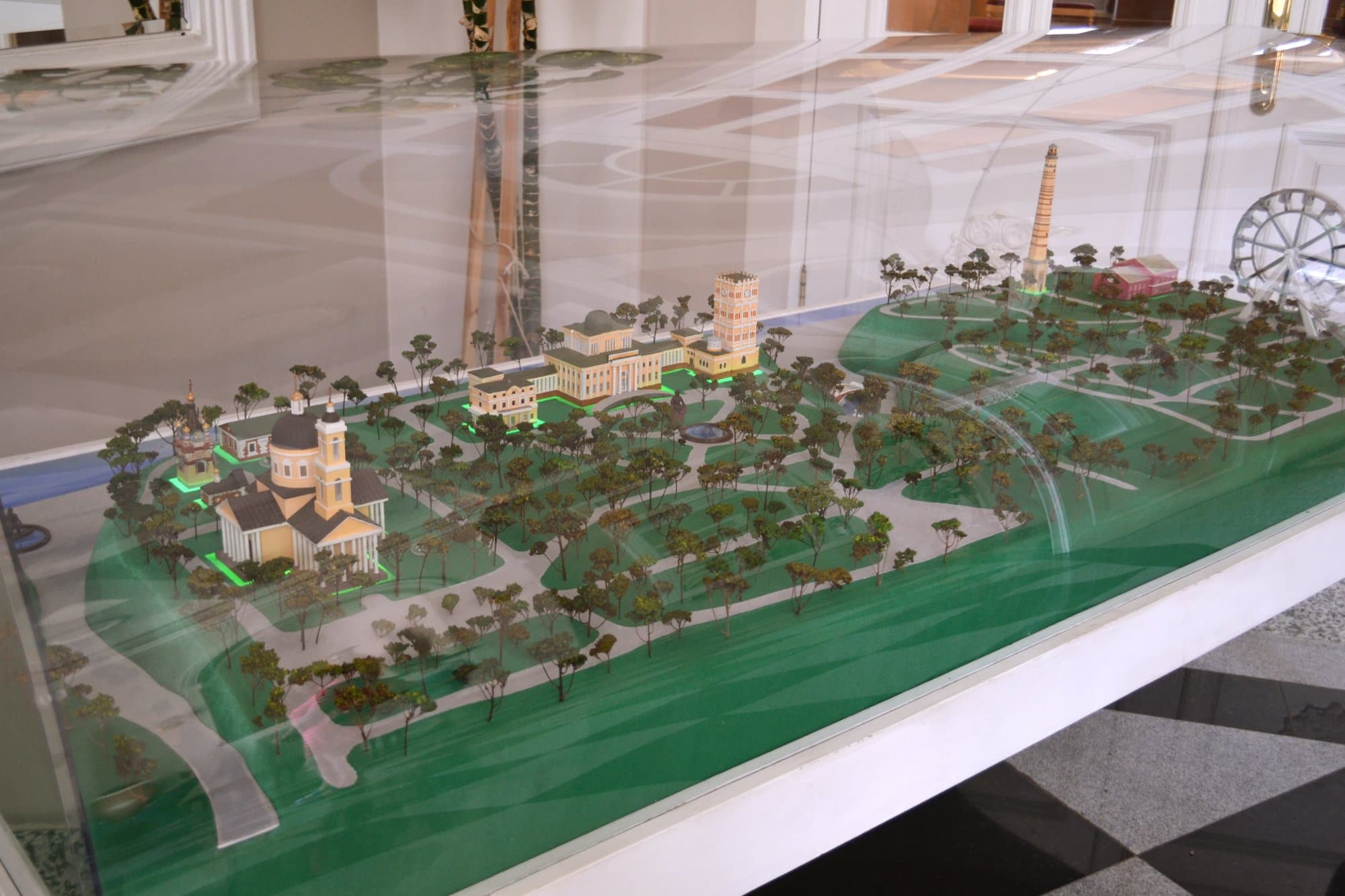
This 18th-century neoclassical palace is Homyel's most significant architectural landmark, originally built for Count Pyotr Rumyantsev. The complex includes the main palace building, winter garden, chapel, and park along the Sozh River. Visitors can tour restored interiors with period furnishings and learn about the aristocratic families who lived here. The surrounding English-style park is perfect for a leisurely stroll. Plan for about 2 hours to see both the palace and grounds thoroughly.
Palace of the Rumyantsevs and Paskeviches
Why Visit
This palace offers the best introduction to Homyel's aristocratic history and architectural heritage. As the city's most prominent historical site, it provides context for understanding the region's development. The riverside location creates a romantic atmosphere perfect for couples, with beautiful photo opportunities throughout the palace and park.
Visit the observation tower for panoramic views of the Sozh River. The palace is closed on Mondays, so plan accordingly. Address: Lenin Square, Homyel.
2
Soviet History and Local Life
Day 2 of your journey
3
Art, Parks, and Local Markets
Day 3 of your journey
4
Neighborhood Exploration and Farewell
Day 4 of your journey
Before You Go
Essential Travel Tips
Belarus uses the Belarusian ruble (BYN). Credit cards are accepted in hotels and larger restaurants, but carry cash for markets, taxis, and smaller establishments.
Russian is the primary language in Homyel. Learning basic phrases like 'spasibo' (thank you) and 'zdravstvuyte' (hello) is appreciated, though younger people may speak some English.
Public transportation includes buses and trolleybuses. Purchase tickets from drivers or kiosks. Taxis are affordable; use official taxi stands or apps like Yandex.Taxi.
Homyel is generally safe, but take normal precautions with valuables. Police presence is visible, especially in central areas.
Tipping is not expected but appreciated for good service (5-10% in restaurants).
Many museums close on Mondays or Tuesdays. Check individual schedules when planning your visit.
Dress modestly when visiting religious sites. Women should cover their heads in Orthodox churches.
Spring and autumn have the most pleasant weather for exploring. Summers can be warm, winters cold with snow.
When to Go
Best Time to Visit
The best time to visit Homyel' is from May to September when temperatures are mild to warm (15-25°C/59-77°F) and days are long. This period offers comfortable conditions for walking and outdoor activities. Late spring (May-June) brings green parks and fewer tourists. Summer (July-August) has the warmest weather but can be humid. Early autumn (September) provides pleasant temperatures and autumn colors. Winter (December-February) is cold with snow, which can be atmospheric but limits outdoor time. The city doesn't have pronounced tourist seasons, so crowds are rarely an issue.
Local Insights & Tips
Homyel' has a more relaxed pace than Minsk, with strong local identity rooted in both Belarusian traditions and Soviet history. The city developed significantly during the Soviet period, which is visible in its architecture and urban layout. Locals are generally reserved but hospitable when approached respectfully. Orthodox Christianity is important culturally, even for non-practicing residents. Food culture emphasizes hearty, traditional dishes with seasonal ingredients. The city takes pride in its parks and riverfront as community spaces. When interacting with locals, a polite, formal approach is appreciated initially. Understanding that Homyel' has experienced significant historical changes helps appreciate its current character.