4 DaysBeninprovince
Plateau
Your 4-day travel guide
The best time to visit Plateau State is during the dry season from November to March when rainfall is minimal and temper...
Plateau•4D•All
Plateau, Benin
Duration:4 Days
Activities:12
Best for:All travelers
Culture and Cuisine in Nigeria's Heartland
Plateau State in central Nigeria offers a refreshing escape with its cooler climate, diverse ethnic heritage, and rich cultural traditions. Known as the 'Home of Peace and Tourism,' this region features rolling hills, unique rock formations, and a fascinating mix of indigenous peoples. This itinerary explores the state's cultural depth through museums, historical sites, and local markets, while savoring the distinctive flavors of Plateau cuisine. From the capital city of Jos to smaller towns, you'll experience warm hospitality and authentic encounters that showcase Nigeria beyond its major urban centers.
Get Real Local Advice
Ask someone who actually lives in Plateau
1
Cultural Introduction and City Exploration
Day 1 of your journey
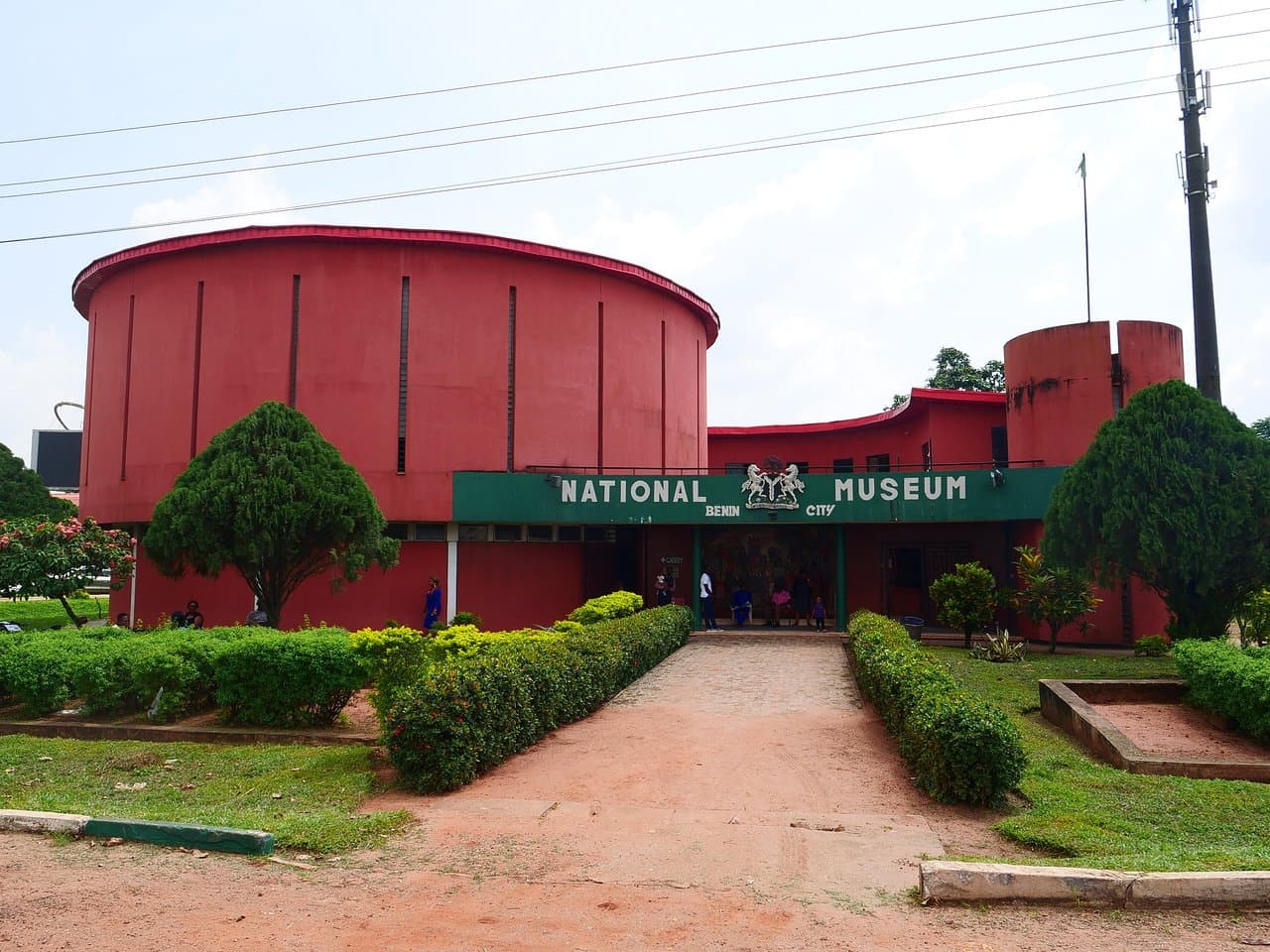
The National Museum Jos houses one of Nigeria's most important archaeological collections, including the famous Nok terracotta sculptures dating back to 500 BC. Visitors can explore galleries showcasing traditional arts, crafts, and historical artifacts from various Nigerian cultures. The museum provides excellent context for understanding the region's ancient civilizations. Plan for about 2 hours to appreciate the exhibits fully. The museum is typically less crowded in the morning, making it ideal for a relaxed visit.
National Museum Jos
Why Visit
This museum offers the best introduction to Plateau State's ancient history and Nigeria's archaeological heritage. The Nok terracotta collection is internationally significant and provides insight into one of Africa's earliest known civilizations. For couples interested in culture, it establishes historical context for everything you'll experience throughout your trip.
Address: Museum Road, Jos. Ask museum staff about guided tours for more detailed explanations of the Nok culture artifacts. Photography may require a small additional fee.
2
Traditional Crafts and Scenic Views
Day 2 of your journey
3
Market Culture and Traditional Village Life
Day 3 of your journey
4
Ethnic Heritage and Return to Jos
Day 4 of your journey
Before You Go
Essential Travel Tips
Plateau State has a cooler climate than much of Nigeria—pack layers for changing temperatures
Nigerian Naira is the local currency—carry cash as credit cards are not widely accepted outside major hotels
English is widely spoken in Jos and tourist areas, but learning basic Hausa greetings is appreciated
Dress modestly, especially when visiting traditional communities or religious sites
Drink bottled water and be cautious with street food if you have sensitive digestion
Travel between towns is best arranged through reputable taxi services or hired drivers
Always confirm prices for services and goods in advance to avoid misunderstandings
Respect local customs regarding photography—always ask permission before photographing people
When to Go
Best Time to Visit
The best time to visit Plateau State is during the dry season from November to March when rainfall is minimal and temperatures are comfortable. The harmattan season (December-February) brings cooler, hazier conditions due to dust from the Sahara. April begins the hot season before rains start in May. The rainy season from May to October can make some rural roads difficult to navigate, though the landscape is greener. Cultural events and festivals often occur during the dry season, offering additional experiences for visitors.
Local Insights & Tips
Plateau State is home to numerous ethnic groups including the Berom, Afizere, Anaguta, and others, each with distinct traditions. Respect for elders and community values is important in local cultures. When visiting traditional areas, modest dress is appreciated, and photography should be approached respectfully. The cooler climate has made Plateau a retreat destination within Nigeria, creating a mix of traditional and modern influences. Hospitality is generally warm, and visitors who show genuine interest in local culture are often welcomed. Markets and community gatherings are central to social life beyond the urban centers.