4 DaysBolivia
Cochabamba
Your 4-day travel guide
Cochabamba's nickname 'City of Eternal Spring' reflects its generally pleasant climate year-round. The dry season from M...
Cochabamba•4D•All
Cochabamba, Bolivia
Duration:4 Days
Activities:12
Best for:All travelers
Flavors and Heritage in Bolivia's Garden City
Cochabamba, Bolivia's third-largest city, sits in a fertile valley at 2,558 meters above sea level. Known as the 'City of Eternal Spring' for its pleasant climate, it's celebrated for its rich culinary traditions and welcoming atmosphere. The city blends colonial architecture with modern urban life, centered around Plaza 14 de Septiembre. Cochabamba offers a genuine Bolivian experience less frequented by international tourists, where you can explore vibrant markets, taste some of the country's best food, and discover cultural sites that tell stories of indigenous heritage and colonial history. It's an ideal destination for couples seeking authentic cultural immersion and culinary discovery.
Get Real Local Advice
Ask someone who actually lives in Cochabamba
1
Cultural Heritage and City Center
Day 1 of your journey
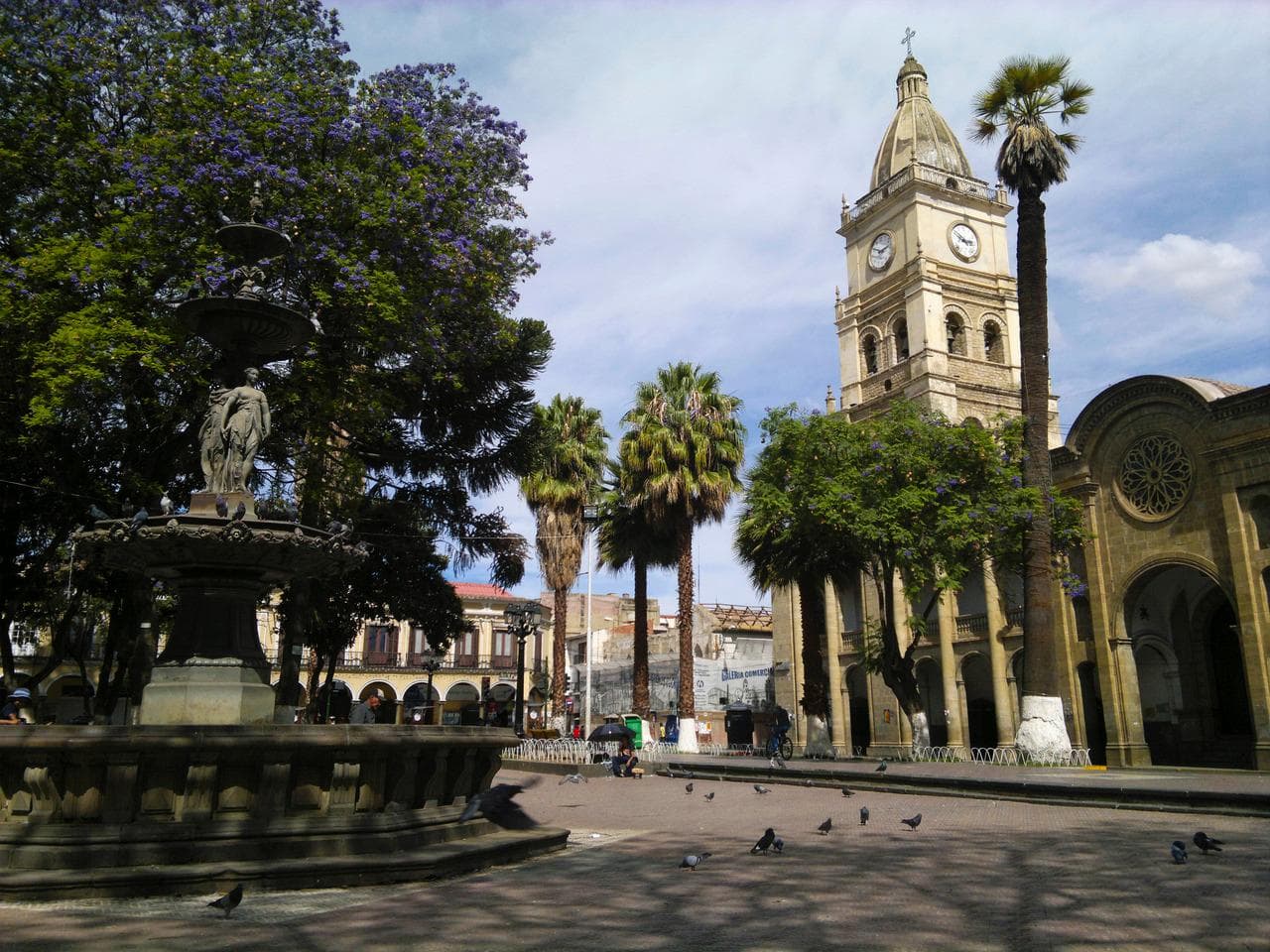
Start your visit at Cochabamba's central square, Plaza 14 de Septiembre, surrounded by colonial buildings and palm trees. The square is the city's social heart, where locals gather and events occur. Visit the Catedral Metropolitana, a neoclassical cathedral completed in 1701 with a striking white facade and ornate interior. You can spend about an hour exploring the square and cathedral, enjoying the morning atmosphere. The best time is morning before it gets crowded.
Plaza 14 de Septiembre and Catedral Metropolitana
Why Visit
This square represents Cochabamba's historical center and colonial past. The cathedral is one of the city's oldest religious buildings, showcasing architectural evolution from Baroque to neoclassical styles. It provides essential context for understanding the city's development and serves as a perfect orientation point.
Visit on a weekday morning for fewer crowds. Look for the monument to Admiral Grau in the square, honoring a Peruvian naval hero, reflecting Bolivia's complex history. Address: Plaza 14 de Septiembre, between Heroínas and Ayacucho streets.
2
Culinary Exploration and Markets
Day 2 of your journey
3
Art, Museums, and Local Neighborhoods
Day 3 of your journey
4
Local Experiences and Relaxation
Day 4 of your journey
Before You Go
Essential Travel Tips
Cochabamba's altitude is 2,558 meters (8,392 feet). Take it easy the first day to acclimatize, drink plenty of water, and avoid heavy meals initially.
Use taxis for transportation; they're affordable and convenient. Always agree on fare before getting in, as most don't use meters. Radio taxis (called by phone) are safest option.
Bolivian currency is the Boliviano (Bs). Credit cards are accepted at hotels and nicer restaurants, but carry cash for markets, street food, and smaller establishments.
Spanish is the main language. Basic phrases are appreciated. In tourist areas, some English is spoken, but learning simple Spanish phrases will greatly enhance your experience.
Cochabamba is generally safe, but take normal precautions: avoid displaying valuables, be cautious in crowded markets, and use registered taxis at night.
Bolivian meal times are later than in many countries: lunch is typically 1-3 PM, dinner 8-10 PM. Many restaurants don't open for dinner until 7 PM.
Tap water is not drinkable. Use bottled water even for brushing teeth. Ice in reputable restaurants is usually safe, but when in doubt, ask for drinks without ice.
Tipping is not mandatory but appreciated. In restaurants, 10% is customary for good service. Small tips for guides and drivers are appropriate.
When to Go
Best Time to Visit
Cochabamba's nickname 'City of Eternal Spring' reflects its generally pleasant climate year-round. The dry season from May to October offers the most comfortable weather with sunny days, cool nights, and minimal rainfall. This is considered the best time to visit. The wet season from November to April brings warmer temperatures and afternoon rains, which can affect outdoor activities but make the valley exceptionally green. Temperatures are moderate throughout the year, typically ranging from 10°C to 25°C (50°F to 77°F). Tourist crowds are manageable year-round, with slightly more visitors during the dry season.
Local Insights & Tips
Cochabamba is known for its friendly, welcoming people who take pride in their city's culinary traditions and pleasant climate. The city has mix of indigenous Quechua culture and Spanish colonial influences visible in language, food, and customs. Locals appreciate visitors who show interest in Bolivian culture beyond typical tourist sites. Meal times are social occasions, with lunch being the main meal of the day. The pace of life is generally relaxed compared to La Paz. Cochabambinos are particularly proud of their food, often claiming it's Bolivia's best. When visiting markets or smaller establishments, polite greetings in Spanish are appreciated. The city has strong sense of regional identity distinct from other Bolivian cities.