4 DaysBrazilprovince
Acre
Your 4-day travel guide
Acre has a tropical monsoon climate with distinct wet and dry seasons. The dry season from May to September offers the m...
Acre•4D•All
Acre, Brazil
Duration:4 Days
Activities:12
Best for:All travelers
Amazonian Flavors and Frontier Spirit
Acre, Brazil's westernmost state, offers a unique blend of Amazonian culture, frontier history, and indigenous heritage. This remote region, accessible via the BR-364 highway, provides an authentic Brazilian experience far from the typical tourist trails. As a state carved from rubber boom wealth and indigenous territories, Acre features a mix of urban centers like Rio Branco and smaller towns preserving traditional ways of life. The cuisine reflects Amazonian ingredients, while cultural sites tell stories of migration and resistance. For couples seeking cultural immersion and culinary discovery, Acre presents a genuine adventure into Brazil's least-visited frontier.
Get Real Local Advice
Ask someone who actually lives in Acre
1
Urban Culture and History
Day 1 of your journey
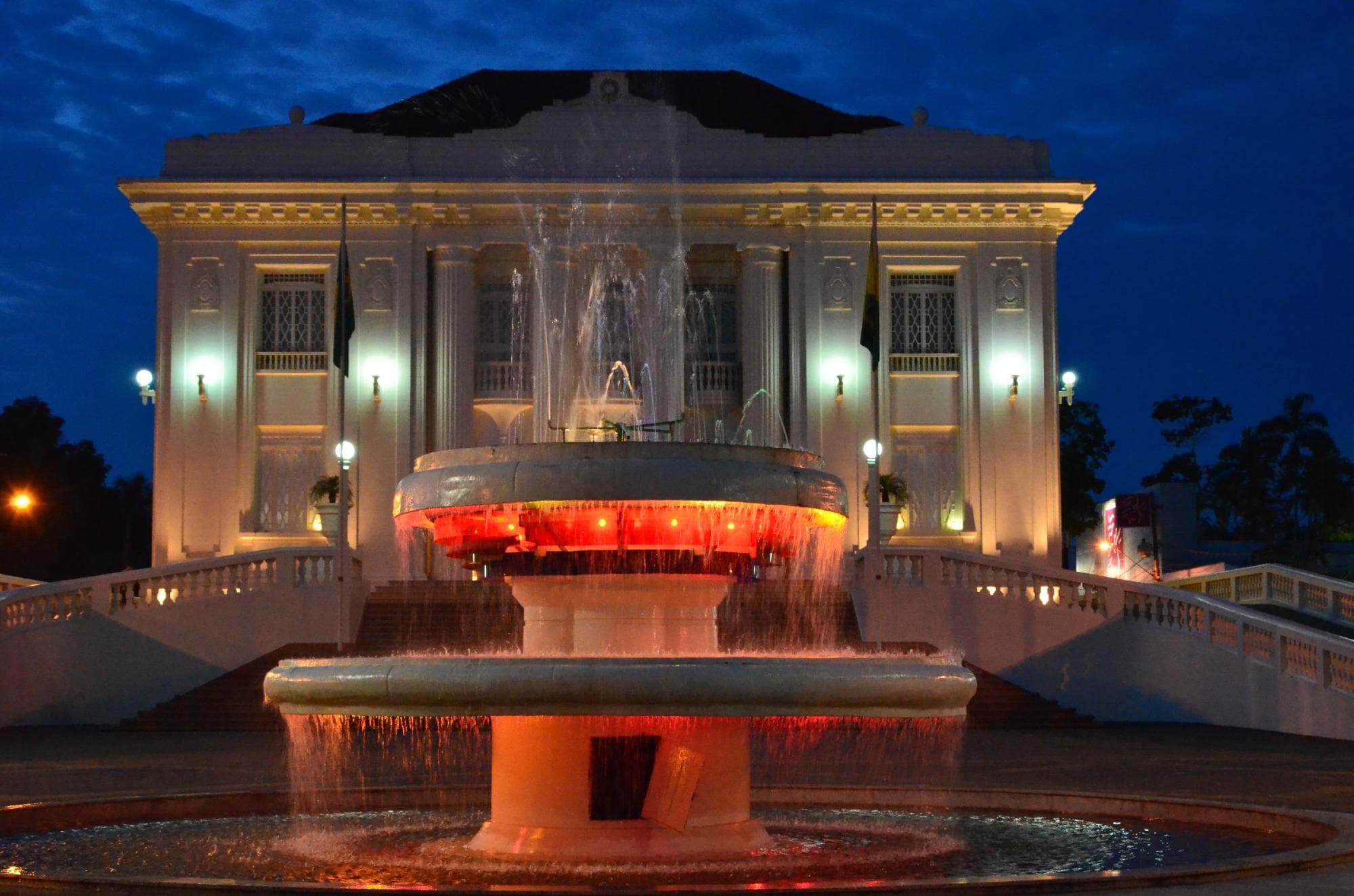
This museum documents Acre's unique history as a territory that became part of Brazil through diplomatic negotiations and local movements. The memorial features exhibits on the Acrean Revolution, rubber boom era, and indigenous cultures. Visitors can see historical documents, photographs, and artifacts in a well-organized space. Plan for about 90 minutes to appreciate the displays that explain how Acre transitioned from Bolivian territory to Brazilian statehood through the Treaty of Petrópolis in 1903.
Memorial dos Autonomistas
Why Visit
The Memorial dos Autonomistas provides essential context for understanding Acre's distinct identity within Brazil. As the only Brazilian state acquired through purchase and diplomacy rather than colonization or war, Acre's story is unique. The museum helps visitors appreciate the political and cultural forces that shaped this frontier region, making subsequent experiences in the state more meaningful. For couples interested in history, this establishes a foundation for your entire Acre journey.
Visit early to avoid school groups that sometimes arrive later in the morning. The museum is located at Rua Benjamin Constant, 417 in the Centro neighborhood, just a short walk from the main square.
2
Indigenous Culture and Crafts
Day 2 of your journey
3
Frontier Towns and Local Life
Day 3 of your journey
4
Cultural Synthesis and Departure
Day 4 of your journey
Before You Go
Essential Travel Tips
Acre uses Brazilian Real (BRL). Credit cards are accepted in cities but carry cash for smaller towns.
Portuguese is the official language. Basic phrases are appreciated, though some younger people may understand basic English in tourist areas.
Acre is generally safe, but take normal precautions with valuables in urban areas. Rural areas have low crime rates.
Dress for hot, humid weather with rain possible year-round. Lightweight clothing, rain protection, and insect repellent are essential.
Tap water is not recommended for drinking. Bottled water is widely available.
Acre is in the Amazon time zone (ACT), one hour behind Brasília time.
Electrical outlets are standard Brazilian Type N (220V). Bring adapters if needed.
Mobile coverage exists in cities but can be limited in remote areas. Consider downloading offline maps.
When to Go
Best Time to Visit
Acre has a tropical monsoon climate with distinct wet and dry seasons. The dry season from May to September offers the most comfortable travel conditions with less rainfall, lower humidity, and more reliable road access. This period coincides with winter in the Southern Hemisphere, bringing slightly cooler temperatures (though still warm) and clearer skies. The wet season from October to April features daily rains, higher humidity, and potential transportation disruptions on unpaved roads, though the landscape is lush. Cultural events occur throughout the year, with no major seasonal closures of attractions.
Local Insights & Tips
Acre's culture blends Amazonian indigenous traditions, rubber tapper heritage, and Brazilian frontier spirit. The state has Brazil's highest percentage of indigenous population, with diverse ethnic groups maintaining distinct languages and customs. Respect for traditional knowledge and land rights is important when visiting indigenous areas or discussing environmental topics. Social interactions are generally informal and friendly, with pace of life slower than in southern Brazil. Meal times follow typical Brazilian patterns with lunch around noon-2pm and dinner after 7pm. Tipping is not mandatory but appreciated for good service. The state's remote location fosters strong community connections and pride in regional identity distinct from more populated Brazilian regions.