4 DaysBurmaprovince
Kachin State
Your 4-day travel guide
The ideal time to visit Kachin State is during the cool, dry season from November to February when temperatures are comf...
Kachin State•4D•All
Kachin State, Burma
Duration:4 Days
Activities:12
Best for:All travelers
Northern Myanmar's Cultural Crossroads and Culinary Treasures
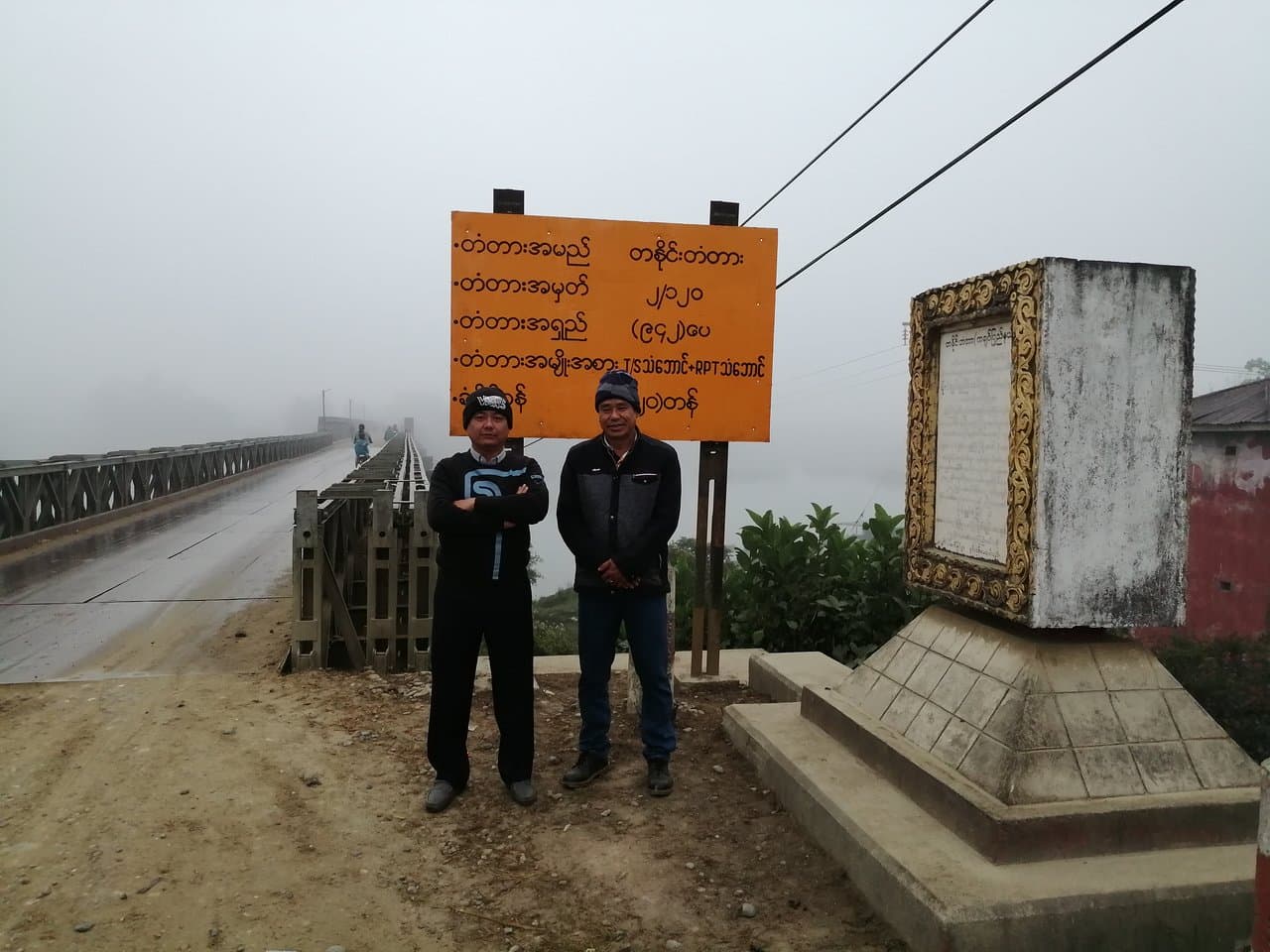
Kachin State in northern Myanmar offers a journey through diverse cultures, dramatic landscapes, and unique culinary traditions. As Myanmar's northernmost state, it borders China and India, creating a fascinating mix of Kachin, Shan, Burmese, and Chinese influences. The region is known for its jade mines, Christian communities in a predominantly Buddhist country, and the mighty Irrawaddy River's origins. This itinerary explores cultural sites, local markets, and authentic food experiences across Myitkyina, the capital, and surrounding towns, providing couples with a balanced pace of discovery and relaxation in a less-traveled part of Myanmar.
Get Real Local Advice
Ask someone who actually lives in Kachin State
1
Capital Introduction and River Culture
Day 1 of your journey
Start your day at Myitkyina's main market, a lively hub where locals shop for fresh produce, textiles, and household goods. You'll see a variety of Kachin traditional clothing, local vegetables, and regional specialties. The market operates daily, with mornings being the most active time. Plan to spend about 1-2 hours wandering through the different sections, observing daily life and perhaps trying some seasonal fruits. It's an authentic introduction to local commerce and food culture in Kachin State.
Myitkyina Central Market
Why Visit
This market provides genuine insight into daily life in northern Myanmar and showcases the region's agricultural products. You'll see ingredients used in Kachin cuisine and can observe the mix of ethnic groups that characterize the state. For couples interested in culture and food, it's an ideal first stop to understand the local context before visiting more formal attractions.
Visit early when the market is most vibrant. Be respectful when taking photos, and consider trying some of the local tea sold by vendors. The market is located near the city center, easily accessible by foot or short taxi ride.
2
Confluence Point and Traditional Villages
Day 2 of your journey
3
Mogaung Jade Market and Colonial History
Day 3 of your journey
4
Bhamo Riverside Culture and Return Journey
Day 4 of your journey
Before You Go
Essential Travel Tips
Kachin State requires special travel permits for foreigners beyond main towns; arrange these in advance through registered travel agencies in Yangon or Mandalay.
Myanmar kyat is the local currency; carry sufficient cash as ATMs are limited in Kachin State and credit cards are rarely accepted outside major hotels.
Basic Burmese phrases are helpful; in Kachin areas, local languages predominate but many people understand some Burmese.
Dress modestly, especially when visiting religious sites or rural communities; shoulders and knees should be covered.
Internet and mobile connectivity can be unreliable outside Myitkyina; download offline maps and inform contacts of limited availability.
Travel insurance covering remote areas is recommended due to limited medical facilities outside the capital.
Photography restrictions may apply near military installations or sensitive areas; always ask permission before photographing people.
Drinking water should be bottled or purified; avoid tap water and ice in drinks unless from reliable sources.
When to Go
Best Time to Visit
The ideal time to visit Kachin State is during the cool, dry season from November to February when temperatures are comfortable (15-25°C) and rainfall is minimal. This period offers the best conditions for travel and outdoor activities. March to May brings increasing heat before the monsoon season from June to October, when heavy rains can make some roads difficult and limit outdoor exploration. The winter months also coincide with several local festivals, though travel permits and accommodations should be arranged well in advance during peak periods.
Local Insights & Tips
Kachin State has a distinct cultural identity within Myanmar, with Christianity being the majority religion in contrast to the country's overall Buddhist majority. Traditional Kachin customs, including animist practices, coexist with modern influences. The region's jade mining industry significantly impacts local economy and social dynamics. Respect for elders and community values are important in Kachin society. When visiting villages or homes, removing shoes is customary. Food culture emphasizes fresh ingredients, fermentation techniques, and communal eating. The mix of Kachin, Shan, Burmese, and Chinese influences creates unique cultural expressions in architecture, clothing, and daily life. Political sensitivity exists regarding certain topics; focusing on cultural exchange rather than political discussion is advisable.