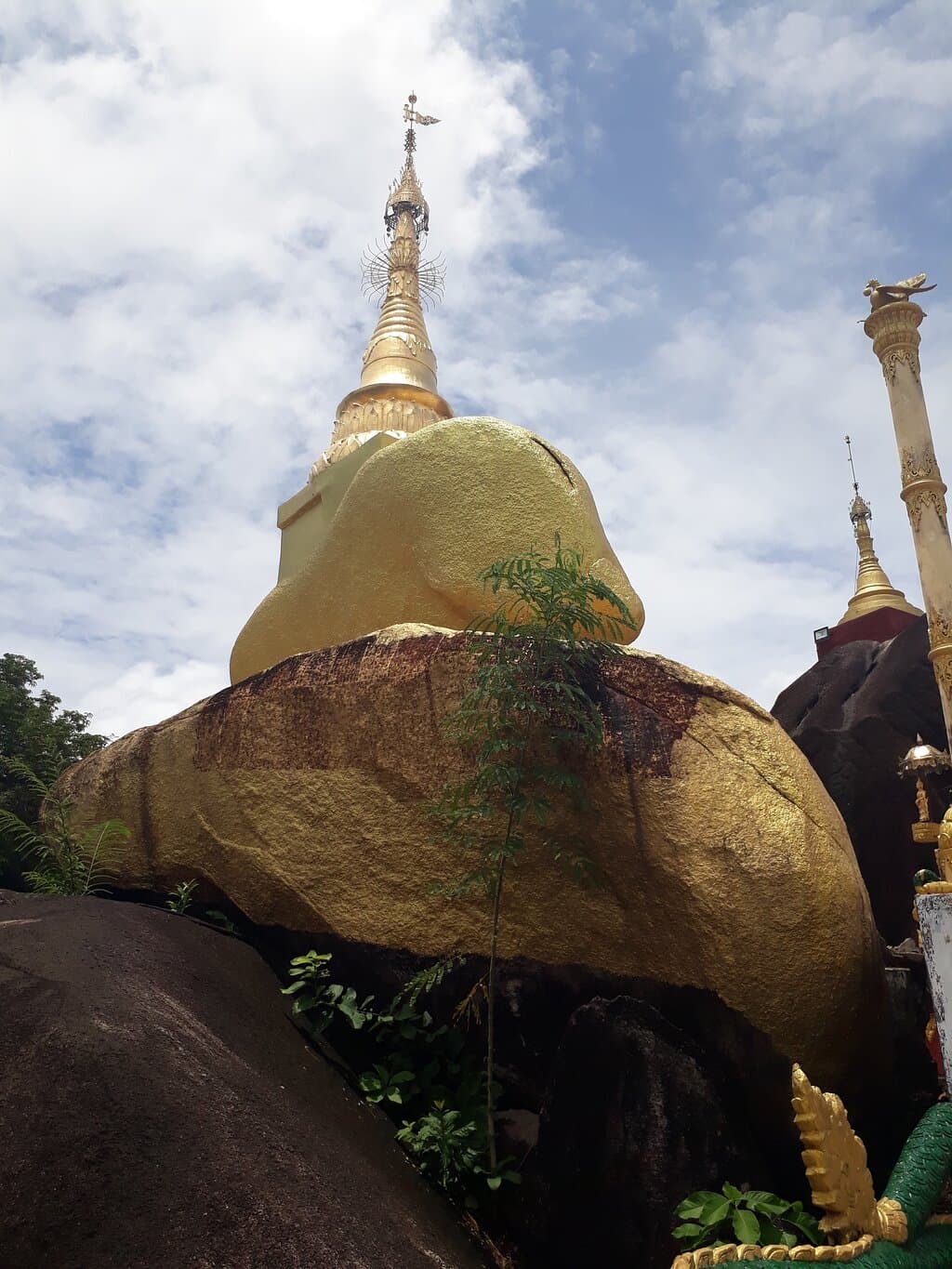
4 DaysBurmaprovince
Mon State
Your 4-day travel guide
The ideal time to visit Mon State is during the cool, dry season from November to February, when temperatures are pleasa...
Mon State•4D•All
Mon State, Burma
Duration:4 Days
Activities:12
Best for:All travelers
Golden Temples and River Flavors of Mon State
Mon State in southeastern Myanmar offers a rich cultural journey through ancient kingdoms and living traditions. As the historical homeland of the Mon people, this region preserves distinctive architecture, language, and cuisine that predates much of Myanmar's modern identity. From the colonial-era charm of Mawlamyine to the spiritual significance of Kyaiktiyo Pagoda, visitors experience layers of history while enjoying the gentle pace of life along the Thanlwin River. The state's location between mountains and sea creates diverse landscapes, while its position as a cultural crossroads makes every meal and temple visit a discovery of authentic Mon heritage.
Get Real Local Advice
Ask someone who actually lives in Mon State
1
Colonial Heritage and Riverfront Culture
Day 1 of your journey
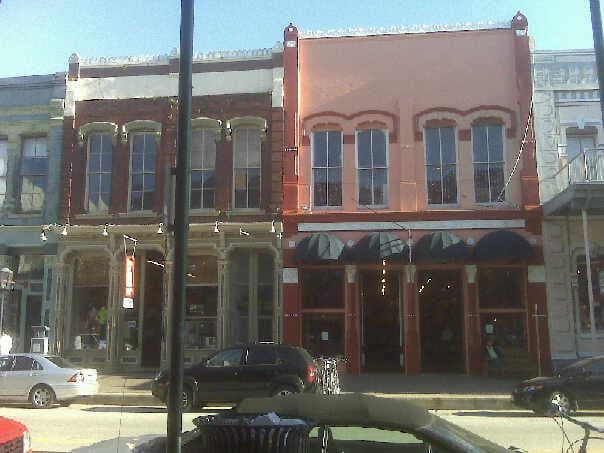
Start your day with a walk along Strand Road, where British colonial architecture from the 19th century still stands. These buildings served as administrative centers when Mawlamyine was the capital of British Burma. You'll see the former courthouse, customs house, and merchant offices with their distinctive arched windows and verandas. The walk takes about two hours at a leisurely pace, best done in the morning before the heat builds up. Look for the subtle Mon architectural influences mixed with European styles.
Strand Road Colonial Buildings
Why Visit
This collection represents one of Myanmar's best-preserved colonial streetscapes, offering tangible history of the British colonial period. The buildings show how European architecture adapted to tropical conditions while maintaining administrative grandeur. For couples, the shaded walkways and river views create a romantic atmosphere of discovery.
Visit the small tea shops along the road for local tea and snacks. The best light for photography is mid-morning when shadows define the architectural details.
2
Spiritual Journey to the Golden Rock
Day 2 of your journey
3
Ancient Capitals and Traditional Villages
Day 3 of your journey
4
River Life and Culinary Exploration
Day 4 of your journey
Before You Go
Essential Travel Tips
Mon State uses the Myanmar kyat (MMK). Carry sufficient cash as credit cards are rarely accepted outside major hotels.
Dress modestly when visiting temples: cover shoulders and knees, and remove shoes before entering pagoda platforms.
English is limited outside tourist areas. Learn basic Burmese phrases or use translation apps.
Transport between cities is mainly by shared taxi or bus. Book through your hotel for reliability.
Drink bottled or purified water. Street food is generally safe if cooked fresh and hot.
Bargain politely at markets but prices at restaurants and temples are usually fixed.
Carry small bills for donations, transportation, and small purchases.
Internet access can be slow. Download offline maps and translation tools in advance.
When to Go
Best Time to Visit
The ideal time to visit Mon State is during the cool, dry season from November to February, when temperatures are pleasant (20-30°C/68-86°F) and rainfall is minimal. This period offers comfortable conditions for temple visits and travel between sites. March to May is hot and dry, with temperatures often exceeding 35°C/95°F, making midday activities challenging. The rainy season from June to October brings heavy monsoon rains, which can make some rural roads difficult and limit visibility at viewpoints. However, the landscape is lush and green during this period, with fewer tourists.
Local Insights & Tips
Mon State maintains strong cultural identity distinct from mainstream Burmese culture. The Mon people have their own language, script, and traditions that predate much of Myanmar's history. When visiting temples, observe local customs: walk clockwise around pagodas, don't point feet toward Buddha images, and dress conservatively. Mon cuisine features sour and fermented flavors, with ngapi (fermented fish paste) as a common ingredient. Meals often include sticky rice rather than regular rice. The pace of life is generally slower than in Yangon, with emphasis on community and tradition. Respect for elders and religious figures is important in social interactions.