4 DaysCanadaprovince
Saskatchewan
Your 4-day travel guide
The ideal time for this cultural and culinary itinerary is late May through early September. Summer months (June-August)...
Saskatchewan•4D•All
Saskatchewan, Canada
Duration:4 Days
Activities:12
Best for:All travelers
Prairie Culture and Culinary Journeys
Saskatchewan offers a surprising depth of cultural experiences and culinary discoveries across its vast prairie landscapes. This 4-day itinerary takes you through the province's most engaging cities and towns, blending indigenous heritage, Ukrainian influences, and contemporary Canadian culture with exceptional local food. You'll explore museums that tell the story of the prairies, taste authentic regional cuisine, and experience the warm hospitality that defines this province. As a couple, you'll find romantic moments in art galleries, historic sites, and intimate dining experiences that showcase Saskatchewan's unique character.
Get Real Local Advice
Ask someone who actually lives in Saskatchewan
1
Urban Culture and Indigenous Heritage
Day 1 of your journey
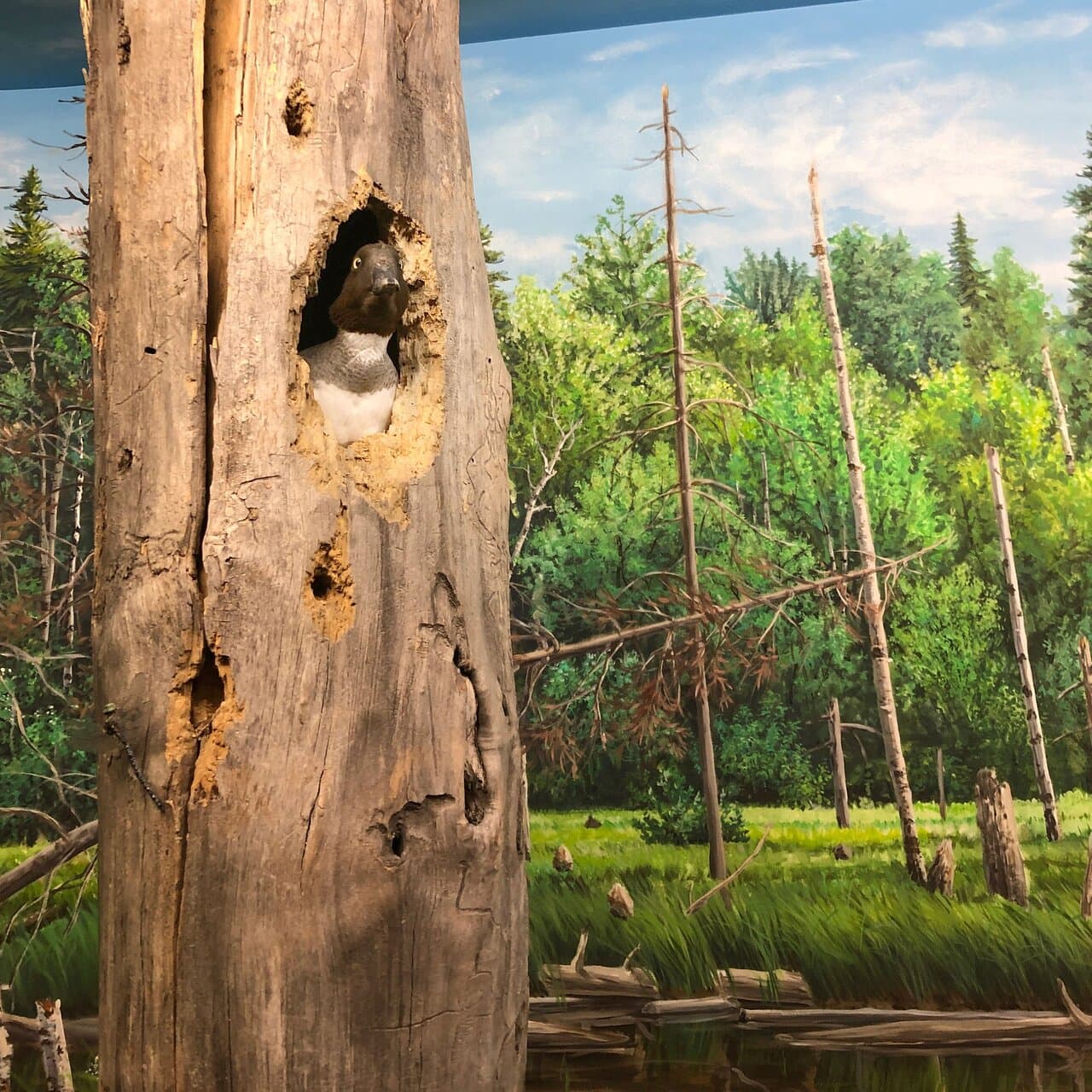
This natural history museum features excellent First Nations galleries showcasing Indigenous cultures, traditions, and art. The First Nations Gallery presents authentic artifacts and contemporary works, while the Earth Sciences Gallery explores Saskatchewan's geological history. Plan for 2-3 hours to appreciate the detailed exhibits. The museum is open daily from 9:30 AM to 5:00 PM, with admission around $13 for adults. It's located in Wascana Centre, making it easy to combine with other attractions in the park.
Royal Saskatchewan Museum
Why Visit
The Royal Saskatchewan Museum provides essential cultural context about the Indigenous peoples who have inhabited these lands for millennia. As a couple interested in culture, you'll gain meaningful understanding of First Nations heritage through authentic artifacts and contemporary art. The museum's approach to presenting both historical and living cultures makes it particularly valuable for understanding Saskatchewan's cultural foundations.
Don't miss the First Nations Gallery on the main floor, which features rotating contemporary Indigenous art exhibitions alongside historical artifacts. Address: 2445 Albert Street, Regina.
2
Ukrainian Heritage and Prairie Culture
Day 2 of your journey
3
Indigenous Art and Small-Town Charm
Day 3 of your journey
4
Agricultural Heritage and Farewell
Day 4 of your journey
Before You Go
Essential Travel Tips
Saskatchewan observes Central Standard Time year-round (no daylight saving time changes)
The provincial sales tax is 6% on most purchases, with some exceptions for basic groceries
Car rental is essential for this itinerary as public transportation between cities is limited
Credit cards are widely accepted, but carry some cash for small businesses and rural areas
Weather can change quickly, so dress in layers even in summer
Book accommodations in advance during summer festivals and agricultural events
Most museums and attractions offer senior and student discounts with valid ID
Tap water is safe to drink throughout Saskatchewan
When to Go
Best Time to Visit
The ideal time for this cultural and culinary itinerary is late May through early September. Summer months (June-August) offer warm temperatures (typically 20-30°C/68-86°F) and long daylight hours, perfect for exploring. This period also coincides with many cultural festivals and events. Early fall (September) provides pleasant weather with fewer crowds and beautiful changing prairie colors. Winter (November-March) can be extremely cold (-20°C/-4°F or colder) with snow, though it offers unique winter cultural events. Spring (April-May) can be muddy with variable temperatures.
Local Insights & Tips
Saskatchewan culture emphasizes community, resilience, and connection to the land. The province has significant Indigenous, Ukrainian, German, and other European cultural influences that shape its identity. Locals are generally friendly and helpful, with a straightforward communication style. When visiting cultural sites, especially those related to Indigenous heritage, approach with respect and openness to learning. Tipping 15-20% is standard in restaurants for good service. Saskatchewan has a strong arts community, with many local artists drawing inspiration from the prairie landscape. The pace of life tends to be more relaxed than in larger Canadian cities, reflecting the province's agricultural roots and spacious geography.