4 DaysChad
N’djamena
Your 4-day travel guide
The best time to visit N'Djamena is during the dry season from November to February, when temperatures are milder and ra...
N’djamena•4D•All
N’djamena, Chad
Duration:4 Days
Activities:12
Best for:All travelers
Chadian Flavors and Cultural Crossroads
N'Djamena, Chad's capital, sits along the Chari River near the Cameroon border. This city presents a mix of cultures with Arab, French, and African influences. As a couple, you'll find a destination where markets buzz with activity, local cuisine tells stories of tradition, and historical sites reveal layers of the past. While not a typical tourist hub, N'Djamena offers authentic experiences for those interested in culture and food. The city's pace allows for meaningful exploration, with riverfront views and neighborhood discoveries creating memorable moments together.
Get Real Local Advice
Ask someone who actually lives in N’djamena
1
Cultural Heritage and Market Immersion
Day 1 of your journey
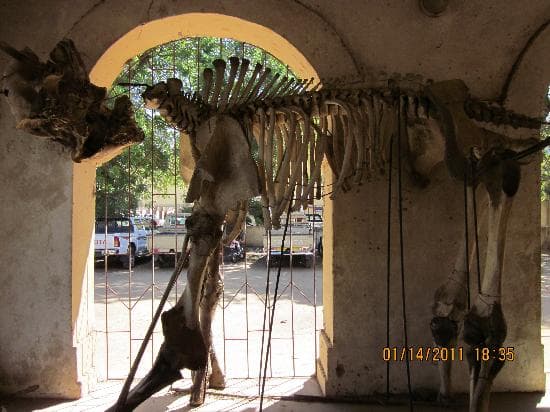
The National Museum of Chad houses archaeological finds, traditional artifacts, and exhibits on Chad's diverse ethnic groups. You'll see pottery, tools, musical instruments, and historical documents that trace the country's past from ancient times to independence. The museum provides context for understanding Chad's cultural landscape. Plan for about 2 hours to view the collections thoroughly. It's best visited in the morning when it's cooler and less crowded.
Musée National N'Djamena
Why Visit
This museum offers the most comprehensive overview of Chad's history and cultural heritage in one location. As a couple interested in culture, it provides essential background that will enrich your entire trip. The exhibits help explain the traditions you'll encounter in markets and neighborhoods throughout your stay.
Address: Avenue Charles de Gaulle. The museum is closed on Sundays and public holidays. Photography may require permission, so ask at the entrance. Bring small change for any donation suggested.
2
Culinary Exploration and Riverfront
Day 2 of your journey
3
Architecture and Neighborhood Discovery
Day 3 of your journey
4
Crafts and Farewell Experiences
Day 4 of your journey
Before You Go
Essential Travel Tips
Currency is the Central African CFA franc (XAF). Credit cards are accepted at some hotels and restaurants, but carry cash for markets and smaller establishments.
French and Arabic are the official languages. Basic French phrases are helpful, though some English is spoken in tourist areas.
Dress modestly, especially when visiting religious sites or conservative neighborhoods. Lightweight, breathable fabrics work best in the heat.
Tap water is not safe to drink. Stick to bottled water, which is widely available.
Transport options include taxis (negotiate fares before riding) and car rentals with drivers for more comfort and flexibility.
Safety requires awareness, especially after dark. Keep valuables secure and avoid displaying expensive items in public.
Electrical outlets are Type C and E (European standard). Voltage is 220V, so bring appropriate adapters if needed.
Respect local customs: ask permission before photographing people, use your right hand for eating and greetings, and be patient with slower service paces.
When to Go
Best Time to Visit
The best time to visit N'Djamena is during the dry season from November to February, when temperatures are milder and rainfall is minimal. Daytime temperatures typically range from 25°C to 35°C (77°F to 95°F), making outdoor exploration more comfortable. The harmattan wind from the Sahara can bring dust haze from December to February, but this period generally offers the most pleasant conditions. March to May becomes increasingly hot before the rainy season from June to October, when high humidity and occasional flooding can disrupt travel plans. Cultural events and festivals are more likely during the dry season as well.
Local Insights & Tips
N'Djamena reflects Chad's ethnic diversity, with Arab, Toubou, Sara, and other groups contributing to the city's character. Islam is the predominant religion, influencing daily rhythms including prayer times and Friday as the main day of worship. Social interactions often begin with extended greetings, and taking time to exchange pleasantries is valued. Meals are important social occasions, with shared dishes common. The city has a more relaxed pace than many capitals, with afternoon breaks during the hottest hours. While conservative in many aspects, N'Djamena has adapted to modern influences while maintaining traditional customs. Understanding that Chad has experienced political instability helps contextualize some infrastructure challenges you may encounter.