4 DaysChina
Chuxiong
Your 4-day travel guide
The best time to visit Chuxiong is during the dry season from November to April when temperatures are mild and rainfall ...
Chuxiong•4D•All
Chuxiong, China
Duration:4 Days
Activities:12
Best for:All travelers
Yi Culture and Yunnan Flavors in Chuxiong
Chuxiong, the capital of Chuxiong Yi Autonomous Prefecture in Yunnan Province, offers a unique gateway to China's Yi ethnic culture. This city serves as a cultural and administrative hub where traditional Yi heritage meets modern development. Visitors will find a compact urban center surrounded by mountains, with cultural sites that provide deep insights into one of China's largest ethnic minority groups. The city's culinary scene reflects both Yi traditions and broader Yunnan cuisine, making it an excellent destination for travelers interested in authentic cultural experiences and distinctive regional flavors without the crowds of more touristy Yunnan destinations.
Get Real Local Advice
Ask someone who actually lives in Chuxiong
1
Cultural Heritage and Yi Traditions
Day 1 of your journey
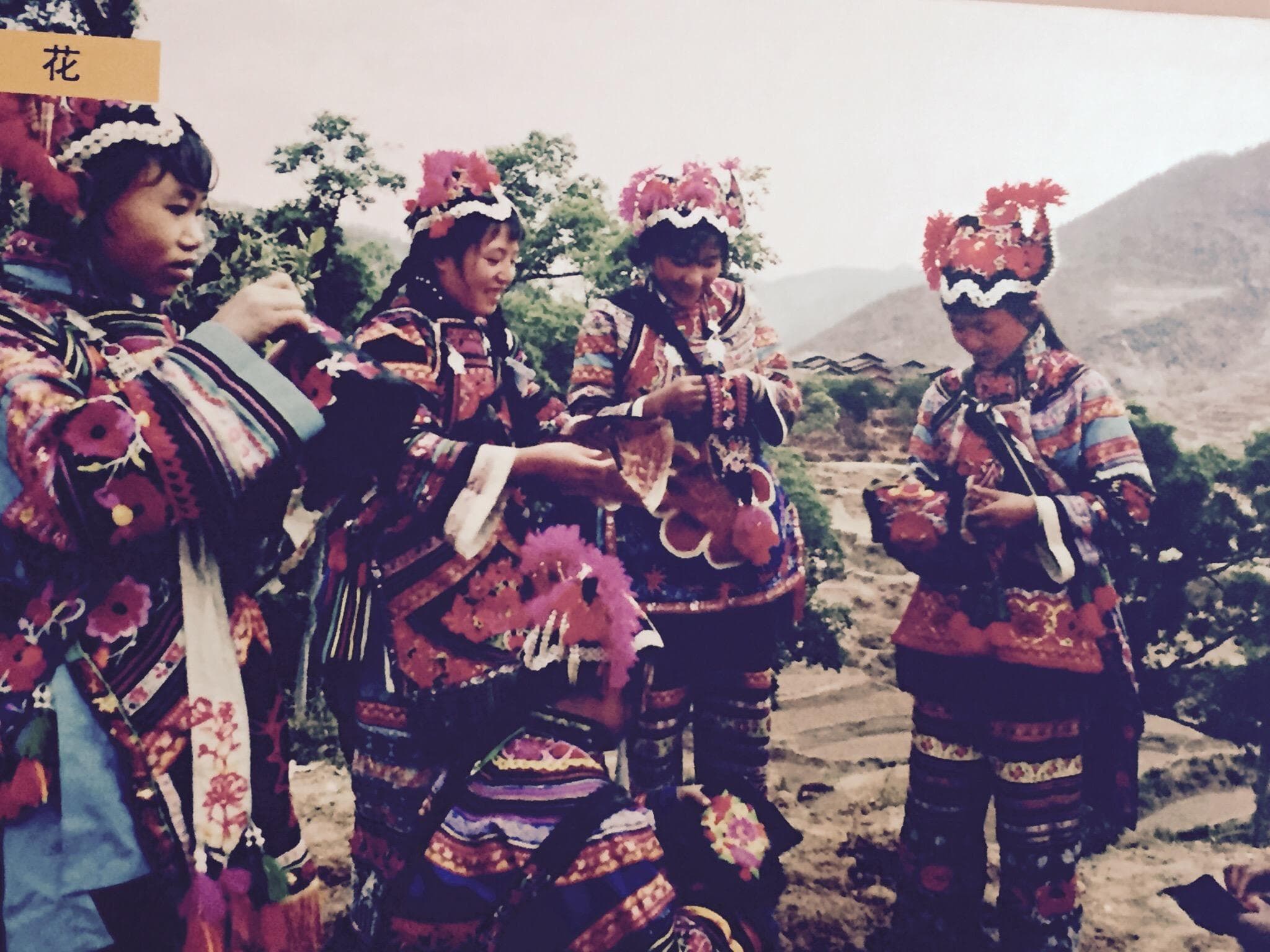
This comprehensive park showcases Yi ethnic culture through architecture, exhibitions, and performances. You'll see traditional Yi houses, learn about their history and customs at the museum, and often catch cultural shows featuring music and dance. The park provides an excellent introduction to Yi traditions in a well-organized setting. Plan to spend 2-3 hours exploring the various sections, with mornings being less crowded. The museum displays traditional costumes, artifacts, and explains Yi festivals and social structure.
Chuxiong Yi Culture Park
Why Visit
This park offers the most accessible and comprehensive introduction to Yi culture in Chuxiong. As the Yi are the predominant ethnic group in the region, understanding their traditions enhances your entire visit. The combination of museum exhibits, architectural examples, and potential live performances creates an immersive cultural experience that's perfect for couples interested in learning together.
Check the performance schedule at the entrance, as traditional dance shows typically happen at specific times. Address: Near the intersection of Lunan Avenue and Ziwu Road in downtown Chuxiong.
2
Temples and Local Markets
Day 2 of your journey
3
Culinary Exploration and Handicrafts
Day 3 of your journey
4
Local Neighborhoods and Farewell Dinner
Day 4 of your journey
Before You Go
Essential Travel Tips
Chuxiong has a bus system, but taxis are inexpensive and convenient for getting around the city center. Most attractions are within short taxi rides of each other.
While some younger people speak basic English, having a translation app will be helpful for menus and signs. Learning a few Mandarin phrases is appreciated.
Cash is still widely used, especially at markets and smaller establishments. Have some Chinese yuan on hand, though larger restaurants and hotels accept mobile payments.
Chuxiong is generally safe, but take normal precautions with valuables in crowded areas like markets.
The altitude is around 1,800 meters, so sun protection is important even on cloudy days. The sun can be intense at this elevation.
When visiting temples or cultural sites, dress modestly. Shoulders and knees should be covered as a sign of respect.
Tap water is not drinkable. Use bottled water, which is widely available and inexpensive.
Chuxiong has distinct wet and dry seasons. The dry season (November-April) has more comfortable temperatures for sightseeing.
When to Go
Best Time to Visit
The best time to visit Chuxiong is during the dry season from November to April when temperatures are mild and rainfall is minimal. Daytime temperatures typically range from 15-25°C (59-77°F) during these months, making outdoor exploration comfortable. The summer months from May to October constitute the wet season, with frequent rainfall and higher humidity. While still visitable, the rain can disrupt outdoor activities. Spring (March-May) offers pleasant weather with blooming flowers, while autumn (September-November) provides clear skies and comfortable temperatures. Winter months are cooler but still manageable for sightseeing, with fewer tourists.
Local Insights & Tips
Chuxiong serves as the capital of Chuxiong Yi Autonomous Prefecture, where the Yi ethnic group constitutes about 25% of the population. Yi culture strongly influences local customs, festivals, and daily life. The Torch Festival in late June or early July is the most important Yi celebration, featuring torch lighting, traditional dances, and bullfighting. When interacting with Yi community members, be respectful of their traditions—some older Yi may prefer not to be photographed. The local pace is slower than in larger Chinese cities, with afternoon rest periods still observed by some businesses. Food reflects both Yi traditions and broader Yunnan cuisine, with emphasis on fresh ingredients, mushrooms, and moderate use of spices rather than extreme heat.