4 DaysChina
Daye
Your 4-day travel guide
The optimal time to visit Daye is during spring (April to May) or autumn (September to October) when temperatures are mi...
Daye•4D•All
Daye, China
Duration:4 Days
Activities:12
Best for:All travelers
Ancient Mines and Modern Flavors
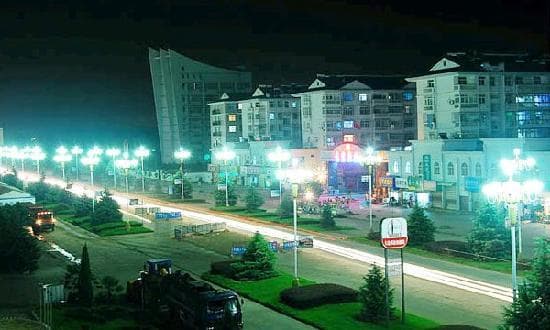
Daye, located in Hubei Province, China, offers a unique blend of industrial heritage and cultural depth. Known historically for its copper mining dating back over 3,000 years, this city presents a compelling destination for travelers interested in China's industrial history and authentic regional cuisine. While not a major tourist hub, Daye provides genuine local experiences with ancient mining sites, traditional temples, and distinctive Hubei food. The city's character reflects its mining past while embracing modern development, making it an intriguing off-the-beaten-path destination for couples seeking cultural immersion and culinary discovery.
Get Real Local Advice
Ask someone who actually lives in Daye
1
Mining Heritage and Ancient History
Day 1 of your journey
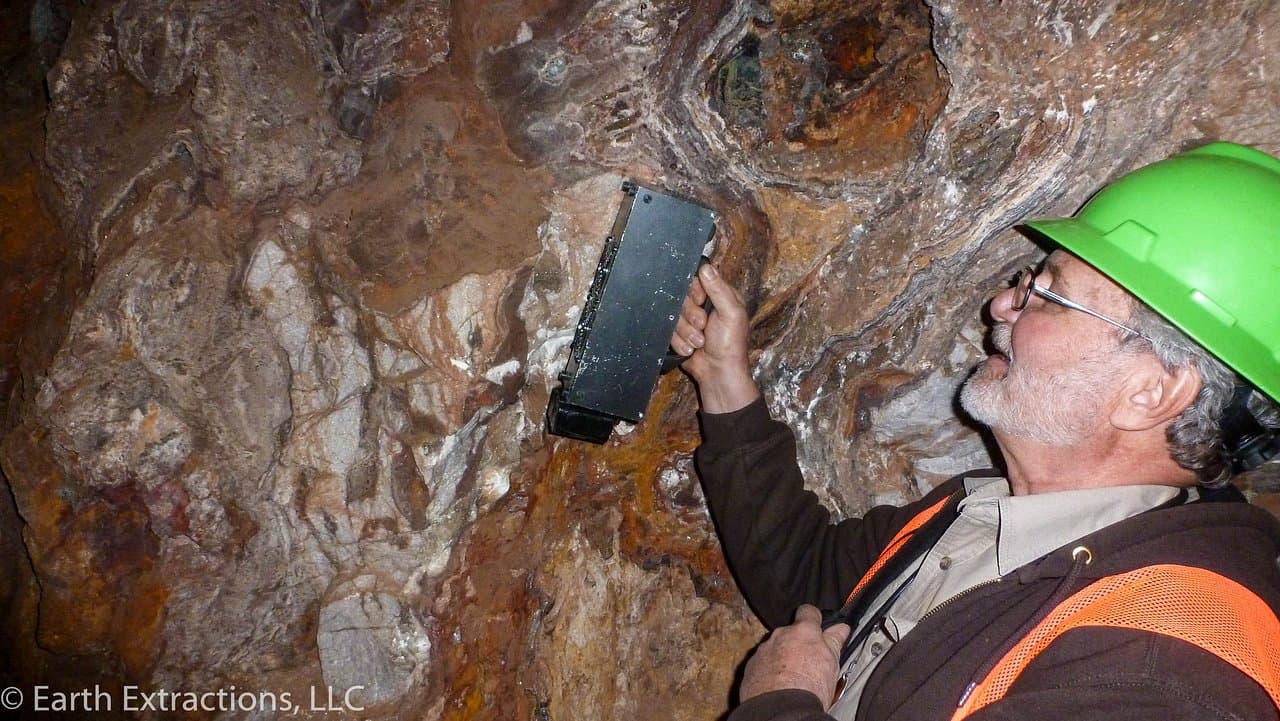
This UNESCO World Heritage site showcases China's oldest copper mining operations, with archaeological evidence dating to the Shang Dynasty around 1600 BCE. Visitors can see ancient mining shafts, smelting remains, and artifacts that demonstrate early metallurgical techniques. The site includes a museum with excavated tools and explanations of the mining process. Plan for 2-3 hours to explore both the outdoor archaeological area and indoor exhibits. Morning visits are recommended to avoid afternoon heat during warmer months.
Tonglushan Ancient Copper Mine Site
Why Visit
Tonglushan represents one of China's most significant archaeological sites for understanding early industrial development. As the world's oldest continuously operated copper mine, it offers unique insights into ancient Chinese technology and economy. The well-preserved mining infrastructure provides a tangible connection to China's Bronze Age civilization, making it essential for cultural travelers interested in industrial history and archaeology.
Address: Tonglushan Town, Daye City. Wear comfortable walking shoes as the site involves uneven terrain. The museum provides good English explanations, but consider downloading a translation app for detailed understanding of technical displays.
2
Cultural Sites and Local Cuisine
Day 2 of your journey
3
Regional Exploration and Scenic Views
Day 3 of your journey
4
Contemporary Culture and Departure
Day 4 of your journey
Before You Go
Essential Travel Tips
Daye uses Mandarin Chinese primarily - learn basic phrases or use translation apps
Public transportation includes buses within the city; taxis are available but not abundant
Currency is Chinese Yuan (RMB); credit cards accepted in larger establishments but carry cash for markets
Weather varies seasonally - check forecasts and pack accordingly
Respect local customs at religious sites by dressing modestly
Daye is generally safe but take normal urban precautions with valuables
Many restaurants have picture menus which help with ordering
Download offline maps as internet connectivity can vary
When to Go
Best Time to Visit
The optimal time to visit Daye is during spring (April to May) or autumn (September to October) when temperatures are mild and comfortable for exploration. Spring offers pleasant weather with blooming vegetation, particularly at Yangye Lake. Autumn provides clear skies and comfortable temperatures ideal for outdoor activities. Summer (June to August) can be hot and humid, though early mornings and evenings remain manageable. Winter (December to February) is cold with occasional precipitation, though indoor attractions remain accessible. Consider that major Chinese holidays may bring increased domestic travel.
Local Insights & Tips
Daye's culture is deeply connected to its mining history, with local identity shaped by centuries of copper extraction. Residents take pride in this industrial heritage while embracing modern development. Social interactions tend to be straightforward and practical. Dining culture emphasizes shared meals and regional specialties, with particular importance placed on freshwater fish dishes and noodle preparations. When visiting temples or traditional sites, modest dress and respectful behavior are appreciated. Daye operates at a slower pace than major Chinese cities, allowing for more relaxed exploration. The local dialect has Hubei characteristics but Mandarin is universally understood for communication.