4 DaysChina
Gaoyou
Your 4-day travel guide
The ideal time to visit Gaoyou is during spring (April to May) or autumn (September to October). Spring brings mild temp...
Gaoyou•4D•All
Gaoyou, China
Duration:4 Days
Activities:12
Best for:All travelers
Ancient Canals and Duck Delicacies
Gaoyou, a historic city in Jiangsu province, offers a rich blend of cultural heritage and culinary traditions. Known as the 'Hometown of Duck Eggs,' it sits along the Grand Canal, with a history dating back over 2,000 years. This itinerary explores ancient waterways, traditional architecture, and local food specialties, providing an authentic experience of a lesser-known Chinese city. Perfect for couples seeking cultural immersion and gastronomic adventures, Gaoyou combines relaxed exploration with deep historical connections.
Get Real Local Advice
Ask someone who actually lives in Gaoyou
1
Cultural Heritage and Grand Canal
Day 1 of your journey
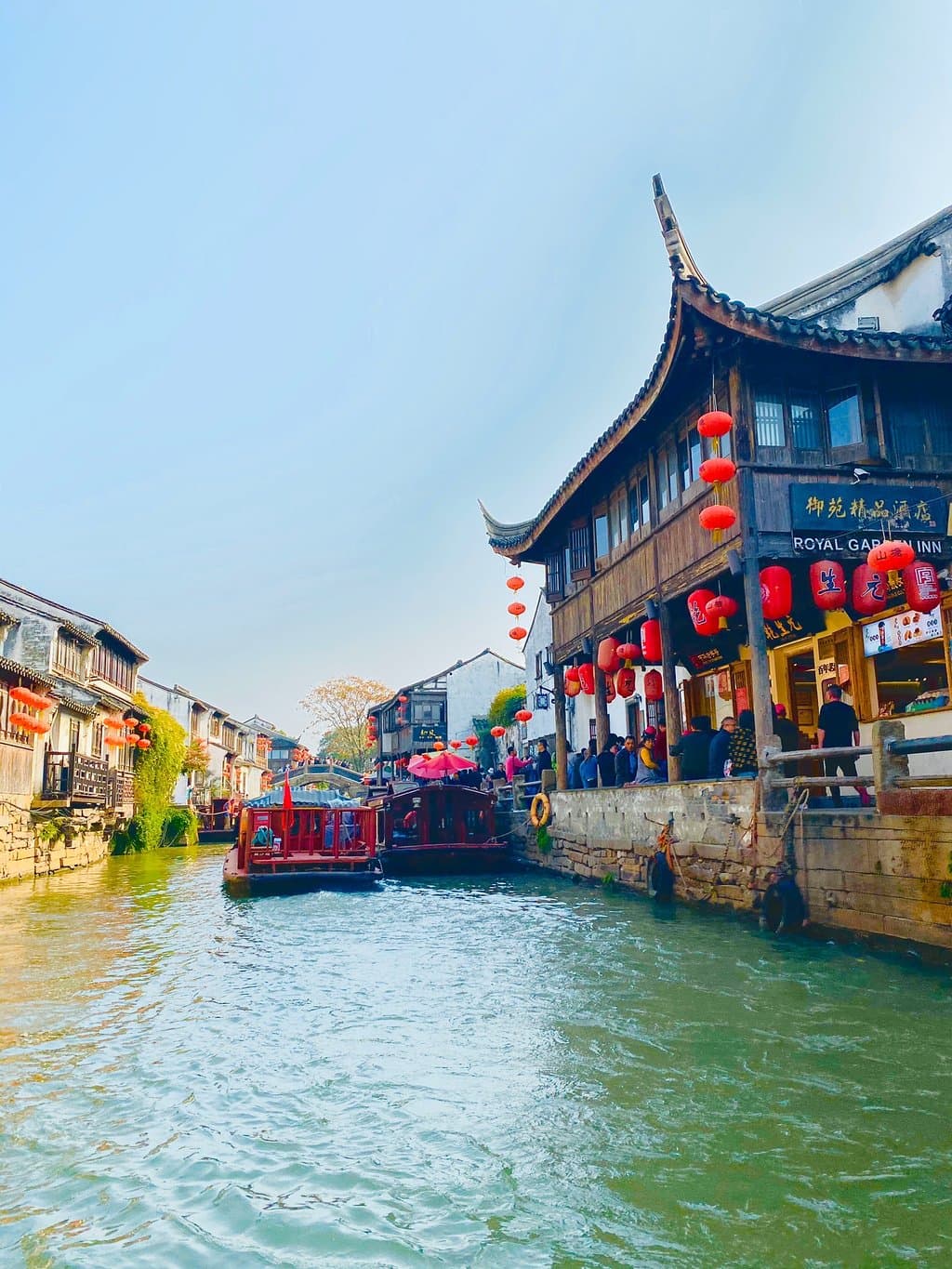
Start your journey along the UNESCO World Heritage Grand Canal, where Gaoyou has been an important port since the Sui Dynasty. Walk along the well-preserved stone embankments, watch traditional boats pass by, and see historic markers explaining the canal's significance in Chinese history. The morning light creates beautiful reflections on the water, and the area is peaceful with few tourists. Allow about 2 hours to walk the most scenic sections and take photographs.
Gaoyou Grand Canal Ancient Waterway
Why Visit
This is one of the best-preserved sections of the Grand Canal in Jiangsu province, offering direct connection to China's imperial history and water transport heritage. The engineering achievements and historical importance make it a must-see for understanding regional development. For couples, the quiet morning atmosphere provides romantic photo opportunities along the ancient waterway.
Visit early to avoid the midday heat and crowds. The section near Wenyou Tower offers the best views and historical markers. Address: Along the Grand Canal in central Gaoyou.
2
Temples and Local Crafts
Day 2 of your journey
3
Museums and Local Markets
Day 3 of your journey
4
Gardens and Farewell Feast
Day 4 of your journey
Before You Go
Essential Travel Tips
Gaoyou uses Mandarin Chinese; basic phrases like 'nihao' (hello) and 'xiexie' (thank you) are appreciated
Public transportation includes buses and taxis; most attractions are within walking distance in the central area
Currency is Chinese Yuan (CNY); credit cards accepted at hotels and larger restaurants, but carry cash for markets and small shops
Weather can be humid; spring (April-May) and autumn (September-October) offer the most comfortable temperatures
Tap water is not drinkable; purchase bottled water or use boiled water provided by hotels
Internet access requires VPN for many international websites; download maps and translation apps beforehand
Bargaining is expected at markets but not in established shops or restaurants
Duck eggs purchased as souvenirs must be commercially packaged for transport out of China
When to Go
Best Time to Visit
The ideal time to visit Gaoyou is during spring (April to May) or autumn (September to October). Spring brings mild temperatures (15-25°C), blooming flowers, and comfortable conditions for walking along the canal. Autumn offers similar pleasant weather with clearer skies and harvest-related food events. Summer (June to August) can be hot and humid, though it's when some local festivals occur. Winter (December to February) is cold with occasional rain, but fewer tourists. Major Chinese holidays like Golden Week (early October) bring domestic tourists, so book accommodations early during those periods.
Local Insights & Tips
Gaoyou maintains traditional customs connected to its Grand Canal history and duck farming heritage. Locals take pride in their salted duck eggs, often giving them as gifts during festivals. The community is generally reserved but friendly to respectful visitors. When visiting temples or historical sites, modest dress is appreciated. Mealtimes follow typical Chinese patterns with lunch around 12:00-13:00 and dinner 18:00-19:30. Tea culture is important, with many social interactions occurring in teahouses. The pace of life is slower than in major cities, reflecting Gaoyou's historical role as a canal town rather than commercial center. Understanding the city's relationship with the Grand Canal helps appreciate both its past importance and current character.