4 DaysChina
Guixi
Your 4-day travel guide
The best time to visit Guixi is during spring (March to May) and autumn (September to November). Spring brings mild temp...
Guixi•4D•All
Guixi, China
Duration:4 Days
Activities:12
Best for:All travelers
Ancient Temples and Jiangxi Flavors
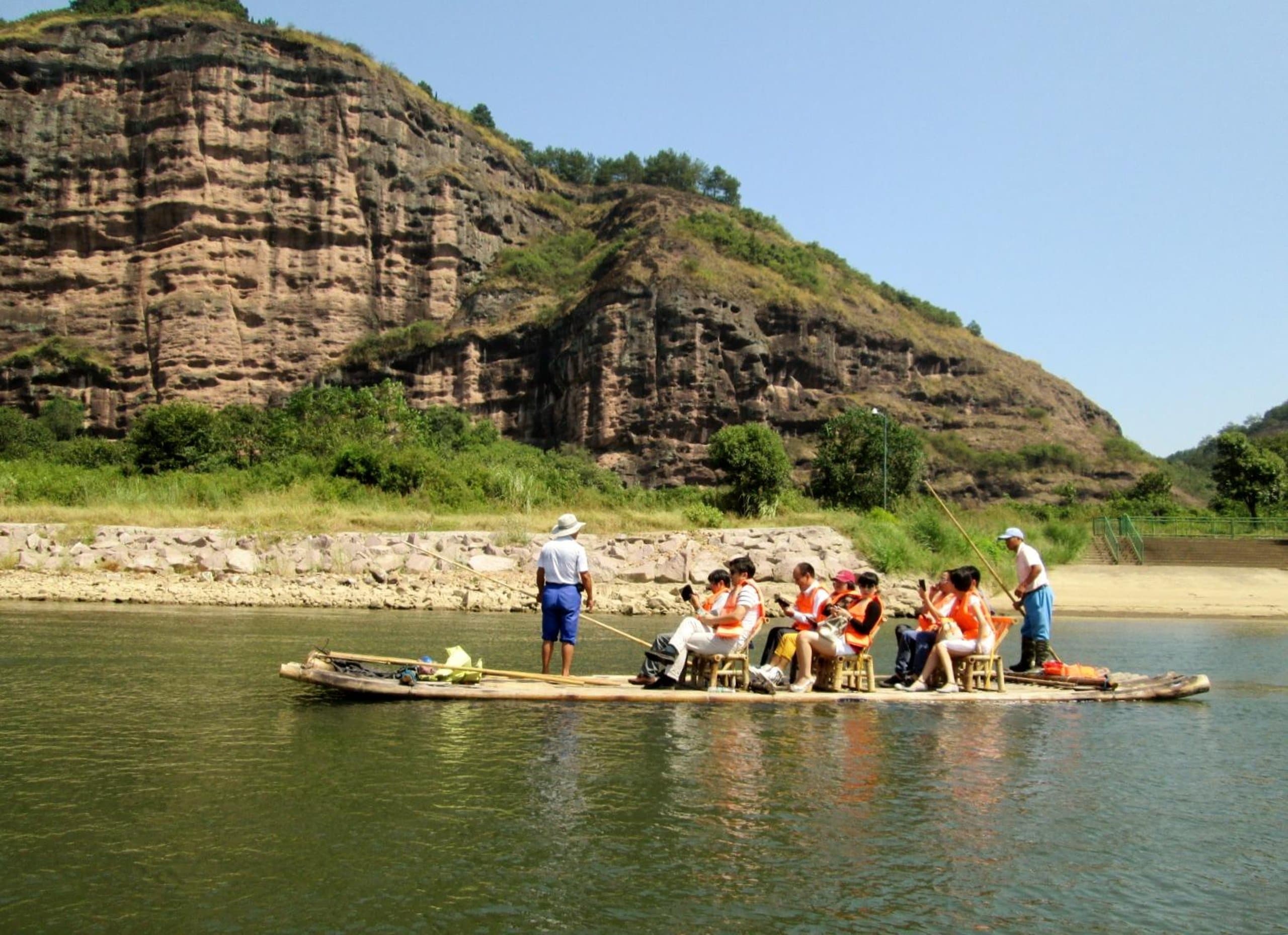
Guixi, a county-level city in Jiangxi Province, offers a genuine glimpse into traditional Chinese culture away from major tourist crowds. Located along the Xin River, it serves as a gateway to the nearby Longhu Mountain, a significant Taoist site. The city itself maintains a relaxed pace with historic temples, local markets, and authentic Jiangxi cuisine. For couples interested in culture and food, Guixi provides opportunities to explore ancient religious sites, taste regional dishes like spicy fish stews, and experience daily life in a smaller Chinese city. Its compact size makes it easy to navigate over a few days.
Get Real Local Advice
Ask someone who actually lives in Guixi
1
Cultural Heritage and Local Arrival
Day 1 of your journey
The Guixi Confucian Temple is a well-preserved historical site dedicated to Confucius, reflecting traditional Chinese architecture and scholarly culture. Visitors can explore the main hall, courtyards, and stone tablets with classical inscriptions. It offers a quiet atmosphere for appreciating ancient educational traditions. A typical visit takes about 1-2 hours, and it's best visited in the afternoon when the light highlights the wooden structures. This activity aligns with the culture theme by immersing travelers in local history and philosophy.
Guixi Confucian Temple
Why Visit
This temple provides insight into Confucian values that have shaped Chinese society for centuries. Its architectural details and serene environment make it a meaningful stop for understanding regional heritage. For couples, it offers a peaceful setting to explore together, away from busier urban attractions.
Look for the ancient cypress trees in the courtyard, which are hundreds of years old. The temple is often quiet on weekdays. Address: Near the city center, accessible by local taxi.
2
Taoist Culture and Riverside Strolls
Day 2 of your journey
3
Culinary Exploration and Market Visits
Day 3 of your journey
4
Local Neighborhoods and Departure
Day 4 of your journey
Before You Go
Essential Travel Tips
Guixi uses the Chinese yuan (CNY). Credit cards are accepted in some hotels and larger restaurants, but carry cash for markets and small eateries.
The primary language is Mandarin Chinese. Learning basic phrases like 'hello' (nǐ hǎo) and 'thank you' (xièxie) is helpful, as English is not widely spoken.
Local transport includes taxis and buses. Taxis are affordable for getting around the city; use ride-hailing apps like Didi if available.
Guixi is generally safe, but take standard precautions with valuables in crowded areas like markets.
Respect cultural etiquette at temples: dress modestly, speak quietly, and avoid touching religious artifacts without permission.
Tap water is not drinkable; buy bottled water or use boiled water provided by accommodations.
Check opening hours for attractions, as some temples may close early or have irregular schedules.
Internet access is available, but consider downloading a translation app and offline maps for convenience.
When to Go
Best Time to Visit
The best time to visit Guixi is during spring (March to May) and autumn (September to November). Spring brings mild temperatures, around 15-25°C (59-77°F), with blooming flowers and comfortable conditions for outdoor activities like hiking to temples. Autumn offers similar pleasant weather, clear skies, and fewer rain showers, ideal for exploring riverside areas and markets. Summers (June to August) can be hot and humid, with temperatures often exceeding 30°C (86°F) and occasional heavy rainfall, which might make outdoor visits less enjoyable. Winters (December to February) are cool, with temperatures dropping to 0-10°C (32-50°F), and while fewer tourists visit, some attractions may be less vibrant. Overall, spring and autumn provide the most balanced experience for cultural and culinary exploration.
Local Insights & Tips
Guixi is part of Jiangxi Province, known for its Taoist heritage and agricultural products like tea and bamboo. Locals value hospitality and may show curiosity toward foreign visitors, though interactions are often reserved. In temples, it's customary to make a small donation or purchase incense as a sign of respect. Food culture emphasizes fresh, seasonal ingredients with bold, spicy flavors; be open to trying dishes like fish stews and pickled vegetables. The pace of life is slower than in major Chinese cities, so allow extra time for services. When dining, sharing dishes family-style is common, and it's polite to try a bit of everything offered. Public displays of affection are generally low-key, in line with broader Chinese norms. Neighborhoods blend older buildings with newer developments, offering a mix of traditional and modern elements.