4 DaysChina
Guli
Your 4-day travel guide
The best time to visit Guli is from April to June and September to October when temperatures are mild (15-25°C/59-77°F) ...
Guli•4D•All
Guli, China
Duration:4 Days
Activities:12
Best for:All travelers
Ancient Silk Road Flavors and Traditions
Guli, known historically as an important stop on the ancient Silk Road, offers travelers a unique blend of Uyghur culture, Islamic architecture, and distinctive Central Asian cuisine. Located in China's Xinjiang region, this city presents a fascinating cultural crossroads where traditional bazaars, historic mosques, and local food markets create an authentic experience. For couples interested in culture and food, Guli provides opportunities to explore centuries-old traditions while sampling some of China's most unique regional dishes. The city's compact layout makes it ideal for a 4-day exploration of its most significant sites and culinary offerings.
Get Real Local Advice
Ask someone who actually lives in Guli
1
Cultural Heritage and Old City Exploration
Day 1 of your journey
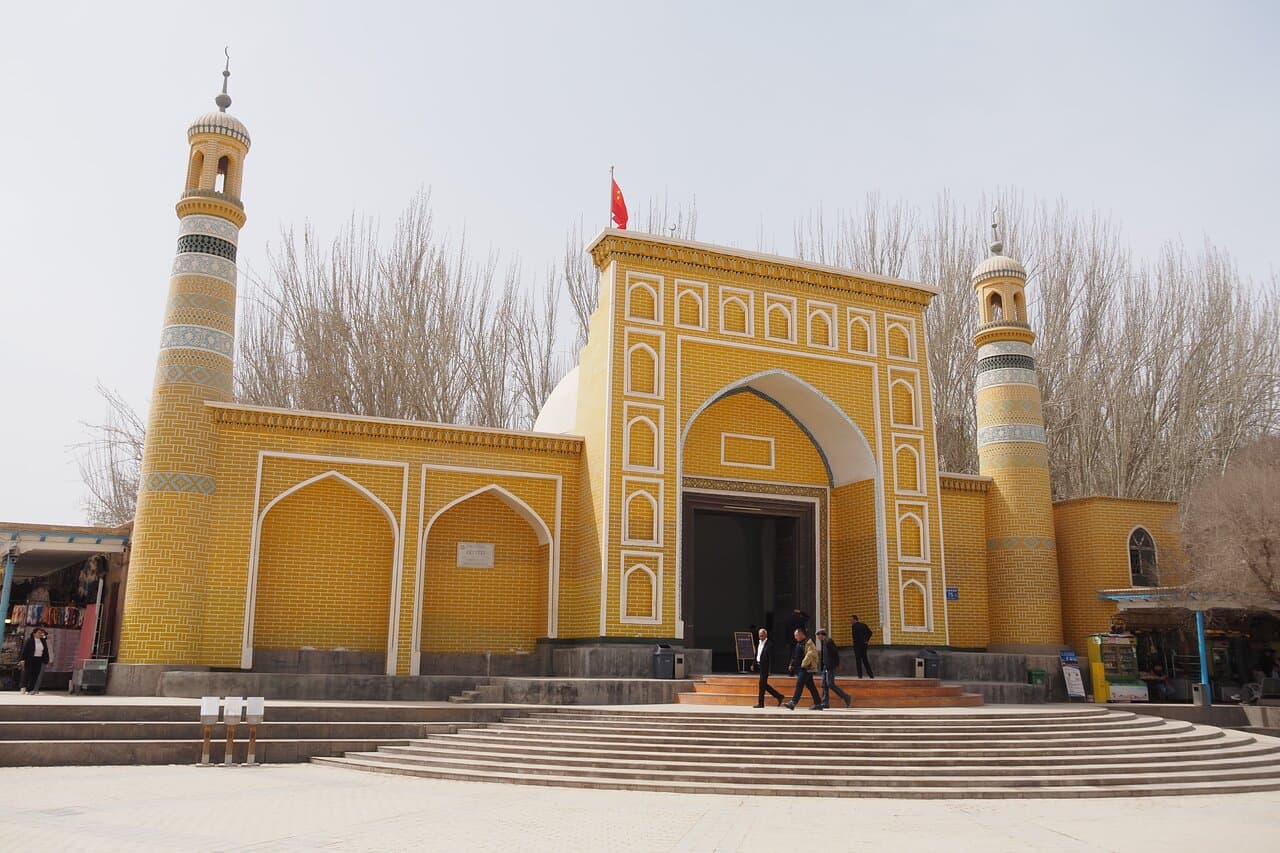
Id Kah Mosque is the largest mosque in China and a central landmark in Guli, dating back to 1442. This Islamic architectural masterpiece features yellow-tiled domes, intricate wood carvings, and a spacious courtyard that can accommodate thousands of worshippers. Visitors can admire the traditional Uyghur design elements and peaceful atmosphere, though non-Muslims cannot enter the prayer halls during services. The mosque is active, so respectful observation of local customs is essential. Morning visits avoid the main prayer times and offer better photo opportunities with softer light.
Id Kah Mosque
Why Visit
As the religious and cultural heart of Guli for centuries, Id Kah Mosque represents the deep Islamic heritage of the Uyghur people. Its historical significance as a Silk Road landmark and stunning architecture make it essential for understanding the region's cultural identity. The surrounding square offers insight into daily life in this traditional community.
Address: Jiefang North Road, Guli. Dress modestly with shoulders and knees covered. Remove shoes before entering any carpeted areas. The best photos are from the square facing the main entrance with the minarets framing the composition.
2
Culinary Discovery and Local Markets
Day 2 of your journey
3
Historical Sites and Cultural Performances
Day 3 of your journey
4
Local Neighborhoods and Farewell Experiences
Day 4 of your journey
Before You Go
Essential Travel Tips
Carry your passport at all times as police checks occur regularly in Xinjiang
Learn basic Mandarin phrases as English is rarely spoken outside tourist hotels
Use Didi (Chinese Uber) or official taxis for transportation within the city
Cash (Chinese Yuan) is essential as many smaller establishments don't accept cards
Dress modestly, especially when visiting religious sites (cover shoulders and knees)
Be aware of photography restrictions around government buildings and military sites
Drink bottled water as tap water is not safe for visitors
Check current travel advisories and register with your embassy when visiting Xinjiang
When to Go
Best Time to Visit
The best time to visit Guli is from April to June and September to October when temperatures are mild (15-25°C/59-77°F) and rainfall is minimal. Spring brings blooming fruit trees and comfortable exploration conditions. Autumn offers clear skies and harvest-related food experiences. July and August can be extremely hot (often above 35°C/95°F), making daytime sightseeing challenging. Winter (November to March) is cold with temperatures often below freezing, though fewer tourists visit during this period. Major festivals like Ramadan affect opening hours and require additional planning.
Local Insights & Tips
Guli's culture centers on Uyghur traditions with strong Islamic influences. The local population is predominantly Muslim, so respect religious customs, especially during prayer times when businesses may close briefly. Friday is the main prayer day, affecting schedules. Hospitality is important in Uyghur culture, with tea offered frequently as a welcoming gesture. Accepting refreshments when offered shows respect. The concept of 'face' (maintaining dignity and avoiding embarrassment) matters in interactions. Direct criticism or confrontation should be avoided. While Mandarin is the official language, Uyghur is widely spoken in homes and markets. Learning a few Uyghur greetings (like 'yahshimusiz' for hello) creates positive connections. The city has experienced significant changes in recent years, with traditional and modern elements existing side by side.