
4 DaysChina
Jianshe
Your 4-day travel guide
The best time to visit Jianshe is during spring (April to May) and autumn (September to October) when temperatures are m...
Jianshe•4D•All
Jianshe, China
Duration:4 Days
Activities:12
Best for:All travelers
Industrial Heritage and Culinary Traditions
Jianshe is a city in Hubei province, China, known for its significant role in China's industrial development, particularly in automotive manufacturing. The city offers a unique blend of modern industry and local culture, with attractions that reflect its historical and economic importance. Visitors can explore museums dedicated to industrial history, enjoy local Hubei cuisine, and experience the daily life of a working Chinese city. This itinerary focuses on authentic cultural sites and culinary experiences suitable for couples, providing a balanced pace with romantic touches.
Get Real Local Advice
Ask someone who actually lives in Jianshe
1
Industrial History and Local Flavors
Day 1 of your journey
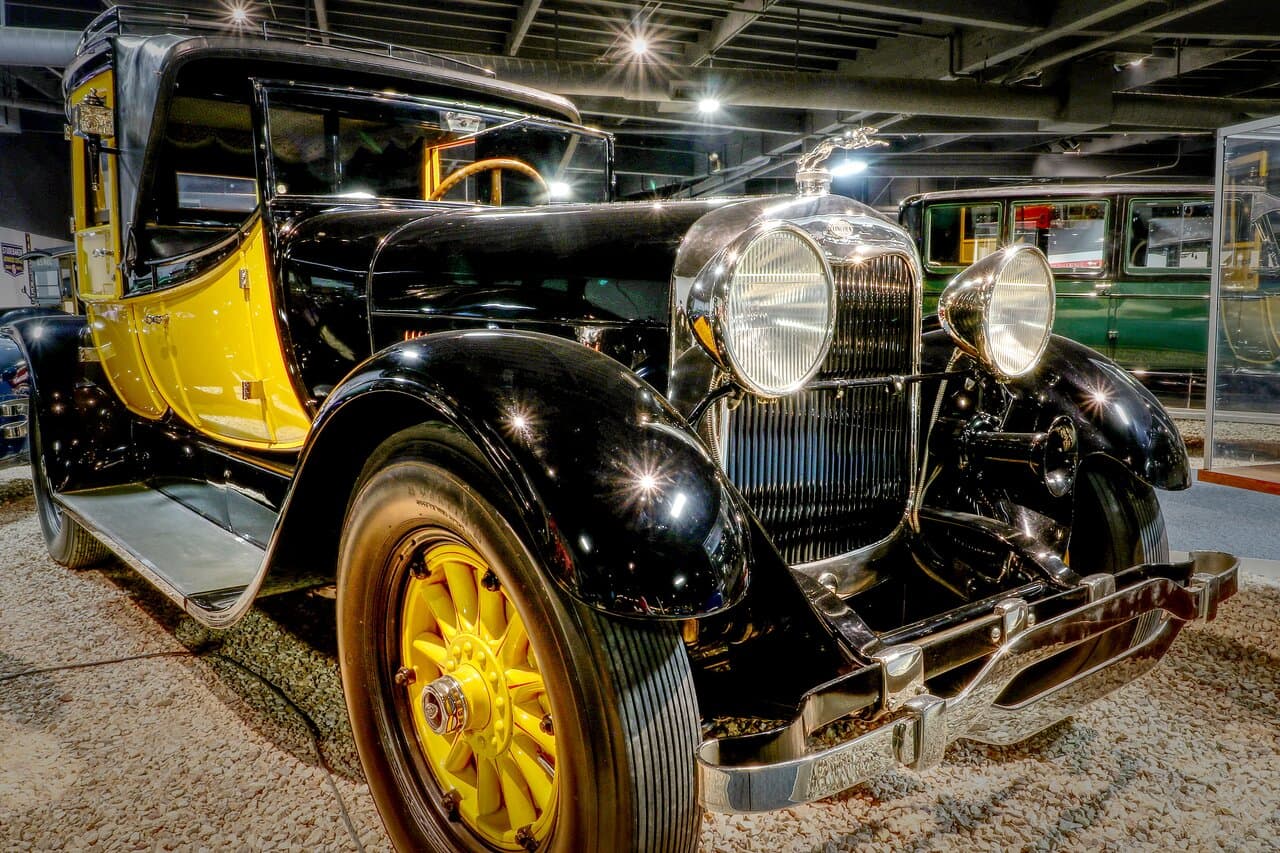
This museum showcases the history of Dongfeng Motor Corporation, a major automotive manufacturer based in Jianshe. Visitors can see vintage car models, learn about China's industrial development, and view exhibits on automotive technology. It provides insight into the city's economic backbone. Plan for about 2 hours to explore the displays thoroughly. The museum is typically open from 9 AM to 5 PM, with tickets around 30 CNY.
Dongfeng Automobile Museum
Why Visit
It highlights Jianshe's cultural identity as an industrial hub, offering a unique perspective on China's modernization. For couples, it's an educational and engaging start to the trip, with interactive exhibits that spark conversation about history and innovation.
Visit on weekdays to avoid crowds. The museum is located in the Shiyan district, easily accessible by taxi or public bus. Address: Dongfeng Motor Corporation area, Shiyan, Hubei.
2
Cultural Sites and Market Exploration
Day 2 of your journey
3
Relaxation and Scenic Views
Day 3 of your journey
4
Culinary Highlights and Departure
Day 4 of your journey
Before You Go
Essential Travel Tips
Use taxis or ride-hailing apps like Didi for convenient transportation within Jianshe, as public buses can be crowded and less frequent.
Carry cash (Chinese Yuan) as smaller shops and markets may not accept credit cards, though larger restaurants and hotels do.
Learn basic Mandarin phrases like 'ni hao' (hello) and 'xie xie' (thank you) to communicate with locals, as English is not widely spoken.
Dress modestly when visiting temples or religious sites to show respect for local customs.
Stay hydrated and wear comfortable shoes for walking, as many attractions are spread out across the city.
Check weather forecasts before your trip, as Jianshe can have hot summers and cool winters, so pack accordingly.
Be cautious with street food; opt for busy stalls with high turnover to ensure freshness and hygiene.
Use a VPN if needed to access international websites, as some may be restricted in China.
When to Go
Best Time to Visit
The best time to visit Jianshe is during spring (April to May) and autumn (September to October) when temperatures are mild, ranging from 15°C to 25°C, and rainfall is moderate. These seasons offer comfortable weather for outdoor activities and sightseeing. Summer (June to August) can be hot and humid, with temperatures often exceeding 30°C, while winter (December to February) is cool, sometimes dropping below 5°C, and may have occasional rain. Tourist crowds are generally smaller compared to major Chinese cities, making any time feasible, but spring and autumn provide the most pleasant conditions.
Local Insights & Tips
Jianshe is a practical, working city where life revolves around industry and local commerce. The culture is influenced by Hubei traditions, with an emphasis on family, food, and community. Locals are generally friendly but reserved, so polite gestures and patience are appreciated. When dining, it's common to share dishes family-style, and tipping is not expected. The city has a slower pace compared to metropolises like Beijing or Shanghai, offering a more authentic glimpse into everyday Chinese life. Respect for elders and authority is important, so avoid loud behavior in public spaces. Neighborhoods like the downtown area mix modern buildings with older markets, reflecting the city's evolution.