4 DaysChina
Jinghong
Your 4-day travel guide
The best time to visit Jinghong is during the dry, cool season from November to April. During these months, you'll exper...
Jinghong•4D•All
Jinghong, China
Duration:4 Days
Activities:12
Best for:All travelers
Dai Flavors and Tropical Temples
Jinghong, the capital of Xishuangbanna Dai Autonomous Prefecture in southern Yunnan, offers a unique cultural gateway distinct from the rest of China. This city, set along the Lancang River (the upper Mekong), is the heart of Dai culture, with its distinctive architecture, Buddhist temples, and tropical climate creating a relaxed, Southeast Asian atmosphere. For couples seeking culture and food, Jinghong provides an immersive experience through its vibrant markets, flavorful Dai and Thai-influenced cuisine, and serene spiritual sites, all within a compact, walkable urban area.
Get Real Local Advice
Ask someone who actually lives in Jinghong
1
Cultural Immersion and Riverside Strolls
Day 1 of your journey
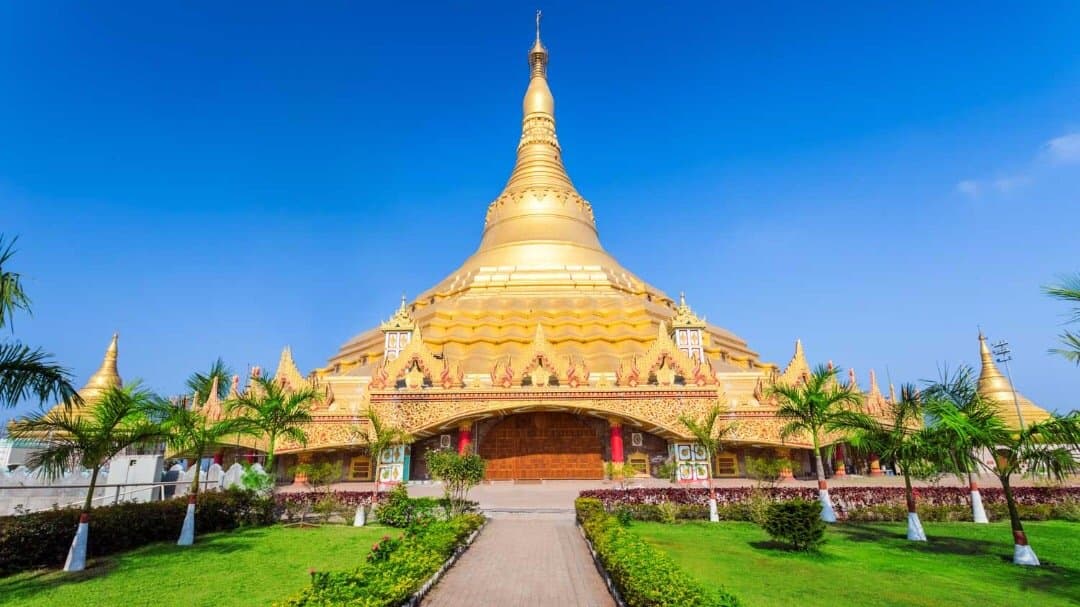
Visit this famous white pagoda complex, a symbol of Jinghong and Dai Buddhism, located on a hilltop about 5km south of the city center. The site consists of nine subordinate pagodas surrounding a main central stupa, representing a sacred Bodhi tree. Visitors can walk around the beautifully maintained grounds, admire the intricate stucco reliefs of elephants and mythical figures, and enjoy panoramic views of the surrounding countryside. The pagoda is active, so observe respectfully. A visit typically takes 1-2 hours, and mornings are cooler and less crowded.
Manfeilong Pagoda (Tanuozhuanglong Pagoda)
Why Visit
Manfeilong Pagoda is one of the most photographed and significant Buddhist sites in Xishuangbanna, offering an authentic look at Dai religious architecture and art. Its hilltop setting provides a peaceful retreat and excellent photo opportunities, making it a perfect first stop to understand the region's spiritual and cultural landscape.
Wear comfortable shoes for the walk up the hill. The site is about a 15-minute taxi ride from downtown. Address: South of Jinghong City, Menghai County.
2
Market Flavors and Temple Serenity
Day 2 of your journey
3
Dai Village Life and Evening Culture
Day 3 of your journey
4
Botanical Wonders and Farewell Feast
Day 4 of your journey
Before You Go
Essential Travel Tips
The local currency is the Chinese Yuan (CNY). Credit cards are accepted in hotels and some restaurants, but carry cash for markets, taxis, and small vendors.
The primary language is Mandarin Chinese. Dai language is also spoken. Learning a few basic Mandarin phrases or using a translation app is very helpful.
Jinghong has a tropical monsoon climate. Pack light, breathable clothing, a sun hat, sunscreen, and an umbrella or rain jacket, especially if visiting during the rainy season (May-October).
Taxis and the Didi ride-hailing app are the most convenient ways to get around the city. Meters are used, and fares are reasonable.
Respect local customs, especially at temples. Dress modestly (cover shoulders and knees), remove shoes where required, and speak quietly. Avoid touching religious objects.
Tap water is not safe to drink. Drink bottled water, which is widely available. Be cautious with ice in drinks from street stalls.
Jinghong is generally safe, but take normal precautions with your belongings in crowded areas like markets.
When to Go
Best Time to Visit
The best time to visit Jinghong is during the dry, cool season from November to April. During these months, you'll experience pleasant daytime temperatures (around 20-28°C or 68-82°F), low humidity, and minimal rainfall, making it ideal for exploring temples, markets, and outdoor attractions. The period from May to October is the rainy season, characterized by high heat, humidity, and frequent, sometimes heavy, afternoon showers. While the landscape is lush, the weather can be less comfortable for extensive sightseeing. The Water-Splashing Festival in mid-April is a major cultural event but also the peak tourist period, so book well in advance if you plan to visit then.
Local Insights & Tips
Jinghong is the cultural center of the Dai people, an ethnic group with close ties to communities in Thailand and Laos. This influence is evident in the architecture, food, and Theravada Buddhist traditions. The pace of life is slower and more relaxed than in many Chinese cities. When interacting, a polite and patient demeanor is appreciated. Meals are often shared family-style, and sticky rice is a staple. The Dai New Year, known as the Water-Splashing Festival, is the most important holiday, involving temple visits, cultural performances, and the playful splashing of water for blessings. While Mandarin is the lingua franca, hearing the melodic Dai language is common. The city has a significant tourism industry, but venturing to local markets and smaller villages provides a more authentic feel.