
4 DaysChina
Jurong
Your 4-day travel guide
Singapore has a tropical climate with consistent temperatures year-round, but the best time to visit Jurong is during th...
Jurong•4D•All
Jurong, China
Duration:4 Days
Activities:12
Best for:All travelers
Industrial Heritage and Hawker Delights
Jurong, located in western Singapore, offers a unique perspective on the city-state's development beyond the iconic downtown skyline. Originally developed as Singapore's first industrial estate in the 1960s, Jurong has evolved into a diverse residential and commercial hub while retaining its industrial character. For couples interested in culture and food, Jurong presents authentic experiences away from tourist crowds, featuring fascinating museums that tell Singapore's industrial story, beautifully preserved temples, and some of Singapore's most celebrated hawker centers where locals gather for affordable, delicious meals. The area's transformation from swampland to industrial powerhouse to modern community makes for compelling exploration.
Get Real Local Advice
Ask someone who actually lives in Jurong
1
Industrial Heritage and Temple Culture
Day 1 of your journey
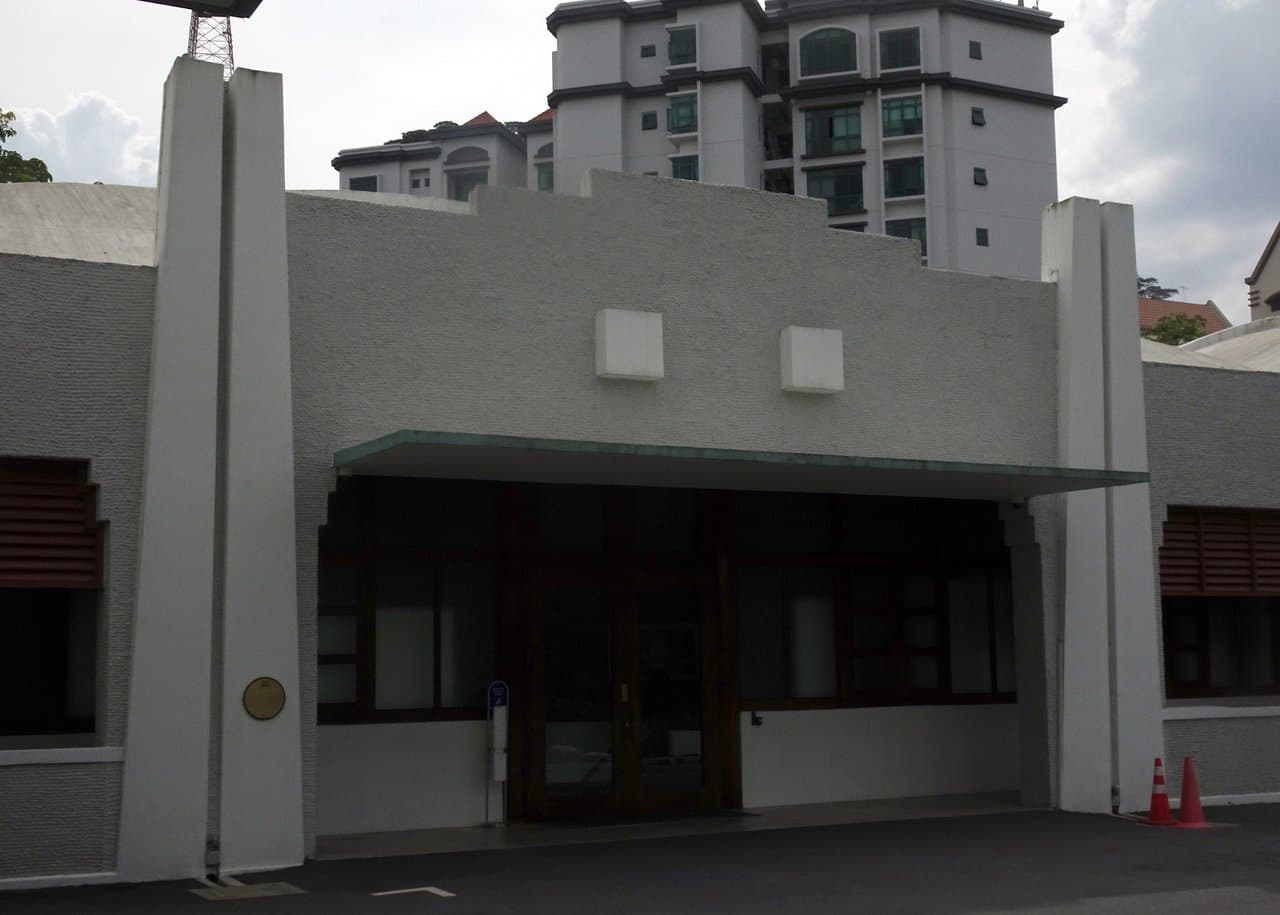
The Former Ford Factory is a national monument that was Singapore's first Ford motorcar assembly plant, built in 1941. It now houses a permanent exhibition called 'Surviving the Japanese Occupation: War and its Legacies' that documents Singapore's experience during World War II. The museum provides insight into Singapore's early industrial development and the impact of war on the local population. The building itself is an excellent example of Art Deco architecture from the colonial period. Plan for about 1.5 hours to fully appreciate the exhibits and the historical significance of this site.
Former Ford Factory
Why Visit
This museum offers a sobering but important look at Singapore's wartime history that isn't covered in most tourist itineraries. As the site where the British surrendered Singapore to the Japanese in 1942, it holds tremendous historical significance. The exhibition provides context for understanding modern Singapore's development and resilience. For couples interested in history, it offers meaningful conversation starters about Singapore's transformation from colonial outpost to independent nation.
The museum is closed on Mondays. Address: 351 Upper Bukit Timah Road. Consider combining your visit with nearby Bukit Batok Nature Park, which has wartime memorials and peaceful walking trails.
2
Science Discovery and Local Markets
Day 2 of your journey
3
Gardens and Cultural Performances
Day 3 of your journey
4
Local Neighborhoods and Farewell Feast
Day 4 of your journey
Before You Go
Essential Travel Tips
Singapore's MRT system is efficient and covers Jurong well; get an EZ-Link card for convenient travel
English is widely spoken, but learning basic Mandarin phrases like 'xie xie' (thank you) is appreciated
Singapore uses the Singapore Dollar (SGD); credit cards are widely accepted but hawker centers need cash
Jurong is generally safe, but exercise normal precautions with valuables in crowded places
Singapore has strict laws against littering, chewing gum in public, and smoking in non-designated areas
Many museums and attractions offer discounted tickets when purchased online in advance
The weather is consistently warm and humid; carry water, wear light clothing, and use sunscreen
Tipping is not expected in Singapore as a 10% service charge is usually included in restaurant bills
When to Go
Best Time to Visit
Singapore has a tropical climate with consistent temperatures year-round, but the best time to visit Jurong is during the drier months from February to April. These months typically see less rainfall than the monsoon seasons (November to January and June to September). Humidity remains high throughout the year, usually between 70-80%. While temperatures are consistently warm (averaging 28-32°C), the slightly drier conditions make outdoor exploration more comfortable. Major festivals like Chinese New Year (January/February) can be crowded but offer unique cultural experiences. Avoid the haze season (typically September-October) when forest fires in neighboring regions can affect air quality.
Local Insights & Tips
Jurong reflects Singapore's practical, efficient character while maintaining community spirit. The area's transformation from industrial zone to residential hub means you'll find both modern amenities and traditional businesses coexisting. Locals value cleanliness, order, and mutual respect in public spaces. When visiting hawker centers, it's customary to 'chope' (reserve) seats with packets of tissue paper before ordering food. While Singapore is multicultural, Chinese cultural influences are particularly strong in Jurong, evident in temple architecture and food traditions. The pace is generally more relaxed than downtown Singapore, with stronger neighborhood identities. Sunday afternoons often see families gathering at food centers, creating a lively community atmosphere worth experiencing.