
4 DaysChina
Puxi
Your 4-day travel guide
The best times to visit Shanghai are spring (March to May) and autumn (September to November) when temperatures are mild...
Puxi•4D•All
Puxi, China
Duration:4 Days
Activities:12
Best for:All travelers
Historic Alleys and Modern Flavors in Shanghai's West
Puxi, the historic western part of Shanghai, offers a rich contrast to the futuristic skyline of Pudong across the Huangpu River. This area contains the city's original urban core, where you'll find colonial-era architecture, traditional neighborhoods, and some of Shanghai's most important cultural institutions. As a couple focusing on culture and food, you'll explore ancient temples, world-class museums, and vibrant food streets that tell the story of Shanghai's evolution from treaty port to global metropolis. The slower pace and human scale of Puxi's neighborhoods make it ideal for romantic strolls and culinary discoveries.
Get Real Local Advice
Ask someone who actually lives in Puxi
1
Colonial History and Riverside Romance
Day 1 of your journey
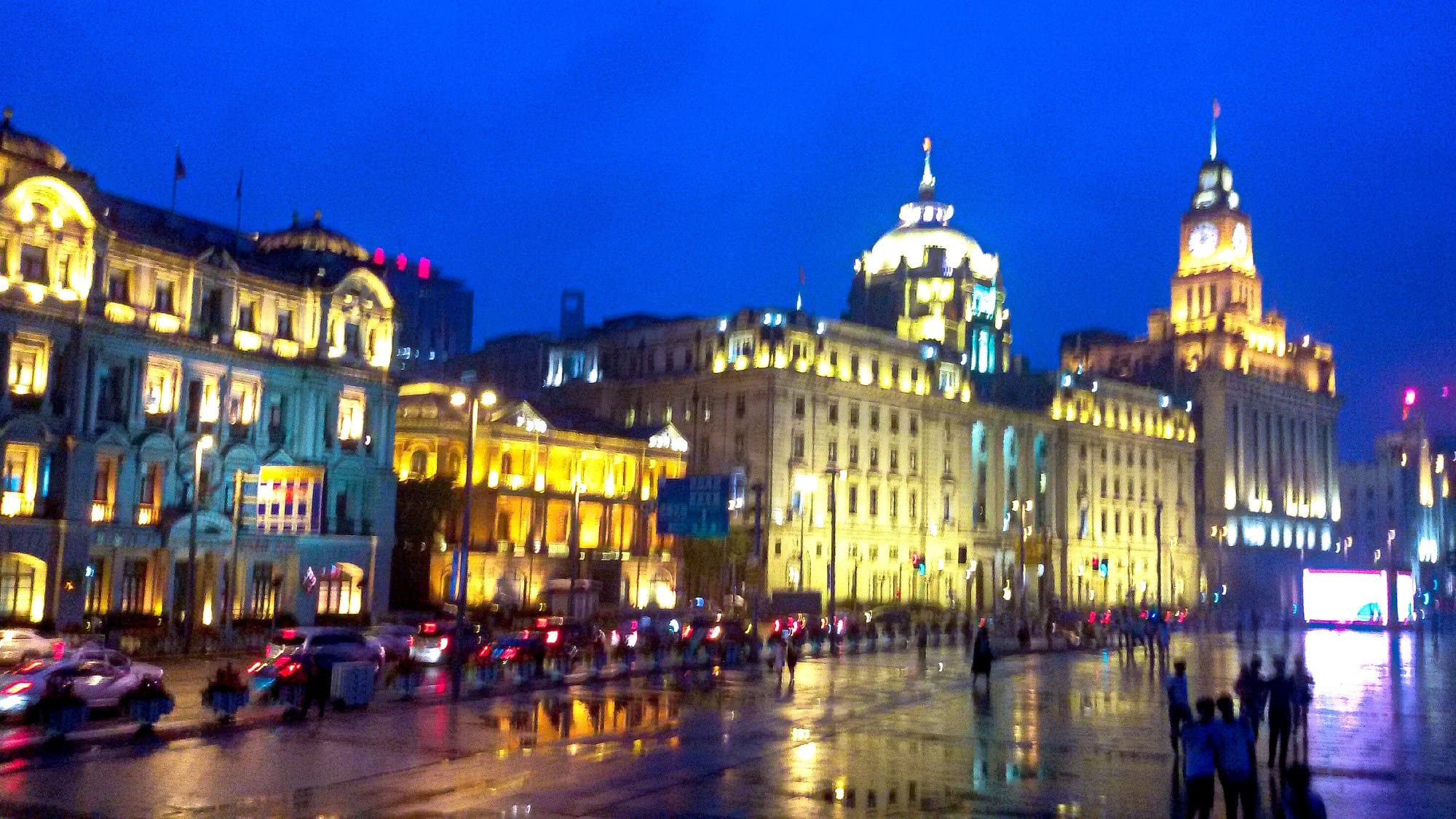
The Bund is Shanghai's iconic waterfront promenade featuring 52 buildings of various architectural styles from the 1920s and 1930s, including Gothic, Baroque, and Art Deco. You'll walk along the Huangpu River, admiring the contrast between the historic European-style buildings on one side and the modern skyscrapers of Pudong across the water. Morning light provides excellent photography conditions with fewer crowds. Allow about 2 hours to walk the entire length and appreciate the details of buildings like the Peace Hotel and Customs House.
The Bund
Why Visit
The Bund represents Shanghai's history as an international treaty port and offers the most famous view in the city. As a couple, you'll enjoy the romantic riverside setting while learning about Shanghai's colonial past through its preserved architecture. The morning visit avoids the largest tourist crowds that arrive later in the day.
Address: Zhongshan East 1st Road. For the best photos, cross the street to the riverfront promenade. Visit the Bund Historical Museum inside the Signal Tower for free exhibits about the area's development.
2
Ancient Temples and Traditional Arts
Day 2 of your journey
3
Art Museums and French Concession Strolls
Day 3 of your journey
4
Local Markets and Culinary Exploration
Day 4 of your journey
Before You Go
Essential Travel Tips
Use the Shanghai Metro for efficient transportation between districts. Purchase a Shanghai Public Transportation Card for convenience on metro, buses, and taxis.
Download Didi (China's Uber equivalent) and set up payment before arrival as regular taxis can be difficult to hail during peak hours.
Carry small bills and change as many smaller vendors and taxis prefer cash, though larger establishments accept mobile payments like Alipay and WeChat Pay.
Learn basic Mandarin phrases like 'ni hao' (hello), 'xie xie' (thank you), and 'duo shao qian' (how much). Most tourist areas have English signs but minimal spoken English.
Be prepared for crowds at popular attractions, especially on weekends. Visit major sites early in the day to avoid the largest groups.
Tap water is not drinkable. Purchase bottled water or use boiled water provided by hotels. Many restaurants serve tea automatically.
Carry tissues or small packets as public restrooms often don't provide toilet paper. Western-style toilets are common in hotels and malls but less so in older areas.
Be cautious of tourist scams near major attractions like the Bund and Yu Garden, particularly 'tea house' invitations and 'art student' exhibitions that lead to pressured purchases.
When to Go
Best Time to Visit
The best times to visit Shanghai are spring (March to May) and autumn (September to November) when temperatures are mild and rainfall is moderate. Spring brings blooming flowers and comfortable temperatures around 15-25°C (59-77°F), though occasional rain occurs. Autumn offers clear skies, pleasant temperatures, and lower humidity, making it ideal for walking tours. Summer (June to August) is hot and humid with temperatures often exceeding 30°C (86°F) and higher rainfall, including the rainy season in June. Winter (December to February) is cold and damp with temperatures around 0-10°C (32-50°F) and occasional frost, though fewer tourists visit during this period.
Local Insights & Tips
Shanghai has a distinct local culture that blends traditional Chinese elements with international influences from its history as a treaty port. The Shanghainese dialect differs significantly from Mandarin, though most residents speak both. Personal space is limited in crowded areas, and queuing may be less orderly than Western visitors expect. When dining, sharing dishes family-style is standard, and it's polite to leave a small amount of food on your plate to indicate you're satisfied. Tipping is not customary except in high-end international hotels and restaurants. Shanghai residents generally dress well and appreciate neat appearance in formal settings. The concept of 'face' (maintaining dignity and avoiding embarrassment) is important, so polite indirect communication is valued over blunt criticism. While Shanghai is China's most cosmopolitan city, conservative dress is still appreciated when visiting temples and religious sites.