4 DaysChina
Qingzhou
Your 4-day travel guide
The optimal times to visit Qingzhou are spring (April to May) and autumn (September to October). During these periods, t...
Qingzhou•4D•All
Qingzhou, China
Duration:4 Days
Activities:12
Best for:All travelers
Ancient Capitals and Culinary Traditions
Qingzhou, a historic city in Shandong Province, offers a journey through China's profound cultural heritage. Once a major political center during ancient times, it's now celebrated for its well-preserved relics, museums, and authentic Shandong cuisine. For couples seeking a blend of history and gastronomy, Qingzhou provides intimate exploration of Buddhist art, ancient city walls, and local food markets. The city's pace is relaxed, allowing for deep immersion without the crowds of larger tourist destinations. Its compact layout makes it ideal for walking between cultural sites and family-run restaurants, creating a personalized experience focused on discovery and connection.
Get Real Local Advice
Ask someone who actually lives in Qingzhou
1
Cultural Heritage and Ancient History
Day 1 of your journey
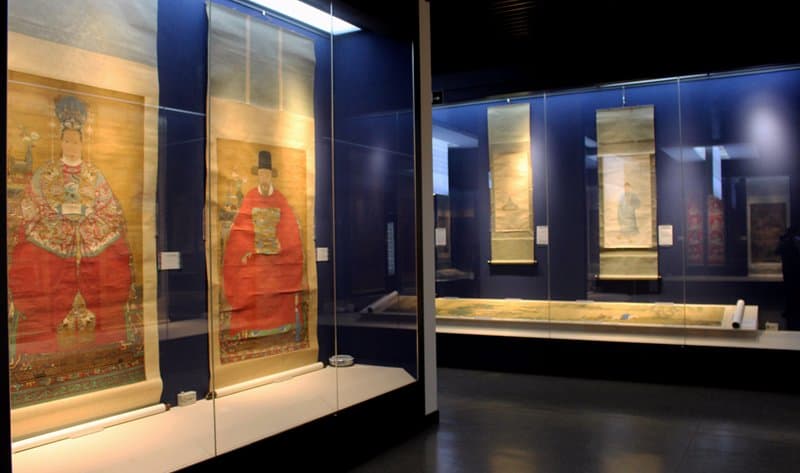
The Qingzhou Museum houses one of China's most significant collections of Buddhist stone sculptures, discovered in 1996. These statues date from the Northern Wei to Tang dynasties (5th-8th centuries) and showcase exquisite craftsmanship. Visitors can view hundreds of well-preserved figures in a modern exhibition space. The museum provides English explanations, and a typical visit takes 2-3 hours. Morning visits are recommended to avoid potential afternoon crowds and to have ample time for detailed observation.
Qingzhou Museum
Why Visit
This museum contains nationally treasured artifacts that represent a golden age of Buddhist art in China. The discovery revolutionized understanding of Buddhist sculpture development in eastern China. For couples interested in art history, it offers a quiet, contemplative environment to appreciate these masterpieces together, with many pieces displaying remarkable preservation of original pigments and details.
Address: 7688 Fuzhou Road, Qingzhou. Focus on the Longxing Temple excavation section, which contains the most complete statues. Photography without flash is permitted, and the lighting is designed to highlight the sculptures' details effectively.
2
Temple Architecture and Local Markets
Day 2 of your journey
3
Gardens, Parks, and Evening Culture
Day 3 of your journey
4
Museum Collections and Culinary Finale
Day 4 of your journey
Before You Go
Essential Travel Tips
Qingzhou uses Chinese Yuan (CNY). Credit cards are accepted at hotels and larger restaurants, but carry cash for markets and small establishments.
The city has limited English signage. Download a translation app and learn basic Mandarin phrases like 'nihao' (hello) and 'xiexie' (thank you).
Public transportation includes buses and taxis. Didi (Chinese ride-sharing) works well. Most attractions are walkable in the city center.
Spring (April-May) and autumn (September-October) offer the most pleasant weather for exploring outdoor sites.
Temple and museum etiquette: Dress modestly, speak quietly, and avoid touching artifacts unless permitted.
Bargaining is expected at markets but not in fixed-price stores or restaurants. Start at about 60% of the asking price.
Tap water is not drinkable. Use bottled water, which is widely available and inexpensive.
Qingzhou is generally safe, but take normal precautions with valuables in crowded areas like markets.
When to Go
Best Time to Visit
The optimal times to visit Qingzhou are spring (April to May) and autumn (September to October). During these periods, temperatures range from 15-25°C (59-77°F) with minimal rainfall, creating comfortable conditions for exploring outdoor historical sites and gardens. Summer (June to August) can be hot and humid, with temperatures reaching 30°C (86°F) or higher, though museums provide air-conditioned relief. Winter (December to February) is cold, with temperatures sometimes dropping below freezing, but it's the least crowded season. Spring offers blooming flowers in gardens, while autumn features clear skies and pleasant walking weather. Major Chinese holidays like Golden Week in October bring more domestic tourists.
Local Insights & Tips
Qingzhou residents take pride in their city's historical significance as an ancient capital and cultural center. The pace of life is slower than in major Chinese cities, with emphasis on family, food, and tradition. When dining, it's customary to share dishes family-style rather than ordering individual meals. Tea is served continuously during meals—tapping fingers on the table lightly acknowledges refills. Respect for elders and historical sites is important. The local dialect is a variant of Mandarin with some distinct pronunciations, but standard Mandarin is widely understood. Qingzhou's identity is closely tied to its Buddhist heritage and Shandong culinary traditions, with many families maintaining recipes for generations. Sunday mornings see parks filled with tai chi practitioners and social groups.