4 DaysChina
Shache
Your 4-day travel guide
The optimal time to visit Shache is during spring (April to May) and autumn (September to October) when temperatures are...
Shache•4D•All
Shache, China
Duration:4 Days
Activities:12
Best for:All travelers
Silk Road Echoes and Uyghur Flavors
Shache, also known as Yarkand, is a historic oasis city in China's Xinjiang region that served as a vital Silk Road trading hub. This ancient city offers a rich cultural experience with its mix of Uyghur traditions, Islamic architecture, and desert landscapes. As a couple, you'll discover intimate moments exploring centuries-old mosques, wandering through traditional markets filled with spices and textiles, and savoring authentic Uyghur cuisine in family-run restaurants. The city's slower pace allows for meaningful connections with local culture, making it ideal for couples seeking both cultural depth and culinary adventure away from crowded tourist trails.
Get Real Local Advice
Ask someone who actually lives in Shache
1
Historic Heart and Market Culture
Day 1 of your journey
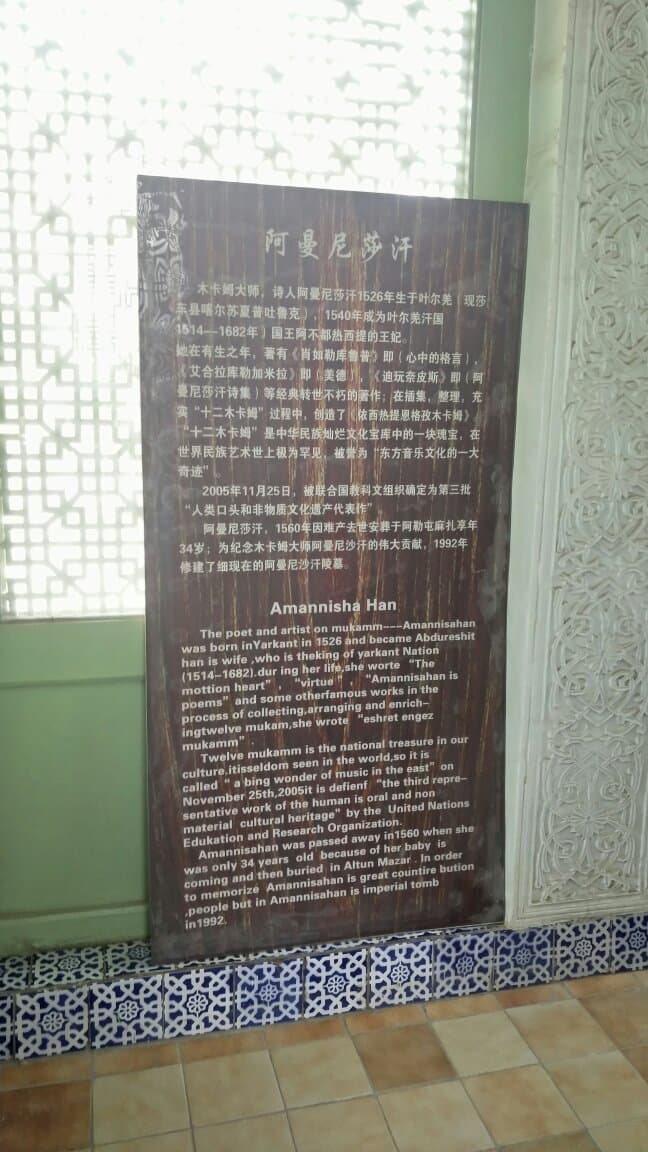
The Yarkand Khanate Mausoleum is a significant historical site dating back to the 16th century, serving as the burial place for rulers of the Yarkand Khanate. Visitors can admire the Islamic architectural style with intricate tile work and calligraphy, while learning about the region's history as a Silk Road power center. The complex includes several tombs and a peaceful courtyard. Plan for about 90 minutes to fully appreciate the details and historical context. Early morning visits offer cooler temperatures and fewer visitors.
Yarkand Khanate Mausoleum
Why Visit
This mausoleum represents the height of Yarkand's historical importance as a Silk Road kingdom. For couples interested in culture, it provides insight into the region's Islamic heritage and architectural achievements. The serene atmosphere creates a contemplative space perfect for quiet exploration together, away from the city's busier areas.
Address: Near the old city center. Look for the blue-tiled dome. Local guides sometimes offer brief explanations in basic English if you arrive when small groups are forming.
2
Islamic Architecture and Local Crafts
Day 2 of your journey
3
Desert Heritage and Culinary Exploration
Day 3 of your journey
4
Market Finale and Culinary Memories
Day 4 of your journey
Before You Go
Essential Travel Tips
Shache has a desert climate with hot summers and cold winters - pack accordingly with sun protection in warm months and layers in cooler seasons
Cash (Chinese Yuan) is essential as many smaller establishments don't accept cards - ATMs are available but may have limited English interface
Basic Mandarin phrases are helpful, but in Uyghur areas, learning simple greetings in Uyghur shows respect
Respect local customs by dressing modestly, especially when visiting religious sites (covered shoulders and knees)
Transport within the city is mainly by taxi or walking - agree on taxi fares before departure as meters may not be used
Tap water is not drinkable - use bottled water even for brushing teeth
Internet access may be limited compared to larger Chinese cities - download offline maps and translation apps beforehand
Photography restrictions may apply near government buildings or military sites - observe posted signs
When to Go
Best Time to Visit
The optimal time to visit Shache is during spring (April to May) and autumn (September to October) when temperatures are mild and comfortable for exploration. Spring brings blooming desert plants and pleasant daytime temperatures around 20-25°C (68-77°F), though nights can still be cool. Autumn offers similar comfortable conditions with the added benefit of harvest seasons for fruits like melons and grapes. Summer (June to August) can be extremely hot, often exceeding 35°C (95°F), making daytime outdoor activities challenging. Winter (November to March) is cold with temperatures often below freezing, and some rural sites may be less accessible.
Local Insights & Tips
Shache is predominantly Uyghur, with Islamic traditions influencing daily life and customs. Friday is the main prayer day, so some businesses may have adjusted hours. Hospitality is important in Uyghur culture - if invited to tea or a meal, accepting is polite. Meals often begin with hand washing from a pitcher. The local pace is generally slower than in China's eastern cities, with afternoon breaks common. When visiting homes or religious sites, removing shoes is customary. The Uyghur language uses Arabic script and sounds quite different from Mandarin, though many people understand basic Mandarin. Traditional music and dance remain important cultural expressions, often performed at celebrations.