4 DaysChina
Shishi
Your 4-day travel guide
The optimal time to visit Shishi is during autumn (September to November) when temperatures are mild (20-28°C), rainfall...
Shishi•4D•All
Shishi, China
Duration:4 Days
Activities:12
Best for:All travelers
Textile Heritage and Minnan Flavors
Shishi, a coastal city in Fujian Province, offers a unique blend of industrial heritage and traditional Minnan culture. Known as China's 'Garment Capital,' its modern manufacturing coexists with historic temples and authentic local cuisine. For couples seeking cultural immersion and culinary exploration, Shishi provides intimate experiences away from major tourist crowds. The city's compact layout makes it easy to navigate between textile markets, ancient shrines, and family-run eateries serving distinctive Quanzhou-style dishes. This itinerary balances discovery of local craftsmanship with romantic dining experiences perfect for couples.
Get Real Local Advice
Ask someone who actually lives in Shishi
1
Cultural Heritage and Local Markets
Day 1 of your journey
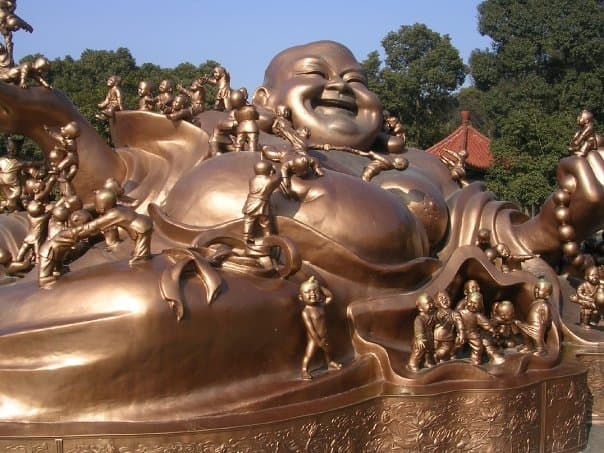
Lingshan Temple is one of Shishi's most significant Buddhist sites, dating back to the Tang Dynasty. The temple complex features traditional Minnan architectural styles with intricate wood carvings and ceramic decorations. Visitors can observe local worshippers, explore the peaceful courtyards, and appreciate the historical artifacts. The temple is active throughout the day, but mornings offer a quieter atmosphere. Plan about an hour to walk through the main halls and gardens, respecting the religious activities taking place.
Lingshan Temple
Why Visit
This temple provides authentic insight into Fujian's religious traditions and architectural heritage. As one of Shishi's oldest cultural sites, it showcases the region's unique blend of Buddhist and local folk practices. The serene environment offers couples a peaceful start to their trip, with beautiful traditional craftsmanship to admire together.
Address: Lingshan Temple, Baogai Town, Shishi. Visit before 11:00 to avoid larger groups of worshippers. Dress modestly covering shoulders and knees, and maintain quiet respect during prayer sessions.
2
Coastal Exploration and Temple Arts
Day 2 of your journey
3
Culinary Discovery and Local Life
Day 3 of your journey
4
Textile Arts and Farewell Dining
Day 4 of your journey
Before You Go
Essential Travel Tips
Use DiDi or local taxis for transportation - public buses have limited English information
Carry cash (Chinese Yuan) as many smaller establishments don't accept foreign cards
Learn basic Mandarin phrases - English proficiency is limited outside hotels and major businesses
Download translation apps for menu and sign interpretation
Shishi has good 4G coverage - purchase local SIM or use international roaming
Dress modestly when visiting temples - cover shoulders and knees
Carry tissues as some public restrooms may not provide toilet paper
Business hours typically run 09:00-18:00 with midday breaks at some smaller shops
When to Go
Best Time to Visit
The optimal time to visit Shishi is during autumn (September to November) when temperatures are mild (20-28°C), rainfall decreases, and humidity is lower than summer months. Spring (March to May) also offers pleasant weather though with more variable conditions and occasional rain. Summer (June to August) brings high heat, humidity, and potential typhoon activity, making outdoor exploration less comfortable. Winter (December to February) is cool but rarely cold, with temperatures averaging 10-18°C. Major local festivals occur according to lunar calendar dates, potentially affecting accommodation availability.
Local Insights & Tips
Shishi operates with distinct Minnan cultural practices rooted in Fujian's coastal traditions. The local dialect is a variant of Hokkien, though Mandarin is widely understood in commercial contexts. Respect for elders and family values remains strong, reflected in business practices and social interactions. When visiting temples or religious sites, observe local customs like removing hats and speaking quietly. Business relationships often begin with tea service - accepting tea signifies openness to discussion. Shishi's identity balances traditional values with modern commerce, creating unique cultural environment. Tipping isn't customary except at higher-end establishments where 10% may be appreciated for exceptional service.