4 DaysChina
Songyang
Your 4-day travel guide
The ideal times to visit Songyang are spring (April to May) and autumn (September to October). Spring brings mild temper...
Songyang•4D•All
Songyang, China
Duration:4 Days
Activities:12
Best for:All travelers
Ancient Villages and Mountain Cuisine
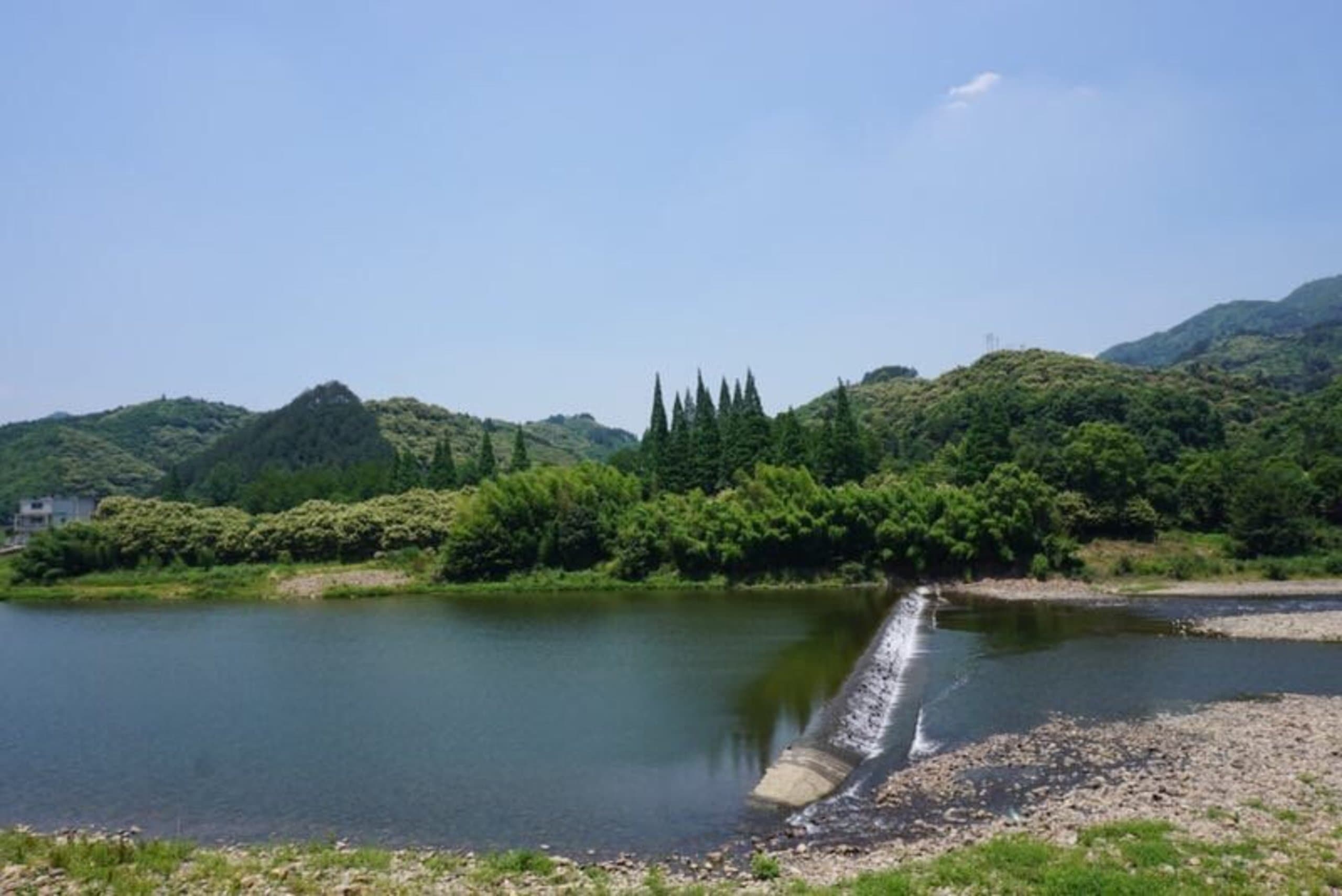
Songyang, located in Zhejiang Province, is a county-level city known for its well-preserved ancient villages, traditional architecture, and distinctive mountain cuisine. Unlike bustling urban centers, Songyang offers a slower pace where visitors can explore centuries-old settlements built into the hillsides, experience rural Chinese culture, and taste locally-sourced ingredients prepared in time-honored ways. The area's unique 'Songyang Model' of rural revitalization has gained attention for balancing heritage conservation with sustainable development. For couples interested in culture and food, Songyang provides an authentic glimpse into China's rural heartland with intimate experiences away from crowded tourist trails.
Get Real Local Advice
Ask someone who actually lives in Songyang
1
Cultural Heritage and Ancient Architecture
Day 1 of your journey
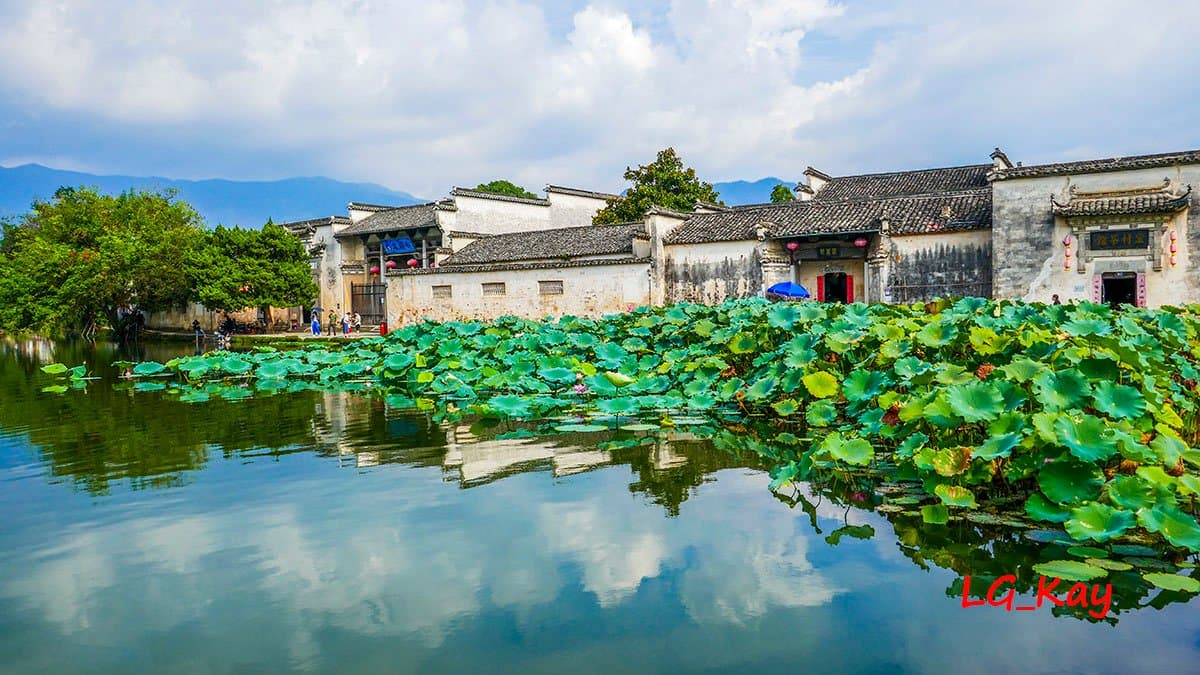
Yangjiatang is a 600-year-old village built entirely from local stone, featuring narrow alleyways, traditional courtyard homes, and ancient wells. Visitors can wander through the labyrinth of stone structures that climb the hillside, observing the unique architectural style adapted to the mountainous terrain. The village maintains its original layout with minimal modern intervention, offering a genuine look at rural life through the centuries. Plan for 2-3 hours to fully explore the village and its surroundings, with morning visits providing the best light for photography.
Yangjiatang Ancient Village
Why Visit
Yangjiatang represents one of China's best-preserved stone villages, showcasing ingenious adaptation to mountainous environments. The village's complete stone construction creates a distinctive atmosphere unlike typical ancient Chinese settlements. For couples, the quiet pathways and panoramic views from higher points offer romantic moments of discovery. The site demonstrates traditional building techniques that have endured for generations, providing cultural insight into Songyang's heritage.
Wear comfortable walking shoes with good grip as the stone paths can be slippery. Address: Yangjiatang Village, Songyang County. The village has few commercial facilities, so bring water and snacks. Local elders sometimes share stories if approached respectfully.
2
Traditional Crafts and Culinary Discovery
Day 2 of your journey
3
Mountain Villages and Agricultural Traditions
Day 3 of your journey
4
Local Markets and Farewell Experiences
Day 4 of your journey
Before You Go
Essential Travel Tips
Transportation within Songyang relies on taxis and local buses, as the city lacks subway systems. Didi (Chinese ride-sharing) works reliably here.
Currency is Chinese Yuan (CNY). Credit cards are accepted at hotels and larger restaurants, but carry cash for markets, small vendors, and rural areas.
Basic Mandarin phrases are helpful as English proficiency is limited outside tourist facilities. Translation apps work with mobile data.
Songyang is generally safe with low crime rates, but secure valuables in crowded areas and when traveling between villages.
Respect local customs when visiting villages and temples. Dress modestly, ask permission before photographing people, and avoid touching artifacts.
Spring (April-May) and autumn (September-October) offer the most pleasant weather for exploring outdoor sites and villages.
Mobile payment through WeChat Pay or Alipay is widely accepted, but international cards may not link directly - carry backup cash.
Accommodation ranges from basic guesthouses in villages to comfortable hotels in town center. Book village stays in advance during peak seasons.
When to Go
Best Time to Visit
The ideal times to visit Songyang are spring (April to May) and autumn (September to October). Spring brings mild temperatures (15-25°C), blooming flowers in mountain areas, and active agricultural cycles perfect for seeing planting traditions. Autumn offers clear skies, comfortable temperatures (18-28°C), and harvest activities including tea picking and food preservation. Summer (June to August) can be hot and humid with occasional heavy rain, though higher elevation villages remain cooler. Winter (December to February) is cold with temperatures sometimes dropping below freezing, but offers fewer tourists and unique atmospheric conditions in ancient villages. Major Chinese holidays (Spring Festival, Golden Week) bring domestic tourists, so consider timing around these periods.
Local Insights & Tips
Songyang's culture centers on mountain living traditions adapted over centuries to the challenging terrain. Villages developed distinctive stone architecture using local materials, creating settlements that seem to grow from the landscape. The 'Songyang Model' of rural revitalization has brought new attention to preserving these traditions while creating sustainable economies. Locals maintain strong connections to agricultural cycles, with food culture deeply tied to seasonal availability and foraging traditions. Respect for elders and community cooperation remain important values. When visiting villages, understand that many residents maintain traditional lifestyles - observe quietly, avoid intrusive behavior, and recognize that you're guests in living communities rather than museum exhibits. Meals often involve shared dishes rather than individual plates, reflecting communal values.