4 DaysChina
Weichanglu
Your 4-day travel guide
The best time to visit Weichanglu is from late spring to early autumn, specifically May through September. During these ...
Weichanglu•4D•All
Weichanglu, China
Duration:4 Days
Activities:12
Best for:All travelers
Ancient Temples and Culinary Delights in Northern China
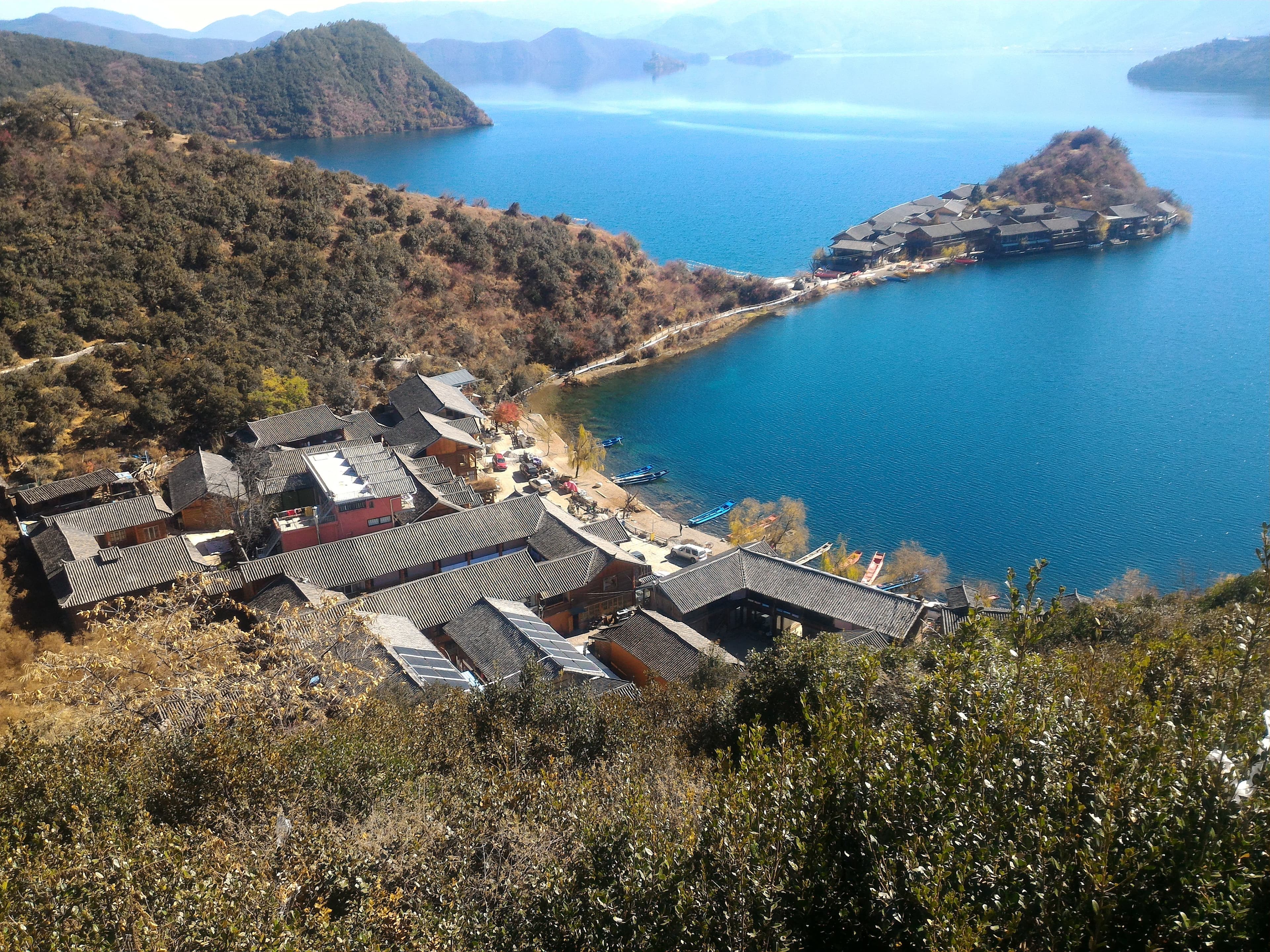
Weichanglu, located in Hebei Province, is a city that blends historical significance with natural beauty. Known for its role as a former imperial hunting ground during the Qing Dynasty, it offers a unique glimpse into China's past while providing access to the scenic landscapes of the surrounding region. The city serves as a gateway to the Saihanba National Forest Park, making it a destination for those interested in both cultural heritage and outdoor experiences. Its local cuisine reflects northern Chinese traditions, with hearty dishes perfect for the cooler climate.
Get Real Local Advice
Ask someone who actually lives in Weichanglu
1
Cultural Heritage and Imperial History
Day 1 of your journey
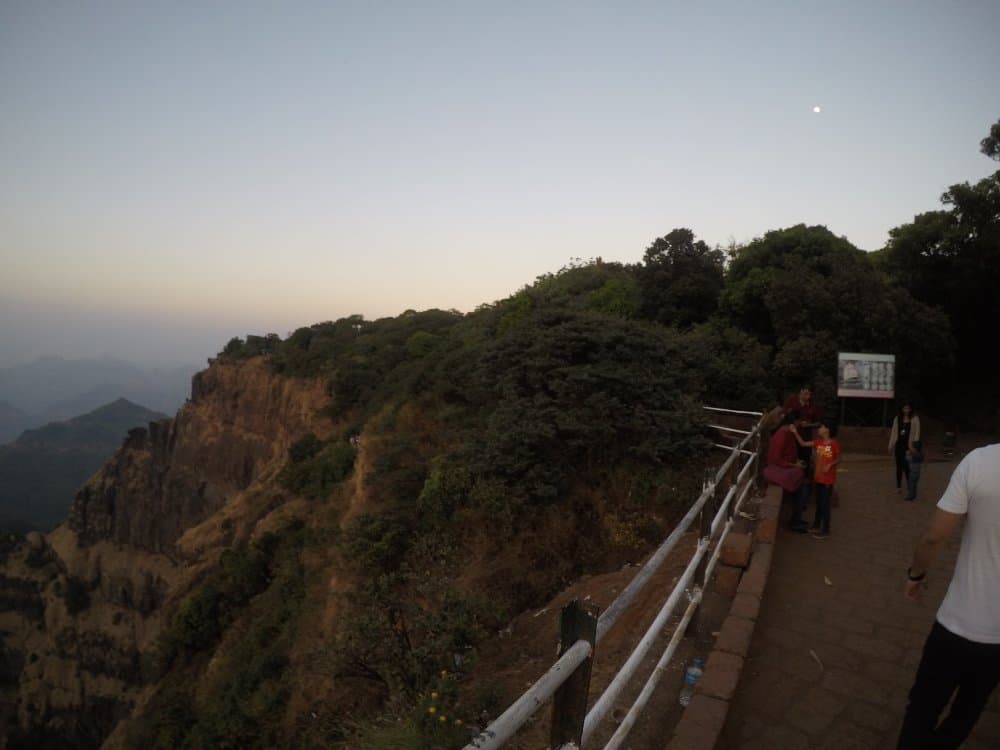
This historical site was used by Qing Dynasty emperors for hunting expeditions. Visitors can walk through the expansive grounds, learn about imperial traditions, and see restored structures. The area offers a peaceful atmosphere with grassy fields and wooded areas. Plan to spend about 2-3 hours exploring. Mornings are ideal to avoid afternoon crowds and enjoy cooler temperatures.
Weichang Imperial Hunting Ground
Why Visit
This site provides direct connection to China's imperial history in a setting that feels removed from modern development. It's a rare opportunity to experience a landscape preserved for royal use, offering both educational value and scenic relaxation. The historical significance makes it a cornerstone of understanding Weichanglu's past.
Wear comfortable walking shoes as the terrain is uneven in places. The site has limited signage in English, so consider downloading a translation app. Address: Weichang Manchu and Mongol Autonomous County, Chengde, Hebei.
2
Natural Beauty and Scenic Exploration
Day 2 of your journey
3
Local Markets and Traditional Crafts
Day 3 of your journey
4
Scenic Drives and Farewell Dining
Day 4 of your journey
Before You Go
Essential Travel Tips
Weichanglu uses Chinese Yuan (CNY). Credit cards are accepted in hotels and some restaurants, but carry cash for markets and smaller establishments.
The primary language is Mandarin Chinese. Basic phrases like 'ni hao' (hello) and 'xie xie' (thank you) are appreciated. Consider downloading a translation app.
Public transportation within Weichanglu is limited. Taxis are available but consider hiring a car with driver for day trips to Saihanba.
Weather can change quickly, especially in mountainous areas. Pack layers including warm clothing even in summer.
Tap water is not drinkable. Use bottled water for drinking and brushing teeth.
Internet access is available in hotels and some restaurants. Consider purchasing a local SIM card or portable WiFi for better connectivity.
Respect local customs at religious sites. Dress modestly and follow any photography restrictions.
Weichanglu is generally safe, but take normal precautions with valuables in crowded areas.
When to Go
Best Time to Visit
The best time to visit Weichanglu is from late spring to early autumn, specifically May through September. During these months, temperatures are mild with daytime highs typically between 15°C and 25°C (59°F to 77°F). Summer offers the greenest landscapes and most comfortable conditions for outdoor activities. July and August are peak months with more visitors. Autumn (September to October) provides pleasant weather and beautiful foliage colors. Winters are cold with temperatures often below freezing, and some attractions may have reduced access. Spring can be unpredictable with occasional rain.
Local Insights & Tips
Weichanglu reflects a mix of Han Chinese, Manchu, and Mongolian cultural influences due to its historical position. The local population maintains traditional practices while adapting to modern life. Respect for elders and modest behavior in public are valued. When dining, it's common to share dishes family-style. The pace of life is generally slower than in major Chinese cities. The region has strong connection to its imperial hunting ground history, which locals take pride in. Environmental awareness has grown due to the successful Saihanba reforestation project. When interacting with locals, patience and polite demeanor are appreciated. The area maintains distinct culinary traditions that differ from other parts of China, with emphasis on hearty, warming dishes suited to the climate.