4 DaysChina
Wuchuan
Your 4-day travel guide
The optimal time to visit Wuchuan is during autumn (October to November) when temperatures are mild, humidity is lower, ...
Wuchuan•4D•All
Wuchuan, China
Duration:4 Days
Activities:12
Best for:All travelers
Taste of Cantonese Culture in Wuchuan
Wuchuan, a county-level city in Guangdong province, offers an authentic slice of Cantonese life away from the major tourist hubs. Known for its rich cultural heritage and distinctive cuisine, it provides a genuine experience of local traditions and flavors. The city's charm lies in its historical sites, traditional architecture, and culinary specialties that reflect its coastal location and cultural identity. For couples interested in culture and food, Wuchuan presents opportunities to explore ancient temples, sample unique seafood dishes, and experience the daily rhythm of a Guangdong city that maintains strong connections to its past while embracing modern development.
Get Real Local Advice
Ask someone who actually lives in Wuchuan
1
Cultural Heritage and Local Flavors
Day 1 of your journey
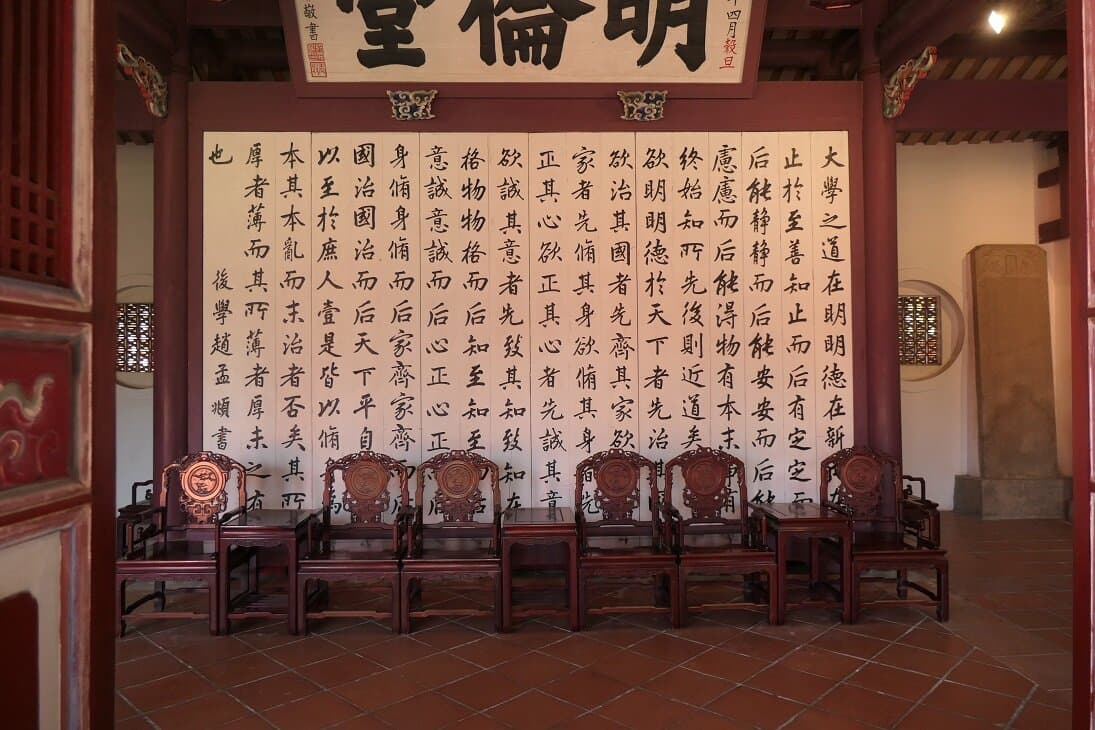
This well-preserved temple, dating back to the Ming Dynasty, serves as a center for Confucian worship and local cultural activities. Visitors can admire traditional Chinese architecture, stone carvings, and ancient trees in the courtyard. The temple complex includes main halls, side rooms, and educational displays about Confucian philosophy. It's typically quiet in the morning, allowing for peaceful exploration. Plan about 1.5 hours to appreciate the details and atmosphere of this important cultural site.
Wuchuan Confucius Temple
Why Visit
The Wuchuan Confucius Temple represents centuries of educational and cultural tradition in the region. It offers insight into how Confucian values shaped local society and provides a tangible connection to Ming Dynasty architecture. For couples, the serene environment creates a contemplative space to appreciate history together away from urban crowds.
Look for the stone tablets with classical inscriptions near the main hall. Address: Near Zhongshan Road in Wuchuan city center.
2
Culinary Exploration and Traditional Crafts
Day 2 of your journey
3
Architectural Heritage and Local Life
Day 3 of your journey
4
Coastal Culture and Culinary Synthesis
Day 4 of your journey
Before You Go
Essential Travel Tips
Use Didi or local taxis for transportation as public buses can be confusing for visitors
Carry cash as smaller establishments may not accept credit cards
Learn basic Mandarin phrases as English is not widely spoken
Dress modestly when visiting temples and religious sites
Try to visit markets in the morning for freshest produce and seafood
Be prepared for humid subtropical climate with occasional rain showers
Use bottled water for drinking to avoid stomach issues
Download translation app for communicating with locals and reading menus
When to Go
Best Time to Visit
The optimal time to visit Wuchuan is during autumn (October to November) when temperatures are mild, humidity is lower, and rainfall decreases. Spring (March to April) also offers pleasant weather before the summer heat and rainy season. Summer (May to September) brings high temperatures, humidity, and frequent rain, though it's peak season for certain seafood. Winter (December to February) is cooler but still relatively mild compared to northern China. Consider that major Chinese holidays like Spring Festival and National Day bring domestic tourism crowds.
Local Insights & Tips
Wuchuan maintains strong Cantonese cultural traditions with emphasis on family, food, and respect for elders. The local dialect is a variant of Cantonese, though Mandarin is understood in most tourist contexts. Dining customs include sharing dishes family-style and using chopsticks proficiently. Tea pouring rituals show respect when dining with locals. The city has coastal fishing heritage that influences daily life and cuisine. While modernizing, traditional values remain important in social interactions. When visiting temples or homes, modest dress and removing shoes when indicated shows cultural sensitivity. Bargaining is expected in markets but not in established restaurants or shops.