4 DaysChina
Xiangxiang
Your 4-day travel guide
The best times to visit Xiangxiang are spring (March to May) and autumn (September to November). Spring offers mild temp...
Xiangxiang•4D•All
Xiangxiang, China
Duration:4 Days
Activities:12
Best for:All travelers
Ancient Temples and Hunan Flavors
Xiangxiang, a historic county-level city in Hunan Province, offers a rich cultural experience rooted in Chinese history and regional traditions. As the hometown of Zeng Guofan, a prominent Qing Dynasty statesman, the city preserves significant historical sites alongside authentic Hunanese culinary heritage. Visitors will find a compact urban center where ancient architecture meets local daily life, providing an immersive look at central China's culture beyond major tourist hubs. This itinerary focuses on cultural landmarks and food experiences that showcase Xiangxiang's unique character.
Get Real Local Advice
Ask someone who actually lives in Xiangxiang
1
Historical Foundations
Day 1 of your journey
This well-preserved Qing Dynasty residence showcases traditional Hunan architecture and the life of Zeng Guofan, a key historical figure. Visitors can explore multiple courtyards, study rooms, and living quarters that reflect 19th-century scholar-official life. The site includes historical artifacts and exhibits about Zeng's influence. Plan for about two hours to appreciate the architectural details and historical context. Morning visits avoid larger crowds that sometimes arrive later in the day.
Zeng Guofan Former Residence
Why Visit
This is the most significant historical site in Xiangxiang, offering authentic insight into Qing Dynasty scholar-official culture. The residence demonstrates traditional Chinese courtyard architecture specific to Hunan region, and provides context about a figure who shaped modern Chinese history. For couples interested in culture, it offers atmospheric spaces perfect for quiet exploration together.
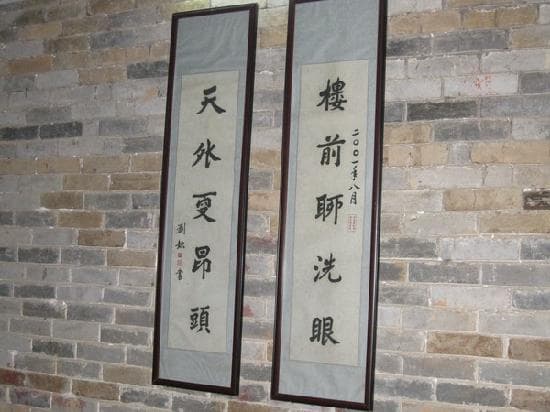
Look for the calligraphy works displayed throughout the residence, which showcase traditional Chinese literary arts. Address: Near Dongshan Road in Xiangxiang city center.
2
Cultural Immersion
Day 2 of your journey
3
Local Life and Flavors
Day 3 of your journey
4
Final Explorations
Day 4 of your journey
Before You Go
Essential Travel Tips
Xiangxiang uses Chinese Yuan (CNY). Credit cards are accepted at hotels and larger restaurants, but carry cash for markets and smaller establishments.
Basic Mandarin phrases are helpful as English is not widely spoken. Learn simple greetings and food terms.
Public transportation includes buses and taxis. Didi (Chinese ride-sharing) works in the area. Most attractions are within reasonable taxi distance.
Xiangxiang is generally safe, but take normal precautions with valuables in crowded areas.
Hunan cuisine is famously spicy. Request 'bu la' (not spicy) or 'wei la' (mildly spicy) if you prefer less heat.
Many historical sites close around 17:00. Plan visits accordingly, especially for larger sites.
Weather can be humid. Light, breathable clothing is recommended in warmer months, with layers for cooler periods.
Tipping is not customary in China. Exceptional service might warrant a small tip, but it's not expected.
When to Go
Best Time to Visit
The best times to visit Xiangxiang are spring (March to May) and autumn (September to November). Spring offers mild temperatures (15-25°C/59-77°F) with blooming vegetation, making outdoor exploration pleasant. Autumn provides similar comfortable weather with clearer skies and less humidity. Summer (June to August) can be hot and humid, with temperatures reaching 30-35°C (86-95°F), though this is when local festivals sometimes occur. Winter (December to February) is cool (5-10°C/41-50°F) with occasional rain, but has fewer visitors. Major Chinese holidays like Golden Week in October bring larger crowds.
Local Insights & Tips
Xiangxiang residents take pride in their historical heritage, particularly connections to Zeng Guofan and revolutionary history. Daily life follows typical Hunan patterns with emphasis on family, food, and community. Meals are important social occasions, with shared dishes being the norm. When dining, it's polite to serve others before yourself. The pace is generally relaxed compared to larger Chinese cities. While not a major tourist destination, locals are accustomed to domestic visitors and are generally helpful. Respect at historical and religious sites includes speaking quietly and following any photography restrictions. The city has modernized while maintaining traditional elements in daily life.