
4 DaysChina
Xindi
Your 4-day travel guide
The best time to visit Xindi is during spring (April to May) and autumn (September to October) when temperatures are mil...
Xindi•4D•All
Xindi, China
Duration:4 Days
Activities:12
Best for:All travelers
Ancient Temples and Culinary Treasures
Xindi, a city in central China's Hubei province, offers a compelling blend of ancient history and modern development. Known for its well-preserved cultural relics and distinctive local cuisine, the city provides an authentic experience away from major tourist crowds. The city's character is defined by its historical significance as a regional center, with traditional architecture and temples that tell stories of centuries past. Visitors will find a mix of cultural exploration and culinary discovery, with friendly locals and a relaxed pace that makes for an enjoyable couple's getaway focused on shared experiences.
Get Real Local Advice
Ask someone who actually lives in Xindi
1
Cultural Heritage and Temple Exploration
Day 1 of your journey
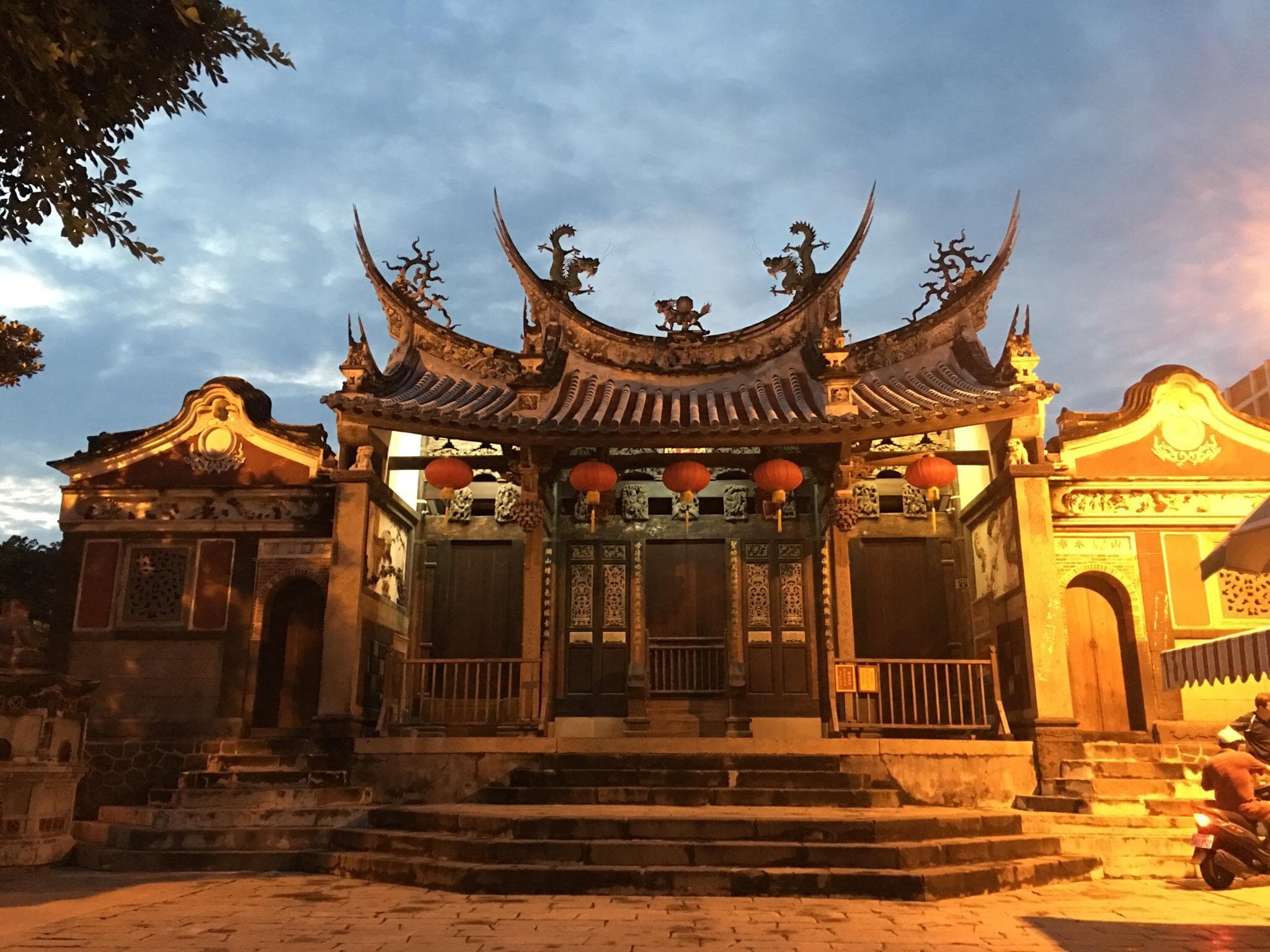
Guanyin Temple is one of Xindi's most significant Buddhist sites, dating back to the Ming Dynasty. The temple complex features traditional Chinese architecture with intricate wood carvings and multiple halls dedicated to Guanyin, the Buddhist goddess of mercy. Visitors can observe local worshippers, admire the ancient statues, and experience the peaceful atmosphere of this active religious site. The temple is most serene in the morning before crowds arrive, and a typical visit takes about two hours to fully appreciate the architecture and spiritual significance.
Guanyin Temple
Why Visit
This temple offers an authentic glimpse into Xindi's religious heritage and architectural history. As one of the city's oldest surviving structures, it provides cultural context for understanding local traditions and spiritual practices. The peaceful environment creates a romantic, contemplative atmosphere perfect for couples interested in history and culture.
Visit early to avoid tour groups and experience the temple at its most tranquil. Address: Near the intersection of Jiefang Road and Renmin Road in central Xindi.
2
Culinary Exploration and Market Culture
Day 2 of your journey
3
Architectural Heritage and Local Crafts
Day 3 of your journey
4
Cultural Synthesis and Farewell Experiences
Day 4 of your journey
Before You Go
Essential Travel Tips
Xindi uses Chinese Yuan (CNY). Credit cards are accepted at hotels and larger restaurants, but carry cash for markets and smaller establishments.
The local language is Mandarin Chinese with Xindi dialect variations. Basic English is understood at hotels and tourist sites, but learning a few Mandarin phrases is appreciated.
Public transportation includes buses that serve major areas. Taxis are affordable and readily available, but have your destination written in Chinese for drivers.
Xindi is generally safe with low crime rates. Exercise normal precautions with valuables in crowded areas like markets.
Dress modestly when visiting temples, covering shoulders and knees as a sign of respect in religious sites.
Tipping is not customary in China, but leaving small change or rounding up is acceptable in restaurants.
Drink bottled water rather than tap water. Most hotels provide complimentary bottled water daily.
Bargaining is expected in markets but not in established shops or restaurants. Approach with polite negotiation rather than aggressive haggling.
When to Go
Best Time to Visit
The best time to visit Xindi is during spring (April to May) and autumn (September to October) when temperatures are mild and comfortable for exploration. Spring brings pleasant weather with blooming flowers, while autumn offers clear skies and comfortable temperatures. Summer (June to August) can be hot and humid, though this is when some local festivals occur. Winter (December to February) is cold with occasional rain, but sees fewer tourists. Major Chinese holidays like Golden Week in October bring larger crowds and higher prices.
Local Insights & Tips
Xindi maintains traditional Chinese customs with particular emphasis on family values and respect for elders. The local culture blends historical traditions with modern development, creating a community that values both heritage and progress. When interacting with locals, polite greetings and modest behavior are appreciated. Meals are important social occasions, with sharing dishes being common practice. The pace of life is generally relaxed compared to larger Chinese cities. Xindi residents are typically friendly to visitors who show interest in their culture. Understanding basic dining etiquette, such as not sticking chopsticks upright in rice, shows cultural respect. The city has a growing awareness of tourism but remains authentically local rather than overly commercialized.