
4 DaysChina
Yushu
Your 4-day travel guide
The best time to visit Yushu is from May to September when temperatures are mildest and roads are most accessible. Summe...
Yushu•4D•All
Yushu, China
Duration:4 Days
Activities:12
Best for:All travelers
High Plateau Culture and Tibetan Flavors
Yushu, officially Yushu Tibetan Autonomous Prefecture in Qinghai Province, offers a profound cultural immersion in Tibetan traditions at high altitude. Located on the Tibetan Plateau at over 3,700 meters, this city serves as a spiritual and cultural center with deep religious significance. Visitors experience authentic Tibetan Buddhist practices, traditional architecture, and local cuisine in a setting surrounded by mountains. The 2010 earthquake led to significant rebuilding, creating a mix of restored historical sites and new developments. For couples interested in culture and food, Yushu provides intimate experiences through monastery visits, local markets, and scenic viewpoints that showcase this unique region's resilience and heritage.
Get Real Local Advice
Ask someone who actually lives in Yushu
1
Cultural Heritage and Spiritual Introduction
Day 1 of your journey
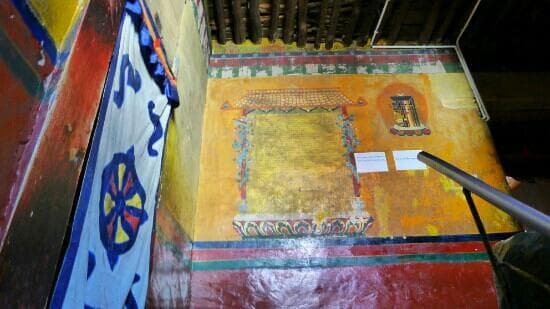
Gyegu Monastery is one of Yushu's most important Tibetan Buddhist sites, originally founded in the 15th century and rebuilt after the 2010 earthquake. This active monastery features traditional Tibetan architecture with prayer halls, stupas, and monk quarters. Visitors can observe daily rituals, see intricate murals and statues, and experience the peaceful atmosphere. The complex includes a large prayer wheel and offers views of the surrounding mountains. Allow about 2 hours to explore respectfully, with mornings being ideal for fewer crowds and active ceremonies.
Gyegu Monastery (Jiegu Si)
Why Visit
This monastery provides essential insight into Tibetan Buddhist practices and Yushu's spiritual identity. As a central religious site with historical significance, it offers authentic cultural immersion through architecture, art, and daily monastic life. The rebuilding efforts showcase local resilience, making it meaningful for understanding contemporary Yushu.
Dress modestly and walk clockwise around stupas and prayer wheels. Photography inside main halls may be restricted, so ask permission. Address: Central Yushu, near the main square.
2
Monastery Exploration and Local Markets
Day 2 of your journey
3
Mountain Views and Culinary Discovery
Day 3 of your journey
4
Local Life and Farewell Experiences
Day 4 of your journey
Before You Go
Essential Travel Tips
Acclimate to altitude gradually; Yushu is above 3,700 meters
Carry cash (Chinese Yuan) as credit cards have limited acceptance
Learn basic Tibetan phrases like 'Tashi delek' (hello) for goodwill
Dress in layers; temperatures change rapidly at high altitude
Respect religious sites: no photos inside main halls without permission
Drink plenty of water to combat altitude dryness
Use sunscreen; UV intensity is high on the plateau
Travel with passport; some areas require identification checks
When to Go
Best Time to Visit
The best time to visit Yushu is from May to September when temperatures are mildest and roads are most accessible. Summer months (June-August) offer warm days around 15-20°C (59-68°F) with cool nights, though afternoon rains are common. May and September provide pleasant weather with fewer tourists. Winter (November-March) is extremely cold with temperatures well below freezing and some road closures. October can be beautiful with autumn colors but nights become cold quickly. Major festivals like the Yushu Horse Racing Festival in July offer special cultural experiences but attract crowds.
Local Insights & Tips
Yushu is predominantly Tibetan with strong Buddhist traditions influencing daily life. Respect religious customs by walking clockwise around stupas and not pointing feet toward altars. Hospitality is important; accepting tea or food when offered shows respect. The local dialect is Kham Tibetan, though Mandarin is understood in tourist areas. Traditional dress is commonly worn, especially by older generations. Community events often involve religious ceremonies or festivals. Environmental consciousness is growing; avoid littering in natural areas. The 2010 earthquake remains significant in local memory, so sensitivity about this topic is appreciated. Bargaining at markets should be friendly rather than aggressive.