4 DaysCongo (Kinshasa)
Likasi
Your 4-day travel guide
Likasi has a tropical savanna climate with a dry season from May to September and a wet season from October to April. Th...
Likasi•4D•All
Likasi, Congo (Kinshasa)
Duration:4 Days
Activities:12
Best for:All travelers
Copper Heritage and Congolese Flavors
Likasi, located in the Haut-Katanga province of the Democratic Republic of Congo, is a city with a rich industrial history centered around copper mining. While not a typical tourist destination, it offers authentic insights into Congolese urban life and culture. For couples interested in culture and food, Likasi provides opportunities to explore local markets, sample regional cuisine, and understand the mining heritage that shaped the region. The city's atmosphere is more functional than decorative, with a focus on daily life rather than tourist attractions, making it a destination for travelers seeking genuine experiences off the beaten path.
Get Real Local Advice
Ask someone who actually lives in Likasi
1
Mining Heritage and Local Markets
Day 1 of your journey
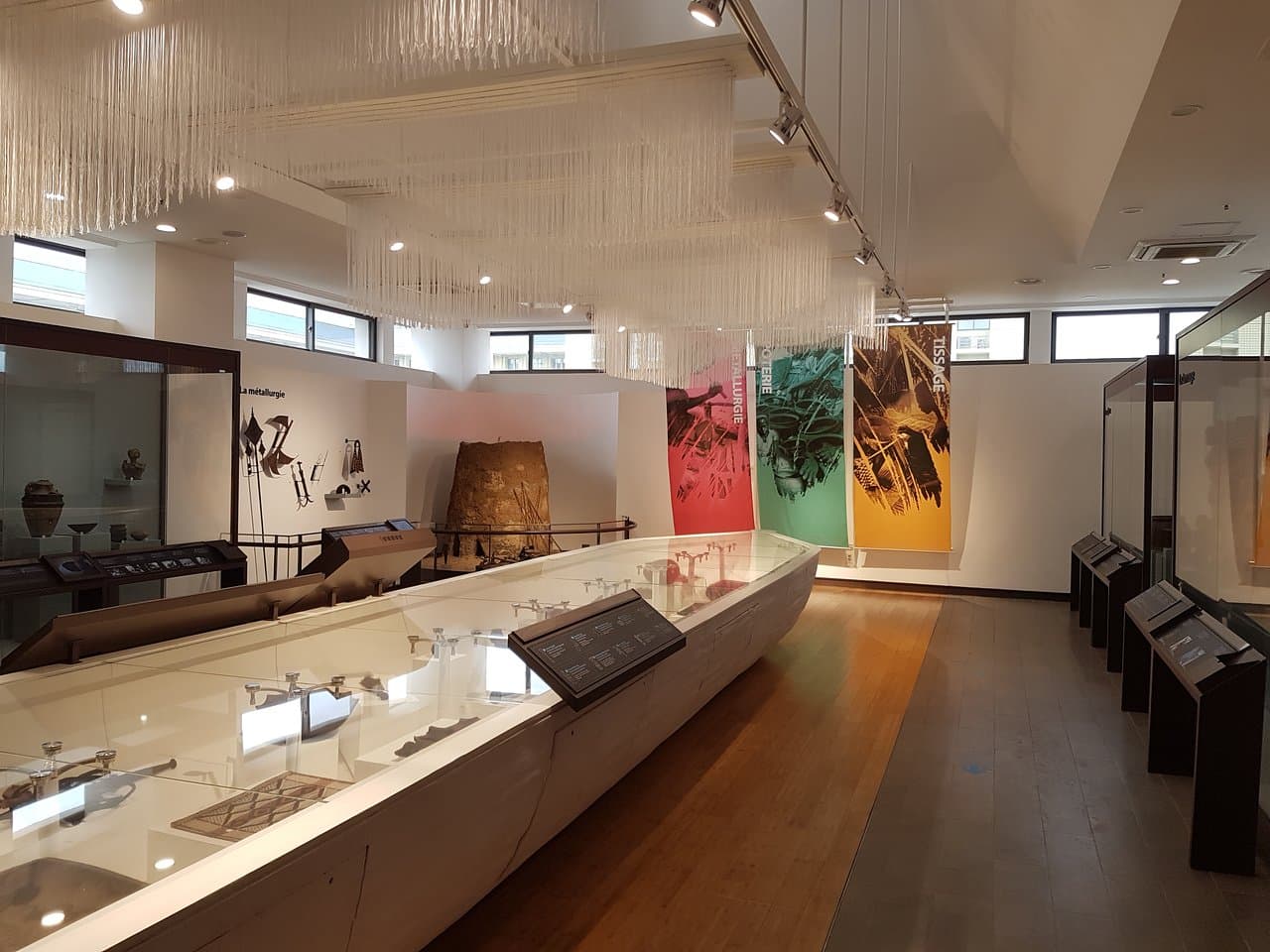
The Likasi Mining Museum offers insights into the copper mining industry that defines the region's economy and history. Visitors can see mining equipment, geological samples, and historical photographs documenting the industry's development. The museum provides context about how mining shaped Likasi's growth and community. Plan for about 1-2 hours to view the exhibits thoroughly. It's best visited in the morning when the museum is less crowded and the light is good for viewing displays.
Musée Minier de Likasi
Why Visit
This museum is essential for understanding Likasi's identity as a mining city. It provides cultural context about the industry that employs many residents and has influenced the region's development for decades. For couples interested in culture, it offers a factual foundation about what makes Likasi distinct from other Congolese cities.
Address: Near the city center. Check opening hours in advance as they can vary. Local guides sometimes offer more detailed explanations if arranged beforehand.
2
Urban Exploration and Local Cuisine
Day 2 of your journey
3
Regional Food and Local Crafts
Day 3 of your journey
4
Community Spaces and Farewell Meal
Day 4 of your journey
Before You Go
Essential Travel Tips
Use Congolese francs (CDF) for all transactions—US dollars are not widely accepted in daily commerce.
French is the official language; learning basic phrases like 'bonjour' (hello) and 'merci' (thank you) is appreciated.
Transport within Likasi is mainly by taxi or walking—negotiate taxi fares before getting in.
Dress modestly, especially when visiting religious sites or residential areas.
Drink only bottled or purified water to avoid health issues.
Carry cash as credit cards are rarely accepted outside major hotels.
Be respectful when taking photos of people—always ask permission first.
Likasi is generally safe during daylight hours, but avoid walking alone at night in unfamiliar areas.
When to Go
Best Time to Visit
Likasi has a tropical savanna climate with a dry season from May to September and a wet season from October to April. The dry season offers more comfortable travel conditions with less rainfall and lower humidity. Temperatures are warm year-round, typically ranging from 18°C to 30°C (64°F to 86°F). June through August are particularly pleasant with cooler nights. The wet season can make some roads muddy and outdoor activities less predictable. Cultural events and daily life continue throughout the year, so visit timing depends mainly on weather preference.
Local Insights & Tips
Likasi is a working city focused on mining and commerce rather than tourism. Residents are generally friendly but may be surprised to see foreign visitors, so approach interactions with patience and respect. The pace of life is steady rather than hurried. Meals are important social times, with lunch being the main meal. Handshakes are common greetings. While French is official, many speak Swahili or other local languages in daily life. Tipping is not expected but appreciated for good service. Likasi has limited tourist infrastructure, so flexibility and realistic expectations enhance the experience. The city shows authentic Congolese urban life without tourist adaptations.