
4 DaysCôte d’Ivoireprovince
Sassandra-marahoué
Your 4-day travel guide
The best time to visit Sassandra-Marahoué is during the dry season, from November to March. During these months, rainfal...
Sassandra-marahoué•4D•All
Sassandra-marahoué, Côte d’Ivoire
Duration:4 Days
Activities:12
Best for:All travelers
Cacao, Culture, and Colonial Echoes
Sassandra-Marahoué, located in west-central Ivory Coast, offers a rich blend of agricultural heritage, traditional culture, and historical layers. As a major cacao-producing region, its landscape is dotted with plantations and farming communities. The area features the Marahoué National Park, one of the country's important protected areas, and towns that reflect both pre-colonial traditions and French colonial history. This itinerary explores the region's authentic character through its markets, local cuisine, and cultural sites, providing a genuine experience of Ivorian life beyond the coastal cities. It's an opportunity to connect with the rhythms of rural West Africa.
Get Real Local Advice
Ask someone who actually lives in Sassandra-marahoué
1
Arrival and Bouaflé Introduction
Day 1 of your journey
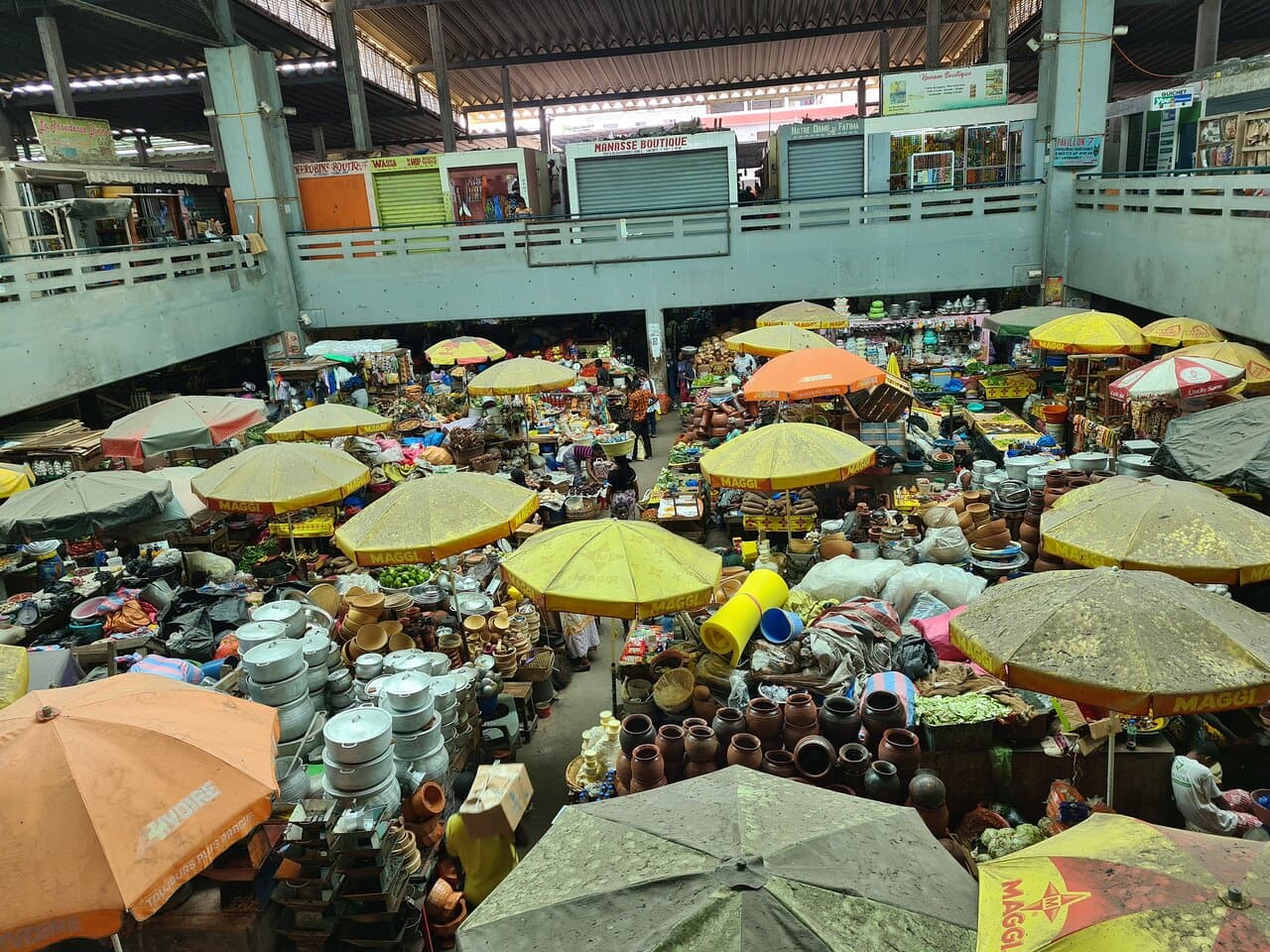
The central market is the commercial heart of Bouaflé, offering a lively introduction to local life. You'll find fresh produce, including regional specialties like yams, plantains, and local spices. Artisans sell traditional fabrics and crafts. The market operates daily, with mornings being most active. Plan about 1-2 hours to wander through the stalls, observe daily transactions, and perhaps purchase some snacks. It's a sensory experience with vibrant colors and aromas, providing insight into the local economy and food culture.
Marché Central de Bouaflé
Why Visit
This market offers an authentic glimpse into daily life in a regional Ivorian town. It's where locals shop for essentials, making it a genuine cultural experience rather than a tourist attraction. You can see the agricultural bounty of the region firsthand and interact with vendors. For a couple, it's a relaxed way to start your trip, observing local rhythms together and perhaps finding unique local items.
Visit in the late morning when the market is fully operational but not at its most crowded peak. Be prepared for a lively atmosphere and have small CFA franc bills for purchases. Address: Central Bouaflé, near the main transportation hub.
2
Cultural Heritage in Daloa
Day 2 of your journey
3
Nature and Tranquility near Marahoué Park
Day 3 of your journey
4
Rural Life and Departure
Day 4 of your journey
Before You Go
Essential Travel Tips
The local currency is the West African CFA franc (XOF). Carry cash, as credit cards are rarely accepted outside major hotels in cities like Daloa.
French is the official language. Learning basic French phrases (greetings, please, thank you) is very helpful, as English is not widely spoken.
Dress modestly, especially when visiting rural communities or markets. Lightweight, breathable clothing is recommended due to the tropical climate.
Drink bottled or purified water. Avoid tap water and be cautious with raw fruits and vegetables unless peeled.
Use registered taxis or arrange transportation through your accommodation. Public transport between towns can be crowded and irregular.
Health precautions: Consider malaria prophylaxis, use insect repellent, and ensure your yellow fever vaccination is up to date (required for entry).
Bargaining is common in markets, but do so politely. Start at about half the asking price and negotiate with a smile.
Electricity outages can occur. Carry a power bank for devices and a flashlight.
When to Go
Best Time to Visit
The best time to visit Sassandra-Marahoué is during the dry season, from November to March. During these months, rainfall is minimal, roads are more passable, and humidity is lower, making outdoor activities and travel more comfortable. The harmattan wind from the Sahara can bring dusty haze from December to February, but it usually doesn't disrupt travel. The rainy season, from April to October, sees heavy downpours that can make rural roads muddy and less accessible, and increase mosquito activity. Temperatures are consistently warm year-round, averaging 25-30°C (77-86°F).
Local Insights & Tips
Sassandra-Marahoué is culturally diverse, with the Bété people being prominent, alongside other groups like the Gouro and Dida. Respect for elders and community is important. Greetings are essential; always say 'Bonjour' (good day) when entering a shop or starting a conversation. The region's economy revolves around agriculture, particularly cacao, coffee, and food crops, so discussions about farming are appreciated. In villages, it's polite to ask permission before taking photographs of people. Meals are often communal, and sharing food is a sign of hospitality. The pace of life is generally slower than in Abidjan; patience is valued. Religious practices include Christianity, Islam, and traditional beliefs, often coexisting.