4 DaysCroatia
Zagreb
Your 4-day travel guide
The best times to visit Zagreb are late spring (May to June) and early autumn (September to October). During these perio...
Zagreb•4D•All
Zagreb, Croatia
Duration:4 Days
Activities:12
Best for:All travelers
Cobblestones, Coffee Culture, and Croatian Charm
Zagreb, Croatia's capital, is a city of layered history and Central European elegance. It combines the medieval charm of its Upper Town with the 19th-century grandeur of the Lower Town, creating a walkable urban center perfect for discovery. For couples seeking culture and food, Zagreb offers a compelling mix of world-class museums, historic churches, vibrant markets, and a thriving café society. The city's compact size allows for intimate exploration of its parks, galleries, and traditional restaurants, where local ingredients and Austro-Hungarian influences create a distinctive culinary scene.
Get Real Local Advice
Ask someone who actually lives in Zagreb
1
Historic Heart and Market Life
Day 1 of your journey
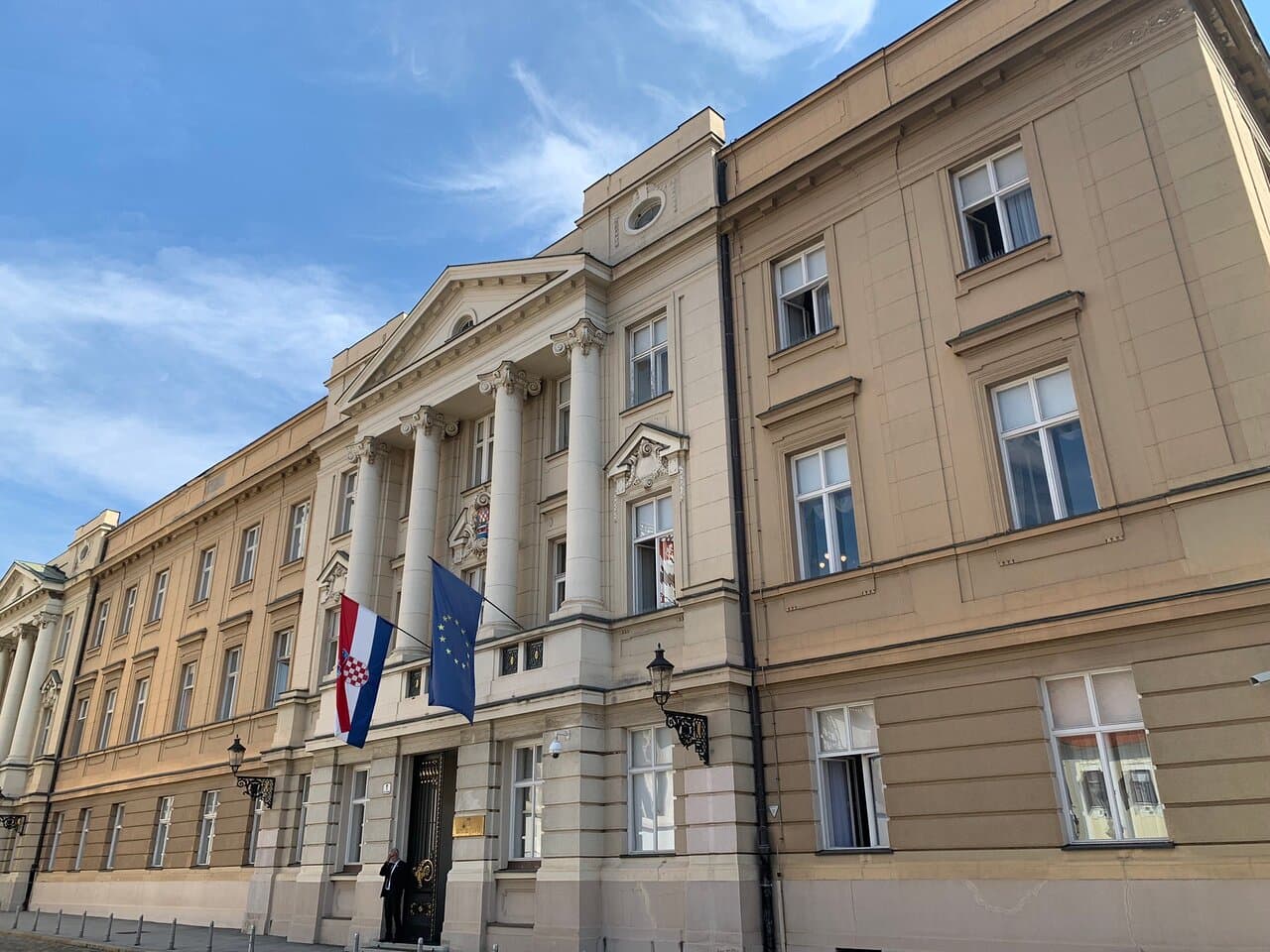
Start your trip in Zagreb's historic core, Gradec. This hilltop district is a network of cobblestone streets, Baroque palaces, and medieval churches. Key sights include St. Mark's Church with its iconic tiled roof, the Croatian Parliament building, and the Stone Gate, a shrine and city gate. Walking here feels like stepping back in time, with views over the red rooftops of the Lower Town. Allow a relaxed pace to appreciate the architecture and quiet courtyards.
Gradec (Gornji Grad)
Why Visit
Gradec is the historic and political center of Zagreb, offering the most complete picture of the city's medieval origins and later architectural layers. It provides a romantic, atmospheric setting for a couple to wander, with significant landmarks like St. Mark's Church and intimate views that define the city's character.
Address: Access via the funicular from Tomićeva Street or the stairs near the Stone Gate. Visit the Lotrščak Tower at noon to hear the Grič Cannon fired, a tradition dating back to the 19th century.
2
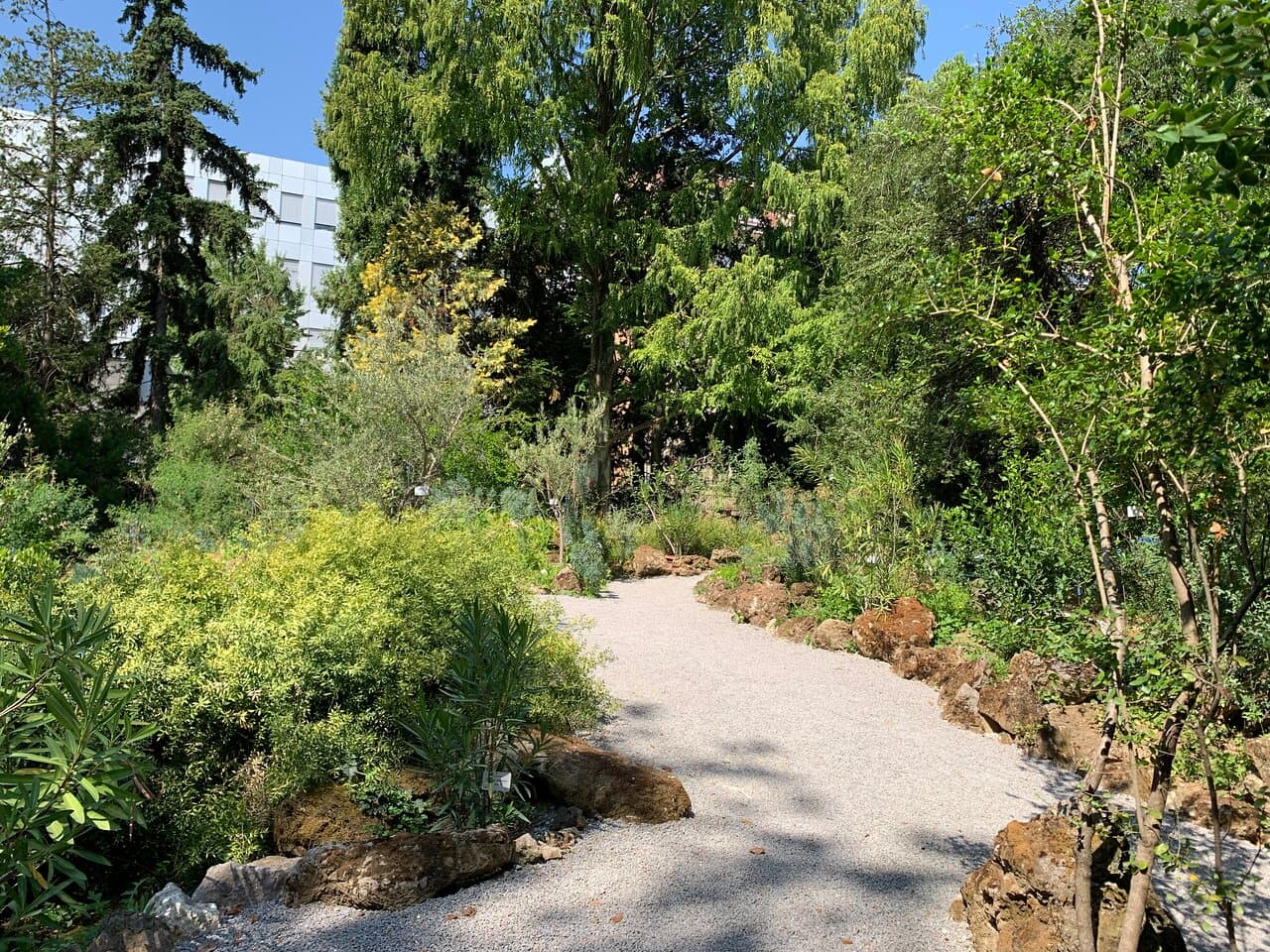
Museums and Green Spaces
Day 2 of your journey
3
Art, Architecture, and Evening Dining
Day 3 of your journey
4
Local Life and Culinary Souvenirs
Day 4 of your journey
Before You Go
Essential Travel Tips
The local currency is the Croatian Kuna (HRK). Euros are sometimes accepted but not universally; it's best to have Kunas.
Zagreb has an efficient tram network. Buy a prepaid 'ZET' card from kiosks for multiple rides; validate it on board.
Most locals, especially in hospitality, speak good English. Learning basic greetings like 'hvala' (thank you) is appreciated.
Zagreb is generally very safe for walking, even at night, in the central areas.
Tipping is customary in restaurants; round up the bill or leave 10% for good service.
Many museums are closed on Mondays. Always check opening hours online before visiting.
Wear comfortable walking shoes, as the city's cobblestone streets and hills require them.
Tap water is safe to drink throughout Croatia.
When to Go
Best Time to Visit
The best times to visit Zagreb are late spring (May to June) and early autumn (September to October). During these periods, the weather is mild and pleasant, ideal for walking and outdoor cafes, with average temperatures between 15°C and 25°C. Summer (July-August) can be warm and more crowded, while winter (December-February) is cold but festive, with the famous Advent market. Spring and autumn offer a good balance of comfortable conditions and fewer tourists.
Local Insights & Tips
Zagreb has a distinct Central European character, with a culture centered around coffee and conversation. Spending hours at a café (kavana) is a social ritual. The city is formal yet friendly; a polite demeanor is valued. Neighborhoods have strong identities: the Upper Town is historic and quiet, the Lower Town is grand and commercial, and areas like Martićeva are trendy and residential. Food reflects this mix, with Austro-Hungarian influences like štrukli alongside Mediterranean flavors. Sundays are quiet, with many shops closed, making it a good day for park visits or museum trips.