4 DaysDenmarkprovince
Syddanmark
Your 4-day travel guide
The ideal time to visit Syddanmark is from May to September when temperatures are mild (15-22°C), days are long, and mos...
Syddanmark•4D•All
Syddanmark, Denmark
Duration:4 Days
Activities:12
Best for:All travelers
Castles, Coastlines, and Culinary Delights
Syddanmark, the southern region of Denmark, offers a perfect blend of rich history, stunning natural beauty, and exceptional cuisine. This itinerary explores the region's highlights, from the historic city of Odense, birthplace of Hans Christian Andersen, to the charming coastal towns of Svendborg and Ærøskøbing. You'll experience world-class museums, beautifully preserved castles, and a food scene that celebrates local produce and traditional Danish dishes. The region's compact size makes it easy to explore, with efficient transport connecting its diverse attractions. This journey is designed for couples seeking cultural depth and memorable dining experiences in a relaxed, scenic setting.
Get Real Local Advice
Ask someone who actually lives in Syddanmark
1
Fairy Tales and Fine Dining in Odense
Day 1 of your journey
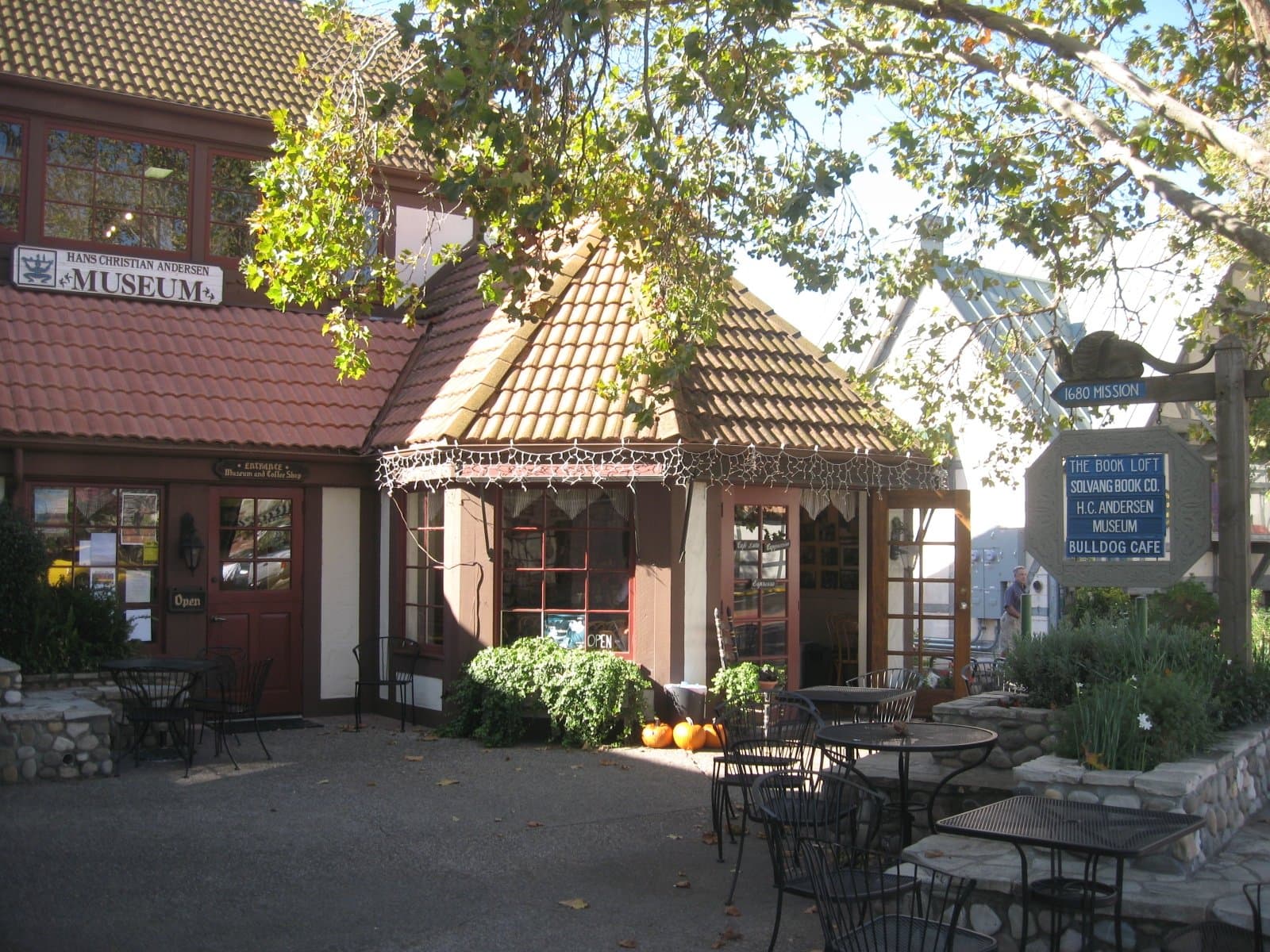
This modern museum, opened in 2021, offers an immersive journey into the life and works of Denmark's famous storyteller. Through interactive exhibits, original manuscripts, and personal artifacts, you'll discover Andersen's creative process and lasting legacy. The museum is designed to engage all senses, making it a captivating experience. Plan to spend about 2-3 hours here to fully appreciate the exhibits. It's located in the heart of Odense's historic district, making it easy to combine with other city sights.
Hans Christian Andersen Museum
Why Visit
As the birthplace of Hans Christian Andersen, Odense is the definitive place to understand his influence. The museum provides deep cultural insight into Danish literature and 19th-century life. For couples, it offers a thoughtful, shared experience exploring creativity and storytelling. The modern presentation makes history accessible and engaging, far beyond traditional museum displays.
Book tickets online in advance to skip queues, especially during summer. Address: Bangs Boder 29, 5000 Odense. Combine your visit with a stroll through the adjacent childhood home museum for a complete picture of Andersen's early life.
2
Island Hopping and Maritime History
Day 2 of your journey
3
Royal Castles and Coastal Beauty
Day 3 of your journey
4
Viking Heritage and Farewell Feasts
Day 4 of your journey
Before You Go
Essential Travel Tips
Denmark uses the Danish krone (DKK), though many places accept credit cards. Carry some cash for small purchases.
Public transportation is excellent. Consider purchasing a Rejsekort travel card for buses and trains if staying multiple days.
Most Danes speak excellent English, but learning basic Danish phrases like 'tak' (thank you) is appreciated.
Tipping is not expected as service charges are included, but rounding up or leaving 10% for exceptional service is welcome.
The weather can change quickly. Pack layers and a waterproof jacket even in summer.
Museum entry fees typically range from 80-150 DKK per person. Many offer combined tickets or discounts for couples.
Restaurant reservations are recommended, especially for dinner at popular establishments.
Syddanmark is generally very safe, but normal precautions with valuables in tourist areas apply.
When to Go
Best Time to Visit
The ideal time to visit Syddanmark is from May to September when temperatures are mild (15-22°C), days are long, and most attractions are fully operational. July and August are peak tourist months with more crowds but also more events and longer opening hours. Spring (April-May) offers blooming landscapes and fewer visitors, though some seasonal attractions may not yet be open. Autumn (September-October) provides beautiful foliage and harvest-related food experiences, with cooling temperatures. Winter has limited hours at many attractions but offers cozy indoor experiences and Christmas markets in December.
Local Insights & Tips
Syddanmark has a distinct regional identity within Denmark, with pride in local traditions, dialects, and products. The pace is generally slower than Copenhagen, with emphasis on quality of life. Danes value 'hygge' (coziness and comfortable conviviality), which you'll experience in cafes and restaurants. Punctuality is important for reservations and tours. When dining, it's customary to say 'velbekomme' (you're welcome) after someone says 'tak for mad' (thanks for the food). The region has strong maritime traditions reflected in food, festivals, and local pride. Environmental consciousness is high, with emphasis on local sourcing and sustainability in both restaurants and attractions.