4 DaysDominican Republic
Santo Domingo Este
Your 4-day travel guide
The optimal time to visit Santo Domingo Este is during the dry season from December to April, when rainfall is minimal a...
Santo Domingo Este•4D•All
Santo Domingo Este, Dominican Republic
Duration:4 Days
Activities:12
Best for:All travelers
Colonial Flavors and Caribbean Rhythms
Santo Domingo Este offers a distinct perspective on Dominican life, blending residential neighborhoods with cultural landmarks and authentic local experiences. As the eastern extension of the capital across the Ozama River, this area provides a more relaxed atmosphere while remaining connected to the historic core. You'll discover local markets, community-focused attractions, and culinary spots that showcase everyday Dominican culture. For couples interested in food and heritage, this itinerary explores the genuine character of the city beyond the typical tourist path, with opportunities to connect with local traditions and flavors.
Get Real Local Advice
Ask someone who actually lives in Santo Domingo Este
1
Cultural Heritage and Local Markets
Day 1 of your journey
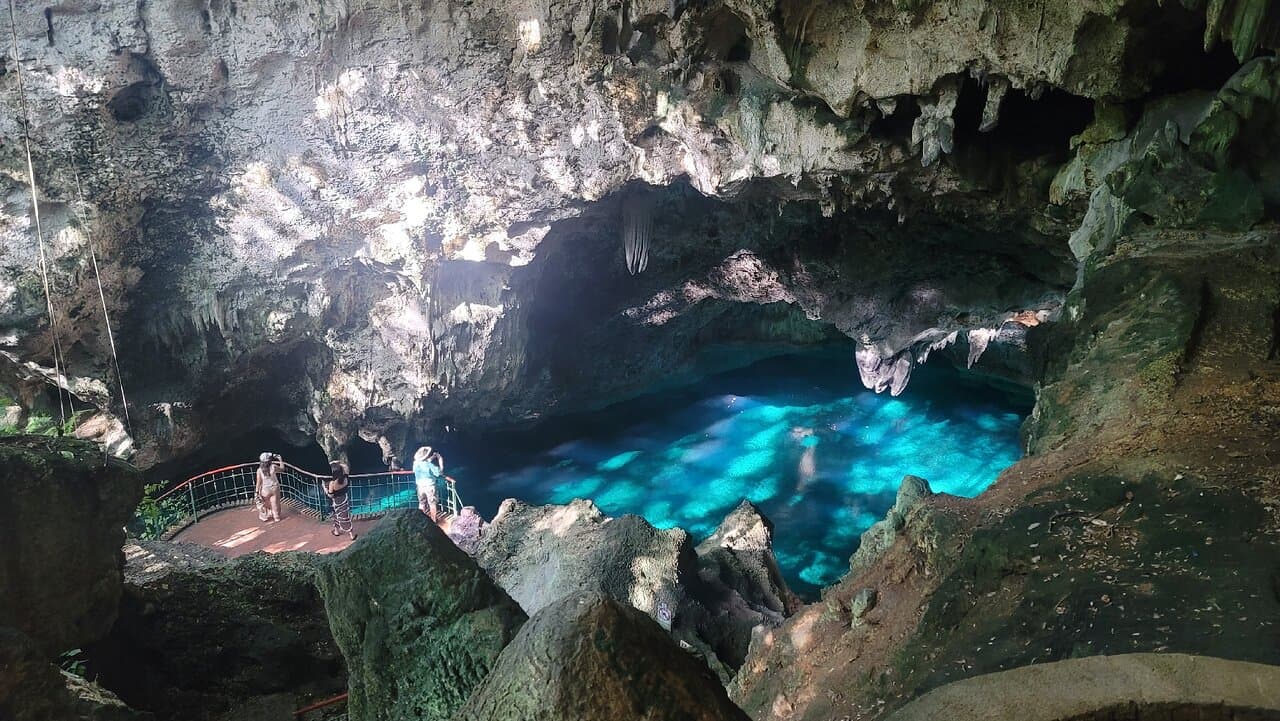
Los Tres Ojos is a series of limestone caves with four crystal-clear freshwater lakes, located within a protected park. Visitors descend into the caves via stairs to explore the underground chambers and walkways that connect the different lakes. The name 'Three Eyes' refers to three of the lakes visible from the surface, with a fourth discovered later. The park offers guided tours explaining the geological formations and indigenous Taino history. Plan for about two hours to fully explore all areas, with morning visits recommended to avoid larger crowds.
Los Tres Ojos National Park
Why Visit
This natural wonder provides a unique geological experience within the city, showcasing underground lakes and caves that hold cultural significance. The site offers a cool retreat from the tropical heat while connecting visitors to the island's natural history. For couples, the dramatic scenery creates memorable photo opportunities and a shared sense of discovery in this unusual urban oasis.
Wear comfortable shoes with good traction as the stone steps can be slippery. Bring a small flashlight to better see the cave details beyond the installed lighting. Address: Avenida Las Americas, near the Mirador del Este park.
2
Culinary Exploration and Local Life
Day 2 of your journey
3
Historical Sites and Evening Culture
Day 3 of your journey
4
Local Neighborhoods and Farewell Flavors
Day 4 of your journey
Before You Go
Essential Travel Tips
Use Uber or authorized taxis for transportation rather than unmarked cars for safety and reliable pricing
Carry Dominican pesos for local markets and smaller establishments, though many restaurants accept credit cards
Learn basic Spanish phrases as English is less commonly spoken in Santo Domingo Este than tourist areas
Dress respectfully when visiting religious or cultural sites, covering shoulders and knees
Stay hydrated and use sunscreen as the Caribbean sun is strong year-round
Be cautious with street food; choose busy vendors with high turnover for freshness
Keep valuables secure and avoid displaying expensive jewelry or electronics in public
Check opening hours in advance as some attractions may close unexpectedly or have limited weekend hours
When to Go
Best Time to Visit
The optimal time to visit Santo Domingo Este is during the dry season from December to April, when rainfall is minimal and temperatures are warm but comfortable. This period avoids the hurricane season that peaks from August to October. December through February offers the most pleasant weather with lower humidity. The summer months from May to November are hotter and more humid with increased chance of afternoon showers, though these are typically brief. Cultural festivals occur throughout the year, with Carnival celebrations in February providing particularly vibrant experiences.
Local Insights & Tips
Santo Domingo Este has a residential character distinct from the more tourist-focused Colonial Zone across the river. Daily life follows Caribbean rhythms, with slower paces during midday heat and increased social activity in evenings. Dominican culture values personal connections, so polite greetings and patience in interactions are appreciated. Music, particularly merengue and bachata, forms a constant backdrop to public life. Family and community are central to social structures, visible in multi-generational gatherings and neighborhood interactions. Food serves as social glue, with shared meals being important occasions. While Spanish is the primary language, many residents understand basic English in service contexts.