4 DaysEgypt
Al Manşūrah
Your 4-day travel guide
The optimal time to visit Al Mansurah is during the cooler months from October to April. During this period, daytime tem...
Al Manşūrah•4D•All
Al Manşūrah, Egypt
Duration:4 Days
Activities:12
Best for:All travelers
Nile Views and Historic Streets
Al Manşūrah, located in Egypt's Nile Delta region, offers a compelling blend of historical significance and authentic Egyptian urban life. As the capital of Dakahlia Governorate, this city played a crucial role in Egyptian history, most notably as the site of the Battle of Al Mansurah during the Seventh Crusade. Today, visitors experience a working Egyptian city with a rich cultural heritage, traditional markets, and local cuisine that reflects the agricultural bounty of the Delta region. The city's position along the Damietta branch of the Nile provides scenic river views and a slower pace than Egypt's major tourist hubs, making it ideal for couples seeking cultural immersion.
Get Real Local Advice
Ask someone who actually lives in Al Manşūrah
1
Historical Foundations
Day 1 of your journey
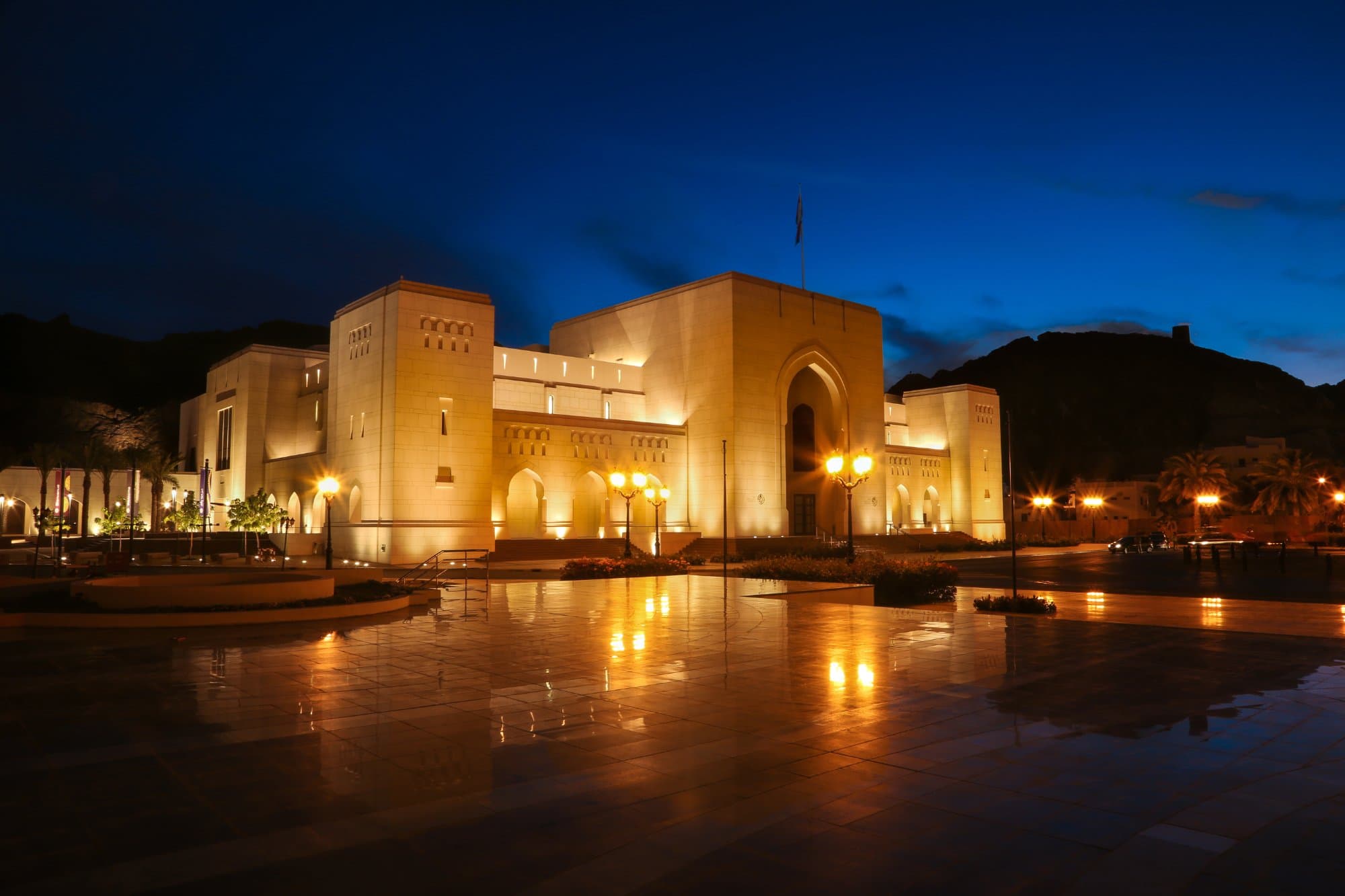
This museum houses artifacts from Al Mansurah's significant history, particularly focusing on the Battle of Al Mansurah in 1250 during the Seventh Crusade. Visitors will see medieval weapons, historical documents, and displays explaining the city's strategic importance. The collection provides context for understanding Egypt's medieval period. Plan for about 90 minutes to explore the exhibits thoroughly. The museum is typically less crowded in the morning, allowing for a more relaxed viewing experience.
Al Mansurah National Museum
Why Visit
This museum offers essential historical context about Al Mansurah's pivotal role in Egyptian and Crusader history. For couples interested in culture, it provides a foundation for understanding the city's significance beyond its modern appearance. The exhibits are well-curated and offer insights not typically found in guidebooks about Egypt's Delta region.
Address: Al Gomhouria Street. Ask staff about the specific artifacts related to Louis IX's capture; some items have interesting stories not fully explained in English displays.
2
Cultural Immersion and Markets
Day 2 of your journey
3
Academic Culture and Local Dining
Day 3 of your journey
4
Local Life and Farewell Flavors
Day 4 of your journey
Before You Go
Essential Travel Tips
Arabic is the primary language; learning basic phrases like 'shukran' (thank you) is appreciated
Egyptian pounds (EGP) are the local currency; cash is preferred in markets and smaller establishments
Dress modestly, especially when visiting religious sites—shoulders and knees should be covered
Taxis are the main transport within the city; agree on fares before starting journeys
Tap water is not recommended for drinking; bottled water is widely available
Friday is the weekly holiday when some businesses close or have reduced hours
Bargaining is expected in markets but not in restaurants or fixed-price shops
Summer months (June-August) can be very hot and humid; plan indoor activities for midday
When to Go
Best Time to Visit
The optimal time to visit Al Mansurah is during the cooler months from October to April. During this period, daytime temperatures range from 20-25°C (68-77°F), making outdoor exploration comfortable. The winter months (December-February) see the mildest weather, though occasional rain can occur. Spring (March-April) offers pleasant conditions with blooming vegetation. Summer months (May-September) bring high heat and humidity, with temperatures often exceeding 35°C (95°F), which can make extensive walking uncomfortable. Religious holidays like Ramadan affect business hours and dining availability.
Local Insights & Tips
Al Mansurah functions as a working Egyptian city rather than a tourist destination, offering authentic cultural experiences. The pace is generally slower than in Cairo, with more emphasis on community and traditional values. Family plays a central role in social life, and you'll notice strong intergenerational connections in public spaces. Hospitality is important—locals may offer tea or assistance to visitors. The city has a conservative character influenced by its Delta location and Islamic traditions. Friday prayers significantly affect business hours, with many shops closing between noon and mid-afternoon. Food culture emphasizes fresh, local ingredients from the fertile Delta region, with meals serving as important social occasions.