4 DaysEgypt
Shibīn Al Qanāţir
Your 4-day travel guide
The most comfortable time to visit Shibīn al Qanāţir is during the cooler months from October to April, when daytime tem...
Shibīn Al Qanāţir•4D•All
Shibīn Al Qanāţir, Egypt
Duration:4 Days
Activities:12
Best for:All travelers
Nile Delta Flavors and Rural Egyptian Life
Shibīn al Qanāţir is a city in Egypt's Qalyubia Governorate, located in the fertile Nile Delta region north of Cairo. Known for its agricultural significance and traditional Egyptian character, it offers an authentic glimpse into daily life away from major tourist hubs. The city combines historical elements with modern Egyptian culture, featuring local markets, traditional eateries, and community landmarks. For travelers seeking genuine Egyptian experiences beyond the pyramids and temples, Shibīn al Qanāţir provides opportunities to explore regional cuisine, observe agricultural practices, and engage with local residents in a less commercialized setting.
Get Real Local Advice
Ask someone who actually lives in Shibīn Al Qanāţir
1
Cultural Introduction and Local Markets
Day 1 of your journey
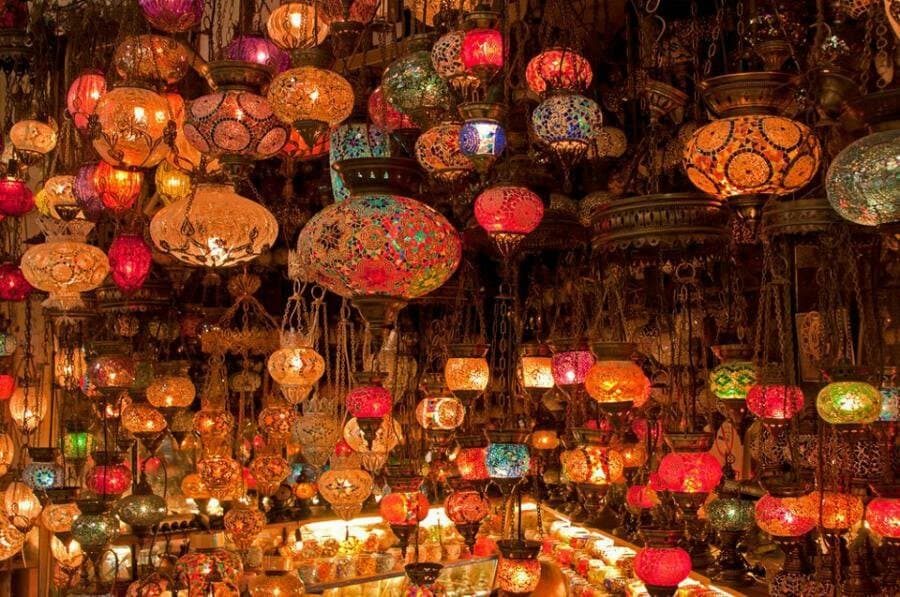
Begin your visit at the city's main market area, where vendors sell fresh produce, household goods, and local products. This traditional Egyptian market operates daily, with peak activity in the morning. You'll see seasonal fruits and vegetables from the Nile Delta region, along with spices, textiles, and everyday items. The market provides insight into local commerce and daily life. Allow about 2 hours to walk through the main sections, observing transactions and possibly purchasing some fresh dates or local snacks. Mornings are best for the freshest produce and most active atmosphere.
Shibīn al Qanāţir Market District
Why Visit
This market offers an authentic look at Egyptian daily commerce in a regional city. Unlike tourist-oriented bazaars in Cairo, this is where locals shop for their daily needs. You'll see the agricultural bounty of the Nile Delta region firsthand and can observe traditional market interactions. The experience connects you directly with the rhythms of local life and provides opportunities to sample fresh regional produce.
Address: Central market area near El-Galaa Street. Carry small Egyptian pound notes for purchases, as many vendors prefer cash. Be prepared for crowded conditions and negotiate politely if buying non-food items.
2
Agricultural Heritage and Local Cuisine
Day 2 of your journey
3
Community Life and Evening Dining
Day 3 of your journey
4
Local Crafts and Departure Preparation
Day 4 of your journey
Before You Go
Essential Travel Tips
Egyptian pounds are essential for most transactions; carry small denominations for markets and street food
Arabic is the primary language; learning basic greetings like 'salaam alaikum' (peace be upon you) is appreciated
Dress modestly, particularly when visiting religious sites or conservative areas
Public transportation options are limited; consider arranging private transportation or taxis for longer distances
Tap water is not drinkable; purchase bottled water from shops or supermarkets
Friday is the weekly holiday when some businesses may close or have reduced hours
Bargaining is expected in markets but not in restaurants with fixed prices
Carry tissues or toilet paper as public restrooms may not provide them
When to Go
Best Time to Visit
The most comfortable time to visit Shibīn al Qanāţir is during the cooler months from October to April, when daytime temperatures range from 20-25°C (68-77°F). Summer months from May to September can be extremely hot, with temperatures often exceeding 35°C (95°F) and high humidity. Winter months (December-February) are mild but can have cooler evenings. Rainfall is minimal throughout the year, but occasional showers may occur in winter. Consider that major Egyptian holidays like Ramadan affect business hours and availability of services during daylight hours.
Local Insights & Tips
Shibīn al Qanāţir reflects traditional Egyptian provincial life with strong community ties and conservative social norms. Family relationships are central to social organization, and multigenerational households are common. Islam influences daily rhythms through prayer times and weekly Friday congregational prayers. Hospitality is valued, and visitors may be offered tea or refreshments as a gesture of welcome. The pace of life is generally slower than in Cairo, with afternoon breaks common during hotter hours. While not a tourist destination, residents are typically courteous to respectful visitors. The city's economy revolves around agriculture, government services, and small-scale commerce rather than tourism.