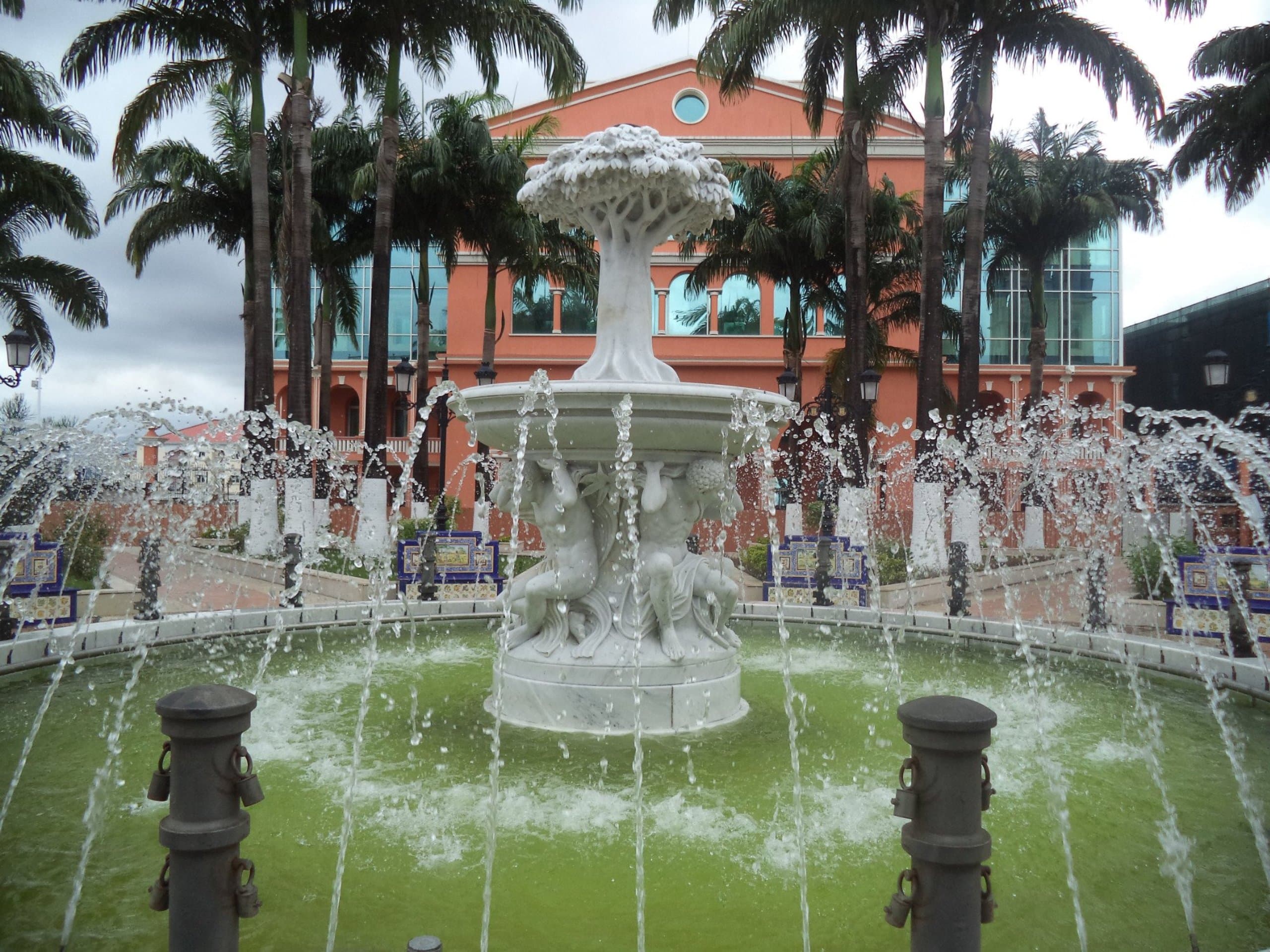
4 DaysEquatorial Guineacountry
Equatorial Guinea
Your 4-day travel guide
Equatorial Guinea has a tropical climate with distinct dry and wet seasons. The best time to visit is during the dry sea...
Equatorial Guinea•4D•All
Equatorial Guinea, Equatorial Guinea
Duration:4 Days
Activities:12
Best for:All travelers
Equatorial Guinea's Cultural Tapestry and Culinary Delights
Equatorial Guinea offers a unique blend of African, Spanish, and indigenous cultures across its mainland and island territories. As one of Africa's smallest countries, it presents travelers with dense rainforests, volcanic landscapes, and colonial architecture. This itinerary explores the country's cultural heritage through museums, traditional villages, and local markets while savoring the fusion of Spanish and African cuisines. From the capital's urban energy to Bioko Island's natural wonders, discover a destination where history and tradition create memorable experiences for couples seeking authentic cultural immersion.
Get Real Local Advice
Ask someone who actually lives in Equatorial Guinea
1
Urban Exploration and Cultural Introduction
Day 1 of your journey
This museum provides comprehensive insight into the country's history, from pre-colonial times through Spanish rule to independence. Exhibits include traditional Fang and Bubi artifacts, colonial-era documents, and contemporary art. The collection showcases masks, musical instruments, and ceremonial objects that reveal indigenous cultural practices. Plan for about two hours to explore the well-organized displays that offer context for understanding Equatorial Guinea's complex heritage.
Museo Nacional de Guinea Ecuatorial
Why Visit
As the country's primary cultural institution, this museum offers essential background for understanding Equatorial Guinea's diverse ethnic groups and colonial history. The artifacts provide tangible connections to traditions that continue to influence modern society, making it an ideal starting point for cultural exploration.
Address: Calle de Argelia, Malabo. Guides are available for detailed explanations of exhibits. Photography may require permission, so ask at the entrance.
2
Island Nature and Traditional Culture
Day 2 of your journey
3
Mainland Exploration and Market Culture
Day 3 of your journey
4
Coastal Culture and Departure
Day 4 of your journey
Before You Go
Essential Travel Tips
Obtain a visa in advance through an Equatoguinean embassy, as visa-on-arrival options are limited
The official currency is the Central African CFA franc (XAF), though US dollars and euros are sometimes accepted in tourist areas
Spanish and French are official languages, but Fang and other indigenous languages are widely spoken
Carry photocopies of your passport and visa, as police may request identification
Dress modestly, especially when visiting religious sites or traditional villages
Drink only bottled or purified water to avoid waterborne illnesses
Malaria prophylaxis is recommended for travel to Equatorial Guinea
Respect photography restrictions, especially around government buildings and military installations
When to Go
Best Time to Visit
Equatorial Guinea has a tropical climate with distinct dry and wet seasons. The best time to visit is during the dry season from December to February, when rainfall is minimal and temperatures are slightly cooler. The short dry period in June and July also offers favorable conditions. Avoid the heavy rainy seasons from March to May and September to November, when downpours can disrupt travel plans and make some roads impassable. Humidity remains high year-round, but the dry seasons provide the most comfortable conditions for exploration.
Local Insights & Tips
Equatorial Guinea's culture reflects its complex history of indigenous traditions, Spanish colonization, and modern African identity. Respect for elders and community values remains important across ethnic groups. When visiting villages, it's customary to greet the chief or elder first. The country has a mix of Christian and indigenous religious practices, with many people blending elements of both. In urban areas, Spanish cultural influences are evident in language, architecture, and some customs, while rural areas maintain stronger traditional practices. Tipping is not expected but appreciated for good service. Bargaining is common in markets but should be done respectfully. Public displays of affection should be modest, especially in conservative areas.