
4 DaysEthiopiaprovince
Yedebub Bihēroch Bihēreseboch Na Hizboch
Your 4-day travel guide
The best time to visit the SNNPR is during the dry season, from October to March. During these months, roads are more pa...
Yedebub Bihēroch Bihēreseboch Na Hizboch•4D•All
Yedebub Bihēroch Bihēreseboch Na Hizboch, Ethiopia
Duration:4 Days
Activities:12
Best for:All travelers
Ancient Kingdoms and Culinary Traditions
YeDebub Bihēroch Bihēreseboch na Hizboch, also known as the Southern Nations, Nationalities, and Peoples' Region (SNNPR), is one of Ethiopia's most culturally diverse and historically rich provinces. Located in the southwestern part of the country, this region is a mosaic of over 45 distinct ethnic groups, each with unique languages, traditions, and ways of life. For travelers, it offers an unparalleled opportunity to experience authentic Ethiopian culture beyond the more frequented northern circuit. The itinerary focuses on the region's deep cultural heritage, from ancient kingdoms and traditional villages to vibrant markets, alongside a culinary journey through distinctive local cuisines that vary dramatically from zone to zone. This is a trip for those who want to connect with living history and taste flavors found nowhere else in the world.
Get Real Local Advice
Ask someone who actually lives in Yedebub Bihēroch Bihēreseboch Na Hizboch
1
Arrival and Konso Cultural Landscape
Day 1 of your journey
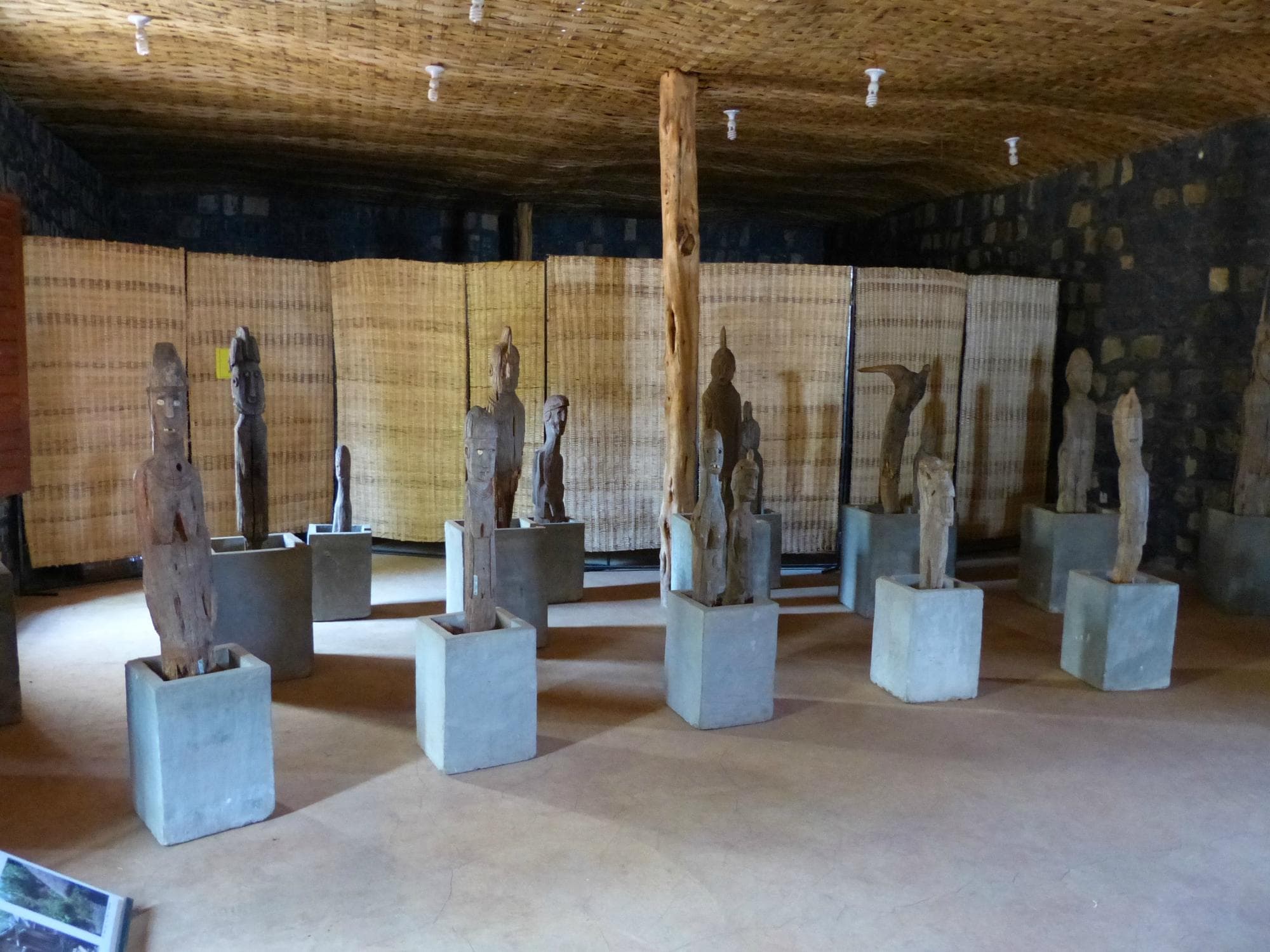
Begin your immersion in the SNNPR at the Konso Cultural Landscape, a UNESCO World Heritage site. This is not a single monument but an entire living cultural environment. You will see the remarkable dry-stone terraced hillsides that have been cultivated for over 400 years, providing a lesson in sustainable agriculture. Wander through fortified villages, known as paletas, and see the generation poles (waka) and communal meeting houses. A local guide is essential to understand the significance of the stone stelae and the social structure. Plan for a slow walk through the villages to appreciate the detail.
Konso Cultural Landscape
Why Visit
The Konso landscape represents a masterpiece of human creative genius, demonstrating a living cultural tradition that has adapted to a harsh environment for centuries. It offers a profound insight into a communal way of life, social organization, and spiritual beliefs that are visually expressed in the stone monuments and terraced fields. For a couple, it's a unique and thought-provoking start to the trip, showcasing human resilience and ingenuity.
Hire a certified guide at the Konso Tourist Information Center. They provide crucial context and facilitate respectful interactions with the local community. Wear sturdy shoes for walking on the rocky paths. Address: Konso Town, near the main market.
2
Arba Minch and Lake Chamo
Day 2 of your journey
3
Dorze Village and Journey to Jinka
Day 3 of your journey
4
Mago National Park and Departure
Day 4 of your journey
Before You Go
Essential Travel Tips
The local currency is the Ethiopian Birr (ETB). Carry enough cash, as ATMs are scarce outside Arba Minch and Jinka, and credit cards are rarely accepted.
Amharic is the national language, but English is spoken in tourist areas and by guides. Learning basic Amharic greetings ("Selam" for hello) is appreciated.
Respect local customs. Dress modestly, especially when visiting villages and religious sites. Shoulders and knees should be covered.
Always hire local, certified guides for village visits. They ensure ethical interactions, provide translation, and their fees support the community.
Travel between towns requires a 4x4 vehicle with a driver. Roads can be rough, especially in the rainy season. Book transport through a reputable tour operator.
Health precautions are key. Drink only bottled or purified water. Consider malaria prophylaxis for the lowland areas like Jinka and Mago.
Bargaining is expected in markets, but do so politely. For cultural village visits, there are often fixed entrance fees; pay these willingly.
Ethiopia uses a unique calendar and time system. "Ethiopian time" is 6 hours behind GMT, and the day starts at sunrise (6 AM Western time is 12:00 Ethiopian time). Confirm times carefully.
When to Go
Best Time to Visit
The best time to visit the SNNPR is during the dry season, from October to March. During these months, roads are more passable, especially for travel to remote areas like Jinka and Mago National Park. The weather is generally warm and sunny, with cooler temperatures in the highlands around Dorze. The rainy season (June to September) can make some roads impassable and travel challenging. The period from late September to October is particularly good, as the landscape is still green from the rains, but the heavy downpours have ceased.
Local Insights & Tips
The SNNPR is defined by its ethnic diversity. Each group has its own language, customs, and social structure. Visits to villages are not to zoos; these are living communities. Always show respect. Asking questions through a guide is encouraged, but avoid judgmental tones. Photography, especially of people, is a sensitive issue. Always ask explicit permission, and be prepared to pay a small, agreed-upon fee in villages like the Mursi—this is a recognized form of cultural exchange and income. Meals are often communal, eaten from a shared plate using injera to scoop up food. If invited to share a coffee ceremony, which is a central social ritual, accept—it's a sign of hospitality and respect. Patience is a virtue; things operate on a different pace here.