4 DaysGabonprovince
Estuaire
Your 4-day travel guide
Estuaire has a tropical climate with distinct dry and rainy seasons. The long dry season from June to September offers t...
Estuaire•4D•All
Estuaire, Gabon
Duration:4 Days
Activities:12
Best for:All travelers
Gabon's Gateway: Culture and Cuisine in Estuaire
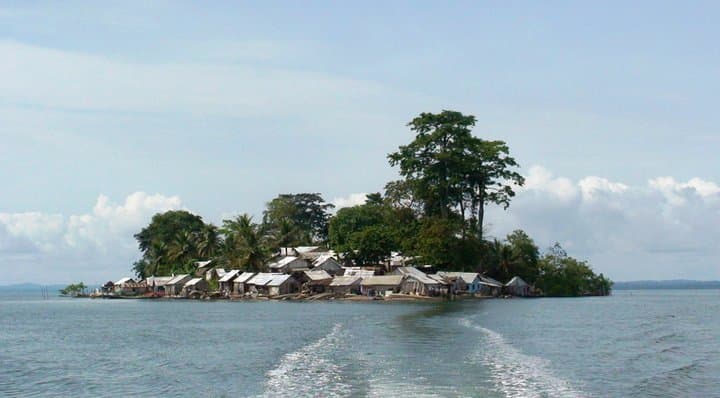
Estuaire, the economic and cultural heart of Gabon, offers a captivating blend of urban sophistication and natural wonders. As the province containing the capital Libreville, it serves as the gateway to Gabon's unique mix of French colonial heritage and vibrant African traditions. This itinerary explores the region's rich cultural tapestry through museums, markets, and historical sites, while indulging in the distinctive flavors of Gabonese cuisine. From the bustling capital to coastal towns and protected natural areas, Estuaire provides an authentic Central African experience with excellent infrastructure for travelers.
Get Real Local Advice
Ask someone who actually lives in Estuaire
1
Urban Culture and History
Day 1 of your journey
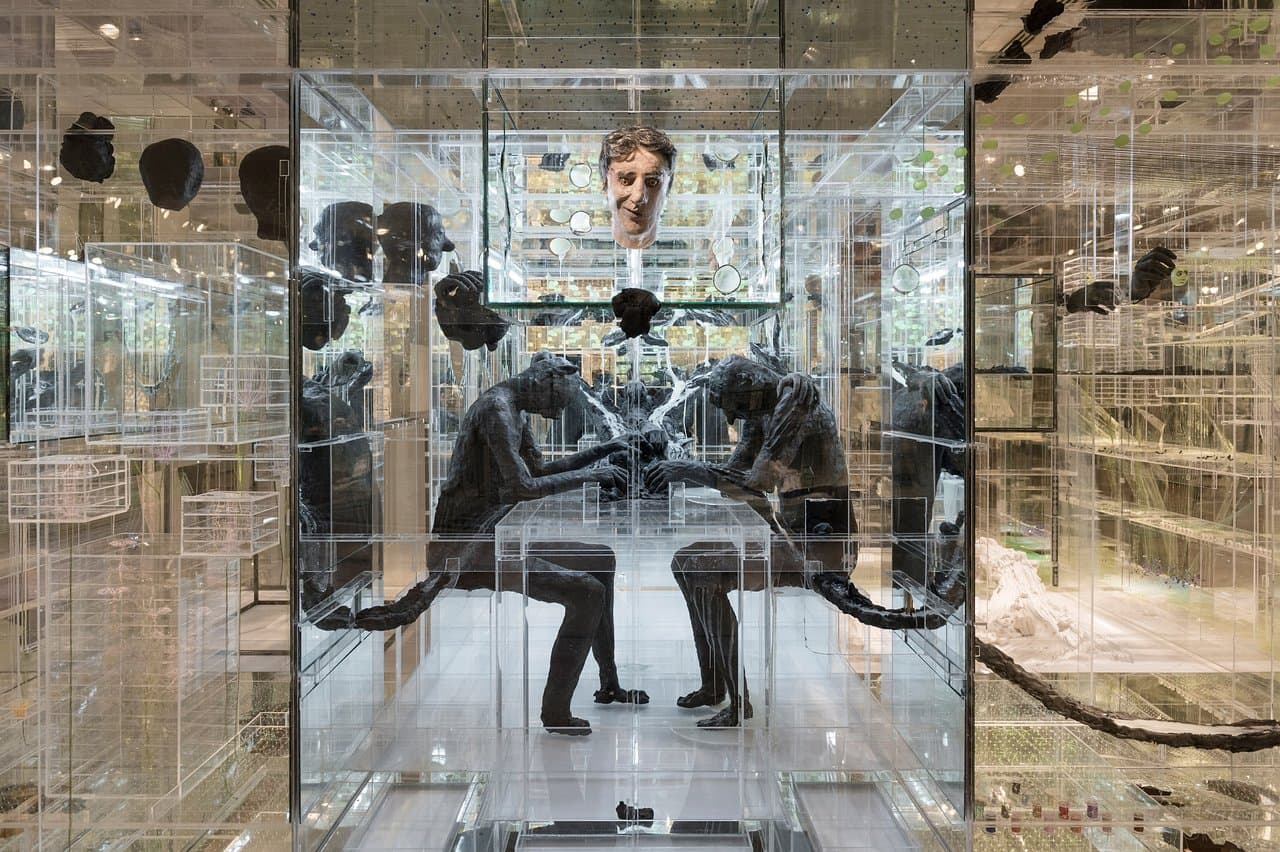
The National Museum offers comprehensive insight into Gabon's diverse ethnic groups and cultural heritage. Visitors will see traditional masks, musical instruments, and artifacts from various regions. The museum provides context about Fang, Punu, and other ethnic traditions. Plan for about two hours to appreciate the well-curated exhibits that explain Gabonese history and artistic expressions. The air-conditioned space offers a comfortable break from the tropical heat while learning about local culture.
Musée National des Arts et Traditions du Gabon
Why Visit
This museum provides essential cultural context for understanding Gabon's diverse ethnic groups and artistic traditions. As the country's premier cultural institution, it offers the most comprehensive collection of Gabonese artifacts and explanations of traditional practices. For couples interested in culture, it creates shared understanding of the region you'll be exploring together.
Address: Boulevard Triomphal, Libreville. The museum is closed on Sundays and Mondays. Photography may require a small additional fee, so ask at the entrance. Combine your visit with the nearby Presidential Palace for efficient sightseeing.
2
Coastal Culture and Markets
Day 2 of your journey
3
Historical Exploration and Local Cuisine
Day 3 of your journey
4
Artisan Crafts and Farewell Dining
Day 4 of your journey
Before You Go
Essential Travel Tips
Gabon uses the Central African CFA franc (XAF). Credit cards are accepted in Libreville but carry cash for smaller establishments and markets.
French is the official language. Learning basic French phrases greatly enhances your experience, though some English is spoken in tourist areas.
Visa requirements vary by nationality. Check well in advance and ensure your yellow fever vaccination certificate is current.
Tap water is not drinkable. Use bottled water even for brushing teeth to avoid stomach issues.
Dress modestly, especially when visiting religious sites or rural areas. Lightweight, breathable fabrics work best in the tropical climate.
Health precautions include malaria prophylaxis. Consult a travel clinic several weeks before your trip for appropriate vaccinations and medications.
Electricity is 220V with European-style two-pin plugs. Bring appropriate adapters for your devices.
Safety generally good in tourist areas, but exercise normal precautions with valuables and avoid walking alone at night in unfamiliar areas.
When to Go
Best Time to Visit
Estuaire has a tropical climate with distinct dry and rainy seasons. The long dry season from June to September offers the most comfortable conditions with less humidity and minimal rainfall. The short dry season from December to February is also pleasant but can be hotter. The rainy seasons (March to May and October to November) bring heavy downpours that can disrupt travel plans and make some rural areas less accessible. Cultural events and festivals often occur during dry seasons, making these periods ideal for comprehensive exploration.
Local Insights & Tips
Gabonese culture emphasizes respect and formality in interactions. Greetings are important, with handshakes common and using titles like 'Monsieur' or 'Madame' appreciated. Meals are social occasions, with shared dishes common in traditional settings. Punctuality follows 'African time' meaning events often start later than scheduled. Photography requires permission, especially of people or government buildings. The mix of French colonial influence and diverse ethnic traditions creates unique cultural expressions visible in food, arts, and daily life. Libreville has more Western amenities while rural areas maintain stronger traditional practices.