
4 DaysGuinea-Bissau
Bissau
Your 4-day travel guide
The best time to visit Bissau is during the dry season from November to May, when rainfall is minimal and temperatures a...
Bissau•4D•All
Bissau, Guinea-Bissau
Duration:4 Days
Activities:12
Best for:All travelers
Creole Flavors and Colonial Echoes in West Africa's Capital
Bissau, the capital of Guinea-Bissau, is a city where Portuguese colonial architecture stands alongside West African markets, creating a unique cultural blend. As a couple exploring this compact capital, you'll discover a place moving at its own rhythm, where the Atlantic breeze mingles with the scent of grilled fish and the sounds of Kriol. The city offers an authentic, unpolished experience focused on local life rather than tourist attractions. Your four days will immerse you in the Creole culture through its food, music, and resilient history, with opportunities for romantic waterfront strolls and discovering hidden corners of this often-overlooked destination.
Get Real Local Advice
Ask someone who actually lives in Bissau
1
Colonial History and Market Life
Day 1 of your journey
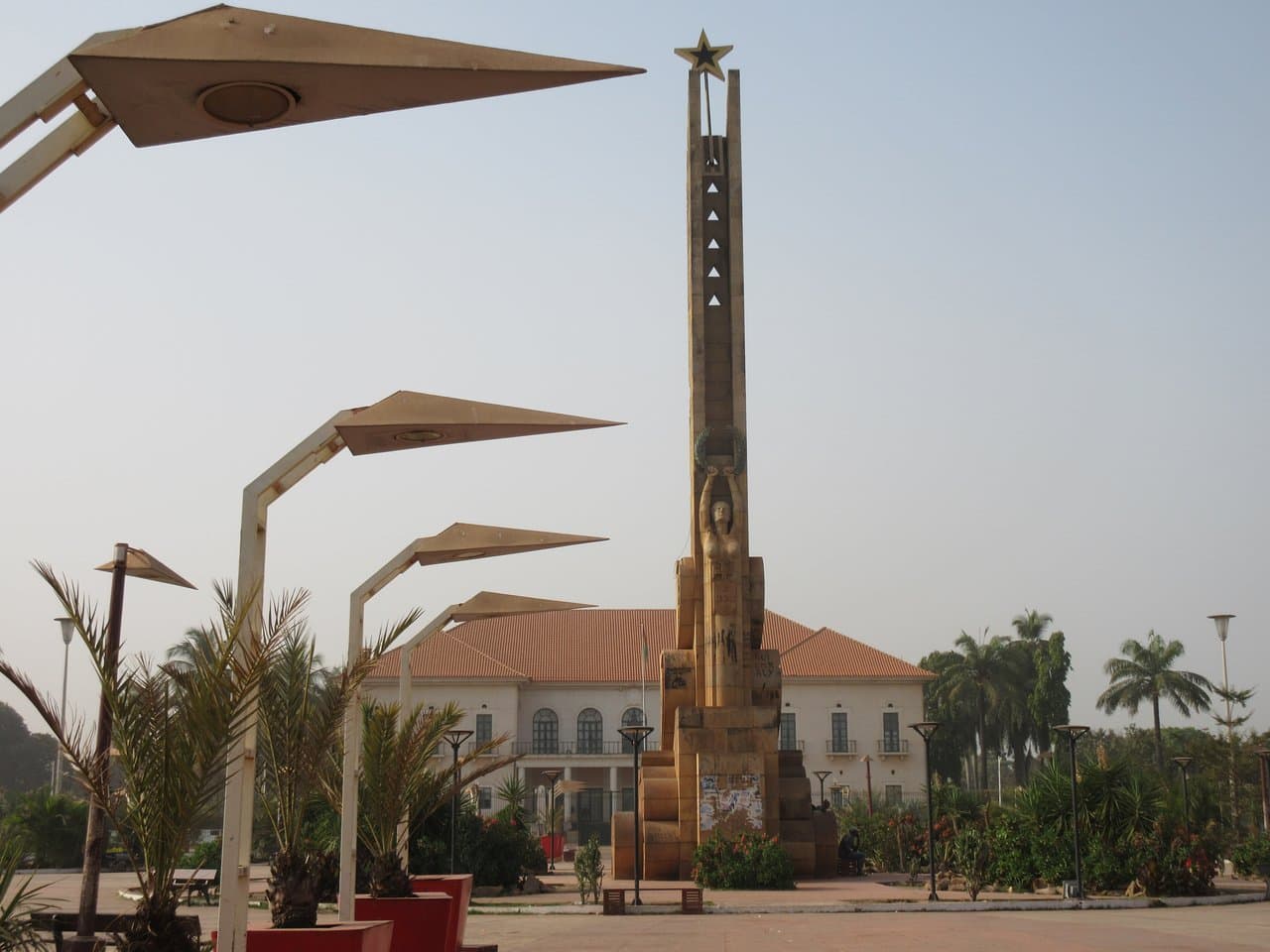
Start your day at the Presidential Palace, a striking white colonial building that serves as the seat of government. While you can't enter, the exterior and surrounding gardens are worth seeing. Then walk to Independence Square (Praça dos Heróis Nacionais), the city's main public space commemorating the struggle for independence from Portugal. You'll see monuments and locals going about their day. The area gives a sense of the city's political history and current life. Visit in the morning when it's cooler and less crowded.
Presidential Palace and Praça dos Heróis Nacionais
Why Visit
This area represents the heart of Bissau's political and historical identity. The Presidential Palace is one of the city's most recognizable landmarks, while Independence Square provides context about Guinea-Bissau's journey to sovereignty. As a couple, you can appreciate the architecture and take photos in this significant setting that few international tourists see.
Address: Avenida Amilcar Cabral. Be respectful as it's a government area; avoid taking photos of guards. The square is more active on weekends when families gather.
2
Cultural Heritage and Waterfront
Day 2 of your journey
3
Local Neighborhoods and Evening Culture
Day 3 of your journey
4
Artisan Crafts and Farewell Flavors
Day 4 of your journey
Before You Go
Essential Travel Tips
Currency is the West African CFA franc (XOF); bring enough cash as ATMs can be unreliable and credit cards are rarely accepted outside major hotels.
Portuguese is the official language, but Kriol (Creole) is widely spoken; basic French can be helpful as it's commonly understood.
Use yellow taxis for getting around; agree on fares before getting in as they don't use meters. Short rides within the city cost 500-1000 CFA.
Drink only bottled or filtered water and be cautious with street food if you have a sensitive stomach.
Dress modestly, especially when visiting markets or religious sites; the population is predominantly Muslim with Christian and animist minorities.
Electricity outages are common; carry a power bank for devices and a flashlight.
Visit the Bandim Health Center if you need medical attention; it's one of the better facilities in the city.
Always carry your passport or a copy, as police may request identification.
When to Go
Best Time to Visit
The best time to visit Bissau is during the dry season from November to May, when rainfall is minimal and temperatures are more comfortable. December to February offers the mildest weather with daytime temperatures around 28-30°C (82-86°F) and cooler nights. The rainy season from June to October brings high humidity, frequent downpours, and temperatures reaching 35°C (95°F), which can make exploration less pleasant. Some roads may become difficult during heavy rains. Cultural events and festivals often occur during the dry season, aligning with better travel conditions.
Local Insights & Tips
Bissau operates on a relaxed timetable where appointments and schedules are flexible. The population is predominantly Muslim, but religious practice is generally moderate, with a significant Christian minority and traditional animist influences. Social interactions emphasize respect for elders and community values. When greeting, a handshake is common, often followed by inquiries about family. The Kriol language reflects the mix of Portuguese and African languages that developed during the colonial period. In restaurants, service can be slow by Western standards; patience is appreciated. Photography of government buildings or military installations should be avoided. The city has limited tourist infrastructure, so adaptability and a respectful curiosity will enhance your experience.