
4 DaysHonduras
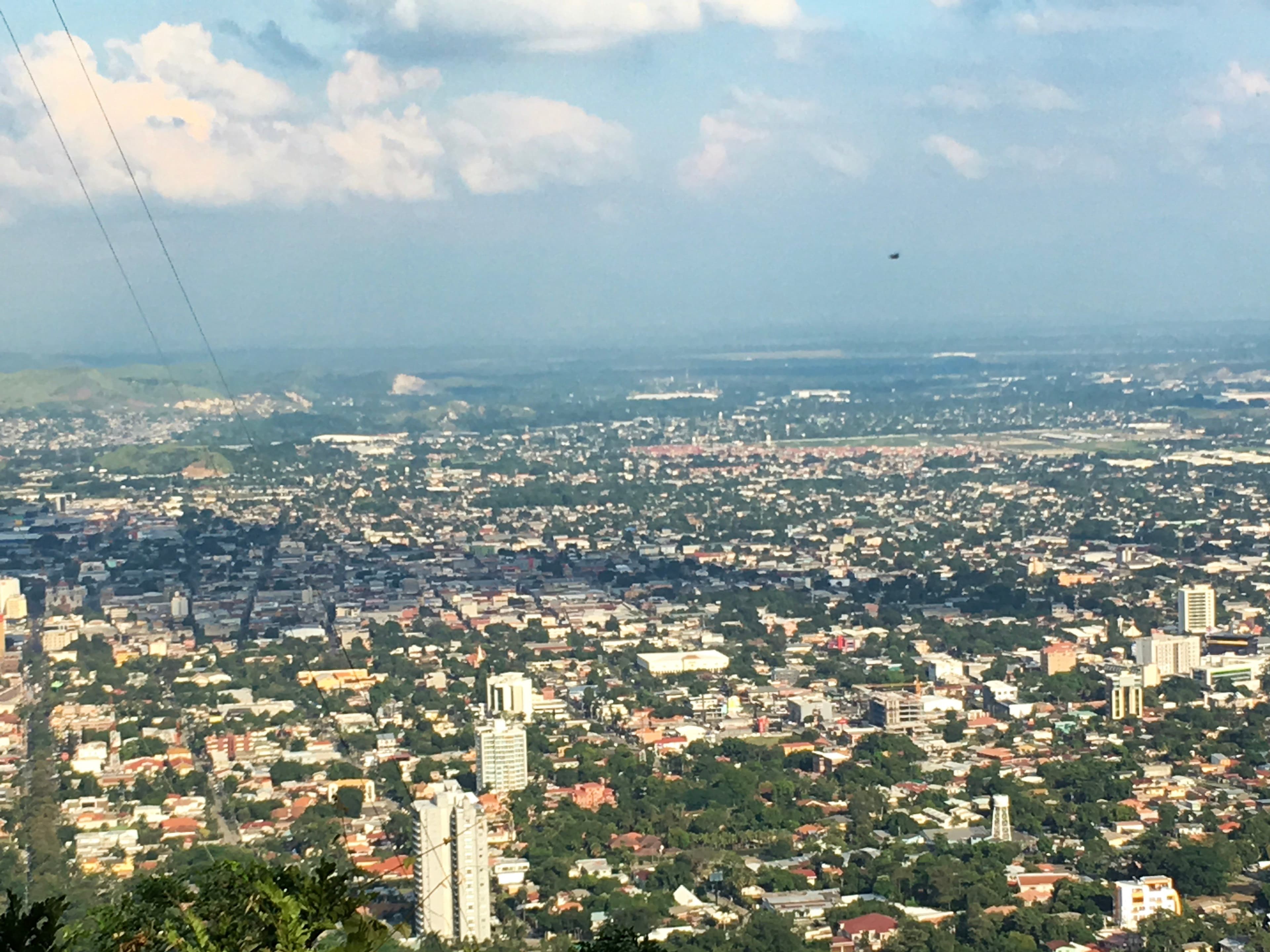
San Pedro Sula
Your 4-day travel guide
The best time to visit San Pedro Sula is during the dry season from December to April, when rainfall is minimal and temp...
San Pedro Sula•4D•All
San Pedro Sula, Honduras
Duration:4 Days
Activities:12
Best for:All travelers
Flavors and Heritage in Honduras' Industrial Heart
San Pedro Sula, often called Honduras' industrial capital, offers a surprising depth of cultural and culinary experiences beyond its business reputation. As the country's second-largest city, it serves as a gateway to northern Honduras and presents visitors with a mix of modern energy and traditional Honduran life. This itinerary focuses on the city's authentic cultural institutions and rich food scene, perfect for couples seeking to connect with local heritage through museums, markets, and regional cuisine. You'll discover colonial history, contemporary art, and flavors that define this dynamic urban center.
Get Real Local Advice
Ask someone who actually lives in San Pedro Sula
1
Cultural Heritage and Local Flavors
Day 1 of your journey
This museum provides an excellent introduction to Honduras' cultural heritage, with exhibits spanning from pre-Columbian civilizations to colonial and modern periods. You'll see Maya artifacts, colonial-era documents, and displays about the region's development. The museum is housed in a historic building and offers air-conditioned relief from the city heat. Plan for about two hours to explore the well-organized collections, which provide context for your entire trip. It's less crowded in the morning, allowing for a more intimate experience.
Museo de Antropología e Historia de San Pedro Sula
Why Visit
This museum is essential for understanding the cultural layers of Honduras and the San Pedro Sula region specifically. It offers the most comprehensive historical overview available in the city, with authentic artifacts and informative displays that connect ancient civilizations to contemporary Honduran identity. The collection provides crucial background that enhances appreciation of all other cultural experiences during your visit.
Address: 3a Avenida NO, between 3a and 4a Calles NO. The museum has limited English signage, so consider using a translation app or hiring one of the available guides for deeper understanding of the exhibits.
2
Art, Markets, and Evening Dining
Day 2 of your journey
3
Neighborhood Exploration and Cultural Immersion
Day 3 of your journey
4
Culinary Focus and Cultural Reflection
Day 4 of your journey
Before You Go
Essential Travel Tips
Use official taxis or ride-sharing apps rather than hailing cabs on the street for safety
Carry Honduran lempiras in small denominations, as many smaller establishments don't accept credit cards
Learn basic Spanish phrases; while some tourism workers speak English, most daily interactions require Spanish
Dress modestly when visiting religious sites like the cathedral
Drink bottled water and avoid ice in drinks unless at established restaurants
Be aware of your surroundings, especially after dark, and avoid displaying valuables
Check museum opening days as some close on Mondays or have limited weekend hours
Confirm restaurant reservations when possible, especially for evening meals at popular spots
When to Go
Best Time to Visit
The best time to visit San Pedro Sula is during the dry season from December to April, when rainfall is minimal and temperatures are warm but manageable. May through November constitutes the rainy season, with frequent afternoon showers and higher humidity that can make outdoor activities less comfortable. December through February offers the most pleasant weather with cooler evenings. The city doesn't have pronounced tourist seasons like beach destinations, so crowds are relatively consistent year-round except during major Honduran holidays when accommodations may be fuller.
Local Insights & Tips
San Pedro Sula functions as Honduras' economic engine, with a pragmatic business culture alongside traditional Honduran warmth. While not a colonial city like others in Central America, it offers authentic urban Honduran life. Punctuality is relaxed in social settings but more expected for business appointments. Hondurans are generally polite and appreciate visitors who attempt basic Spanish greetings. The city has distinct socioeconomic contrasts between modern commercial districts and traditional working-class neighborhoods. Food culture centers on shared meals, with lunch (almuerzo) typically being the largest. Catholicism influences many cultural traditions, though religious practice varies. The city serves as a hub for exploring northern Honduras but has its own cultural institutions worth experiencing.