
4 DaysHong Kong
Sha Tin
Your 4-day travel guide
The best times to visit Sha Tin are during the cooler, drier months from October to early December and from March to Apr...
Sha Tin•4D•All
Sha Tin, Hong Kong
Duration:4 Days
Activities:12
Best for:All travelers
Temples, Trails, and Tasty Noodles in the New Territories
Sha Tin offers a refreshing contrast to Hong Kong's dense urban core, blending cultural heritage with natural landscapes along the Shing Mun River. As part of Hong Kong's New Territories, it's known for its large public housing estates, university campuses, and the famous Ten Thousand Buddhas Monastery. For couples seeking culture and food, Sha Tin provides authentic local experiences away from the tourist crowds, with excellent hiking trails, historic temples, and some of the territory's best noodle shops and traditional Cantonese restaurants. The area maintains a more residential, relaxed pace while remaining easily accessible via Hong Kong's efficient MTR system.
Get Real Local Advice
Ask someone who actually lives in Sha Tin
1
Cultural Heritage and Monastery Exploration
Day 1 of your journey
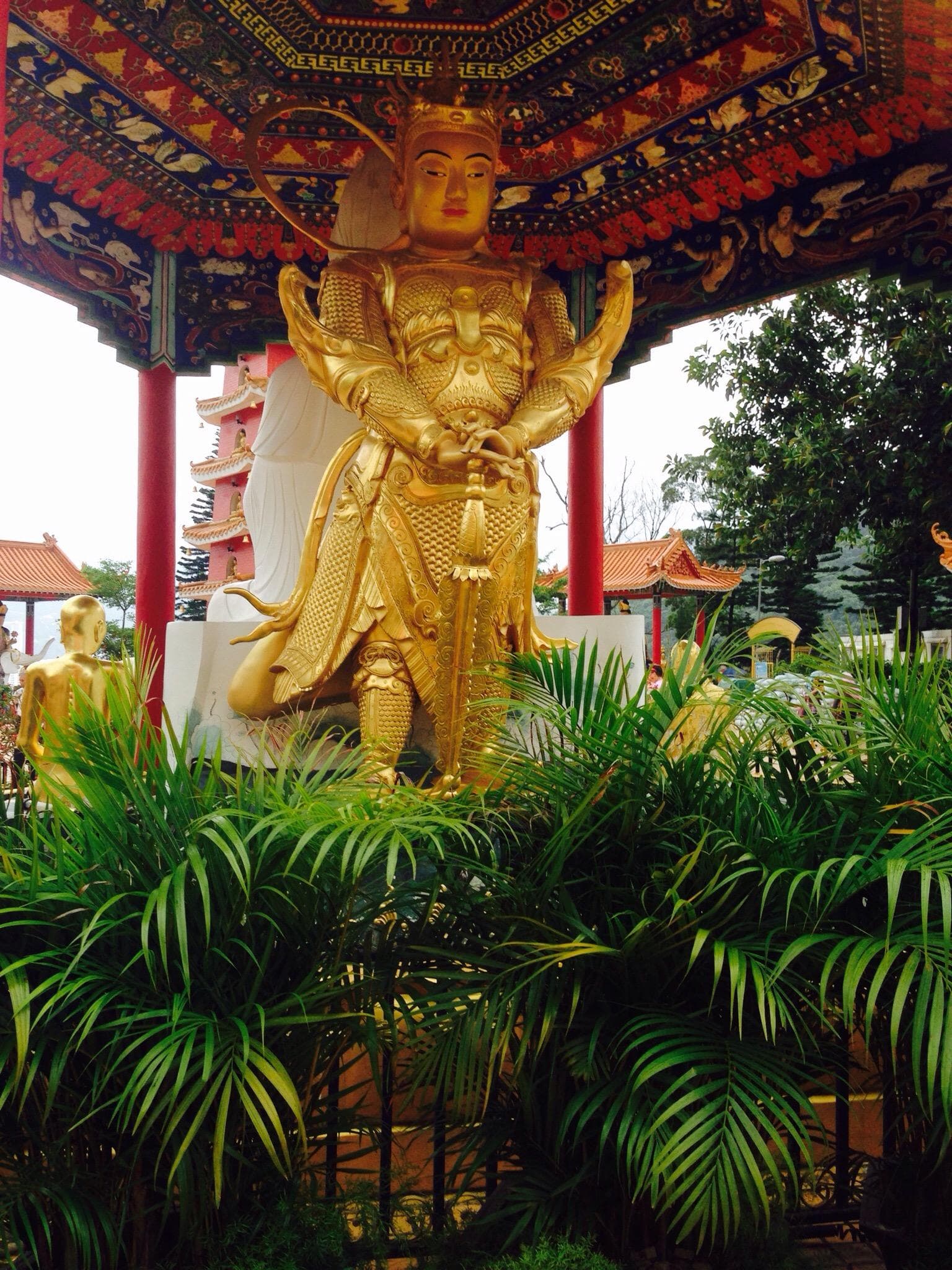
This monastery features over 12,000 Buddha statues lining the path up the hillside, each with a unique expression. The climb involves approximately 400 steps through lush greenery, leading to several temple halls and pagodas. The main hall houses a golden Buddha statue. The site offers panoramic views of Sha Tin. Allow about 2-3 hours for the visit, with mornings being cooler for the climb. The monastery is not inhabited by monks but is maintained as a cultural site.
Ten Thousand Buddhas Monastery (Man Fat Tsz)
Why Visit
This is one of Hong Kong's most unique religious sites, famous for its sheer number of Buddha statues and the scenic hike required to reach it. The architecture blends traditional Chinese styles with colorful decorations. For couples, it provides a peaceful, photogenic experience with rewarding views, perfectly aligning with cultural exploration themes.
Address: Pai Tau Village, Sha Tin. Wear comfortable shoes for the steps. The path can be steep, so take your time. The monastery is free to enter, but donations are appreciated. Avoid weekends if you prefer fewer crowds.
2
Nature, Parks, and Riverside Strolls
Day 2 of your journey
3
Local Neighborhoods and University Culture
Day 3 of your journey
4
Markets, Temples, and Farewell Feast
Day 4 of your journey
Before You Go
Essential Travel Tips
Use the Octopus card for seamless travel on MTR, buses, and ferries; it can be purchased and topped up at MTR stations.
Sha Tin is well-connected by MTR via the East Rail Line and Tuen Ma Line; stations include Sha Tin, Tai Wai, and University.
English is widely understood in tourist areas and on transport, but learning basic Cantonese phrases like 'm̀h'gōi' (thank you) is appreciated.
Hong Kong uses the Hong Kong dollar (HKD); credit cards are accepted in most restaurants and shops, but carry cash for markets and small eateries.
Sha Tin is generally safe, but be cautious of pickpockets in crowded areas like markets; keep valuables secure.
Tipping is not mandatory; a 10% service charge is often included in restaurant bills, but rounding up or leaving small change is fine.
Dress modestly when visiting temples; cover shoulders and knees as a sign of respect.
Check public holiday schedules, as attractions like museums may have altered hours or closures.
When to Go
Best Time to Visit
The best times to visit Sha Tin are during the cooler, drier months from October to early December and from March to April. During these periods, temperatures range from 18°C to 28°C (64°F to 82°F), making outdoor activities like hiking more comfortable. Summers (May to September) are hot, humid, and rainy, with possible typhoons, which can disrupt plans. Winters (January to February) are mild but can be cool, especially in the evenings. Avoid major Chinese holidays like Lunar New Year, when many locals travel and some businesses may close.
Local Insights & Tips
Sha Tin is primarily a residential area with a mix of public housing estates, private developments, and university communities. Locals value efficiency and practicality, reflected in the fast-paced yet friendly service in shops and restaurants. The area has a strong sense of community, with many residents using parks and riverside paths for exercise and relaxation. Culturally, respect for elders and modest behavior in religious sites is important. Sha Tin is less international than central Hong Kong, so embracing local customs, such as queuing orderly and avoiding loud conversations in public, will help you blend in. The food scene emphasizes fresh ingredients and traditional Cantonese techniques, with many family-run eateries.