4 DaysIndia
Bhayandar
Your 4-day travel guide
The best time to visit Bhayandar is from November to February, during the winter season. Temperatures range from 15°C to...
Bhayandar•4D•All
Bhayandar, India
Duration:4 Days
Activities:12
Best for:All travelers
Mumbai's Northern Gateway: Temples, Markets, and Coastal Flavors
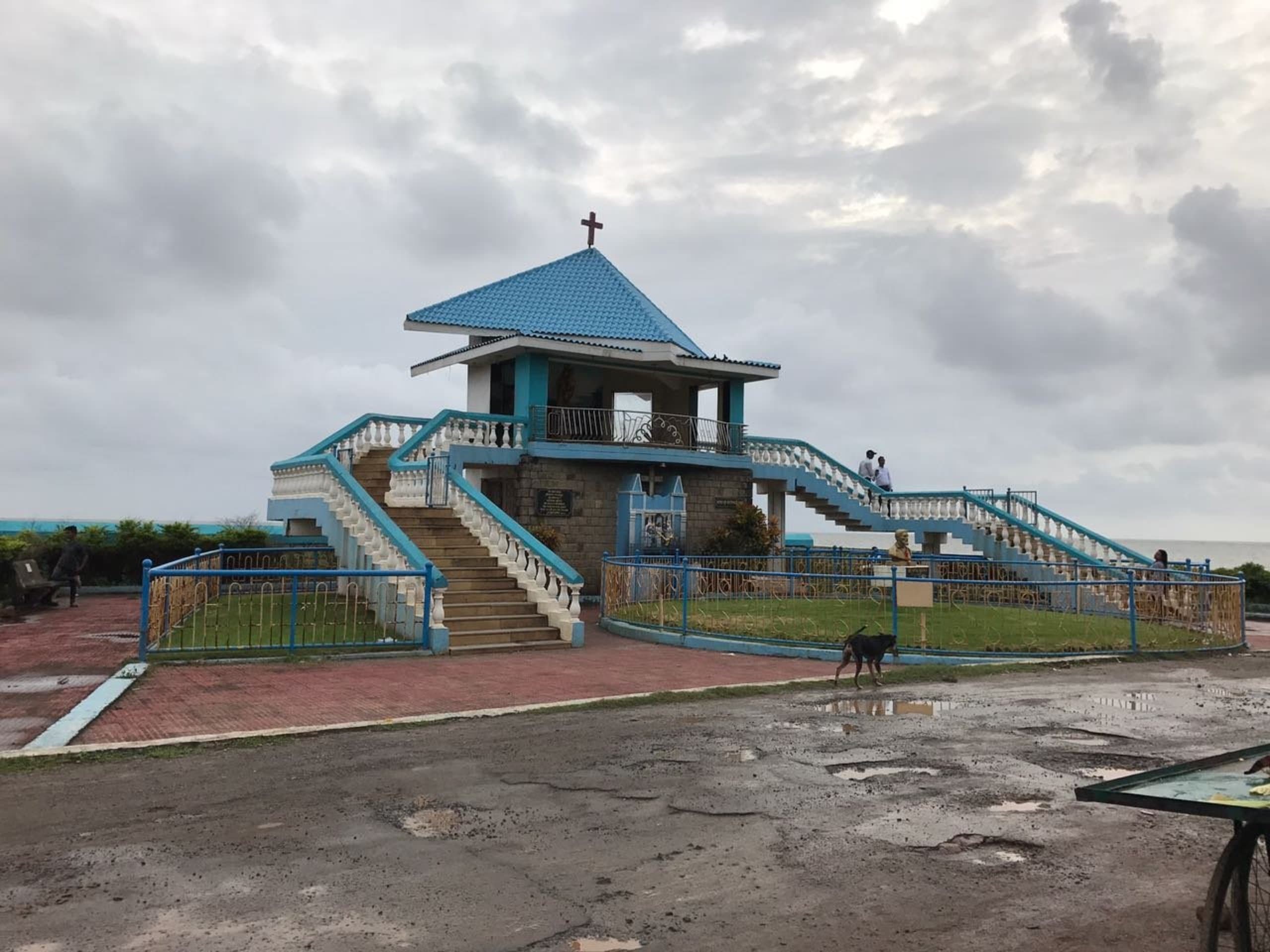
Bhayandar, located in the Mumbai Metropolitan Region, serves as a residential and commercial hub with a distinct local character. While not a major tourist destination, it offers authentic experiences for those seeking to explore beyond Mumbai's core. The city blends urban development with traditional elements, featuring local temples, bustling markets, and access to coastal areas. For couples interested in culture and food, Bhayandar provides opportunities to experience everyday life in this part of Maharashtra, with its mix of Marathi and cosmopolitan influences, making it a practical base for exploring northern Mumbai's less-visited neighborhoods.
Get Real Local Advice
Ask someone who actually lives in Bhayandar
1
Cultural and Spiritual Introduction
Day 1 of your journey
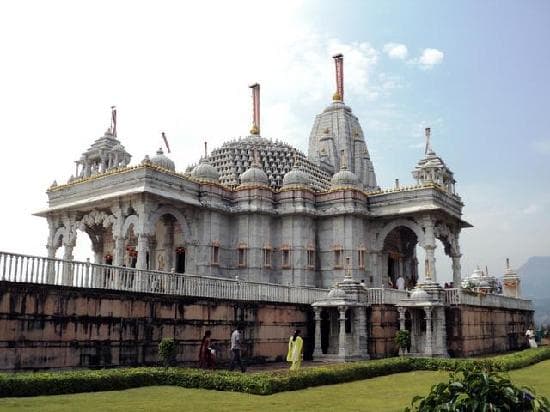
This Jain temple is a significant religious site in Bhayandar, known for its traditional architecture and peaceful atmosphere. Visitors can observe intricate carvings and participate in quiet reflection. The temple is active with local devotees, especially during morning prayers. It typically takes about an hour to explore the main hall and surrounding areas. The best time to visit is in the morning when it's less crowded and cooler.
Bhayandar Jain Temple
Why Visit
This temple offers insight into Jain religious practices and architecture in the region. For couples interested in culture, it provides a serene start to the trip with opportunities for quiet moments together. The detailed craftsmanship and spiritual ambiance make it a meaningful local landmark worth experiencing.
Dress modestly with covered shoulders and knees. Remove shoes before entering. Address: Near Bhayandar Railway Station East, Bhayandar.
2
Coastal Exploration and Local Eateries
Day 2 of your journey
3
Neighborhood Discovery and Evening Dining
Day 3 of your journey
4
Local Crafts and Farewell Flavors
Day 4 of your journey
Before You Go
Essential Travel Tips
Bhayandar is well-connected by Mumbai local trains on the Western Line; use the Bhayandar station for easy access.
Auto-rickshaws are common for short distances; agree on fare or use meter if available.
Carry Indian rupees in cash, as smaller shops and street vendors may not accept cards.
English is understood in commercial areas, but learning basic Marathi phrases like 'namaskar' (hello) is appreciated.
Dress modestly, especially when visiting temples, covering shoulders and knees.
Tap water is not safe to drink; use bottled water, which is widely available.
Bhayandar is generally safe, but be cautious with belongings in crowded markets.
Check train schedules if traveling to/from Mumbai, as services can be crowded during peak hours.
When to Go
Best Time to Visit
The best time to visit Bhayandar is from November to February, during the winter season. Temperatures range from 15°C to 30°C, with low humidity and minimal rainfall, making outdoor activities comfortable. March to May can be hot, with temperatures reaching 35°C or higher. The monsoon season from June to September brings heavy rains, which may disrupt travel and outdoor plans. October marks a transition with reducing rains. Winter also coincides with festivals like Diwali, adding cultural vibrancy.
Local Insights & Tips
Bhayandar is part of the Mumbai Metropolitan Region, with a population that includes Marathi-speaking locals and migrants from other parts of India. The culture blends traditional Maharashtrian elements with urban influences. Respect for elders and religious sites is important; greet with 'namaskar' and remove shoes at temples. Food is predominantly vegetarian in many establishments, with seafood available due to coastal proximity. The pace is slower than central Mumbai, with a focus on residential and commercial life. Local markets reflect daily needs rather than tourist offerings, providing authentic experiences. Public behavior is generally conservative; avoid public displays of affection.