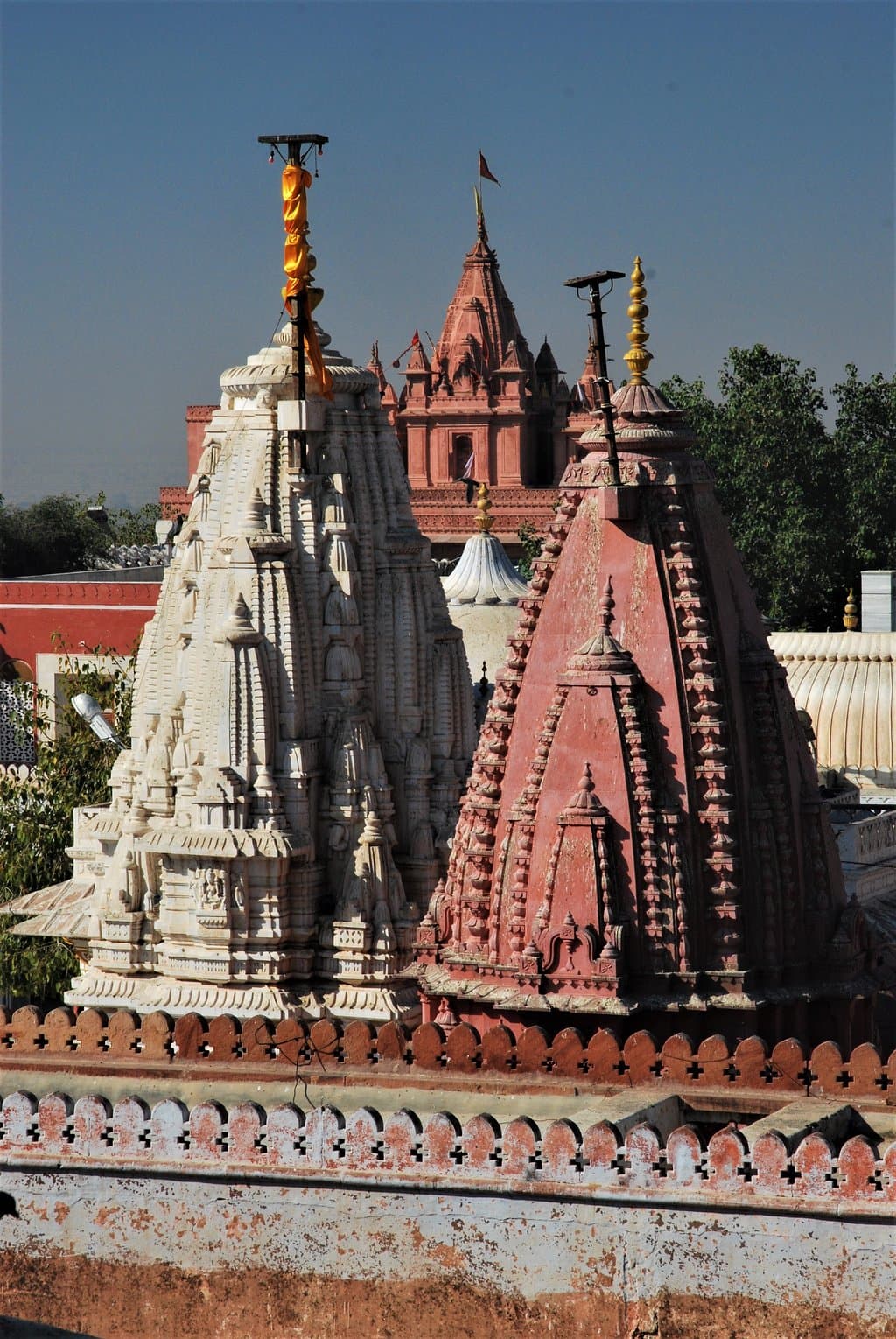
4 DaysIndia
Bīkaner
Your 4-day travel guide
The best time to visit Bīkaner is from October to March, when temperatures are cooler and more comfortable for sightseei...
Bīkaner•4D•All
Bīkaner, India
Duration:4 Days
Activities:12
Best for:All travelers
Desert Fortresses and Spiced Delights
Bīkaner, founded in 1488 by Rao Bika, rises from the Thar Desert in Rajasthan with a legacy of trade and royalty. Known for its magnificent forts, intricate havelis, and distinctive cuisine, this walled city offers an authentic glimpse into Rajput culture. Its arid climate has preserved stunning architecture and traditions, making it a compelling destination for those seeking history and culinary adventures beyond India's more crowded tourist circuits. The city's compact layout allows for immersive exploration of its heritage sites and local markets.
Get Real Local Advice
Ask someone who actually lives in Bīkaner
1
Royal Heritage and Architecture
Day 1 of your journey
Junagarh Fort is a formidable structure built in the 16th century, notable for never being conquered. Visitors can explore its palaces, courtyards, and temples adorned with intricate carvings, frescoes, and marble work. The fort houses museums displaying royal artifacts, weapons, and costumes. A guided tour typically takes 2-3 hours, with mornings being ideal to avoid afternoon heat. The architecture blends Rajput, Mughal, and Gujarati styles, offering a comprehensive look at Bīkaner's royal history.
Junagarh Fort
Why Visit
This fort is one of Rajasthan's most impressive and well-preserved forts, showcasing exceptional craftsmanship and military architecture. For couples interested in culture, it provides a romantic backdrop of historical grandeur and detailed artistry, with quiet corners perfect for contemplation away from crowds.
Hire an official guide at the entrance for detailed historical context. The Phool Mahal (Flower Palace) and Anup Mahal are highlights not to miss. Address: Junagarh Fort Road.
2
Cultural Sites and Local Markets
Day 2 of your journey
3
Art, Museums, and Relaxation
Day 3 of your journey
4
Culinary Exploration and Departure
Day 4 of your journey
Before You Go
Essential Travel Tips
Bīkaner is compact; auto-rickshaws are the main transport for short distances—negotiate fares before riding.
Carry cash (Indian Rupees) as many smaller shops and eateries do not accept cards.
Learn basic Hindi phrases like 'namaste' (hello) and 'dhanyavad' (thank you); English is understood in tourist areas.
Dress modestly, especially when visiting temples—cover shoulders and knees.
Stay hydrated and use sunscreen; the desert climate can be hot and dry.
Bargain politely in markets, but fixed-price shops are common for branded items.
Check attraction opening times, as some close early or have varying schedules.
Respect local customs; ask before photographing people or religious sites.
When to Go
Best Time to Visit
The best time to visit Bīkaner is from October to March, when temperatures are cooler and more comfortable for sightseeing, ranging from 10°C to 25°C. This period avoids the extreme heat of summer (April to June), when temperatures can exceed 40°C, and the monsoon season (July to September), which brings limited rainfall but humidity. Winter months offer clear skies and pleasant weather, ideal for exploring outdoor attractions and enjoying local festivals like the Bīkaner Camel Festival in January.
Local Insights & Tips
Bīkaner has a strong Rajput cultural identity, with traditions centered around hospitality, art, and desert life. Local customs include respect for elders and religious sites; remove shoes before entering temples and dress conservatively. The city is known for its camel breeding and related festivals, reflecting its desert heritage. Neighborhoods like the old city near Kote Gate retain a traditional feel with narrow lanes and havelis, while areas around Lalgarh Palace are more modern. Food is integral, with specialties like bhujia and laal maas showcasing bold flavors. Tipping is appreciated but not mandatory; 10% in restaurants is customary.