
4 DaysIndia
Dhūlia
Your 4-day travel guide
The best time to visit Dhūlia is from October to March when temperatures are milder, ranging from 15°C to 30°C. This per...
Dhūlia•4D•All
Dhūlia, India
Duration:4 Days
Activities:12
Best for:All travelers
Cultural Flavors and Historic Echoes in Dhūlia
Dhūlia, located in Maharashtra's Khandesh region, offers a compelling blend of historical depth and cultural richness. As a district headquarters, it serves as a gateway to understanding the local Marathi and tribal influences that shape the area. The city is known for its agricultural markets, particularly for cotton and bananas, which contribute to its economic vitality. For travelers, Dhūlia provides authentic experiences through its temples, local cuisine, and community events, making it an ideal destination for those seeking to explore beyond typical tourist trails. Its manageable size allows for intimate exploration of its heritage sites and culinary offerings.
Get Real Local Advice
Ask someone who actually lives in Dhūlia
1
Cultural Heritage and Local Temples
Day 1 of your journey
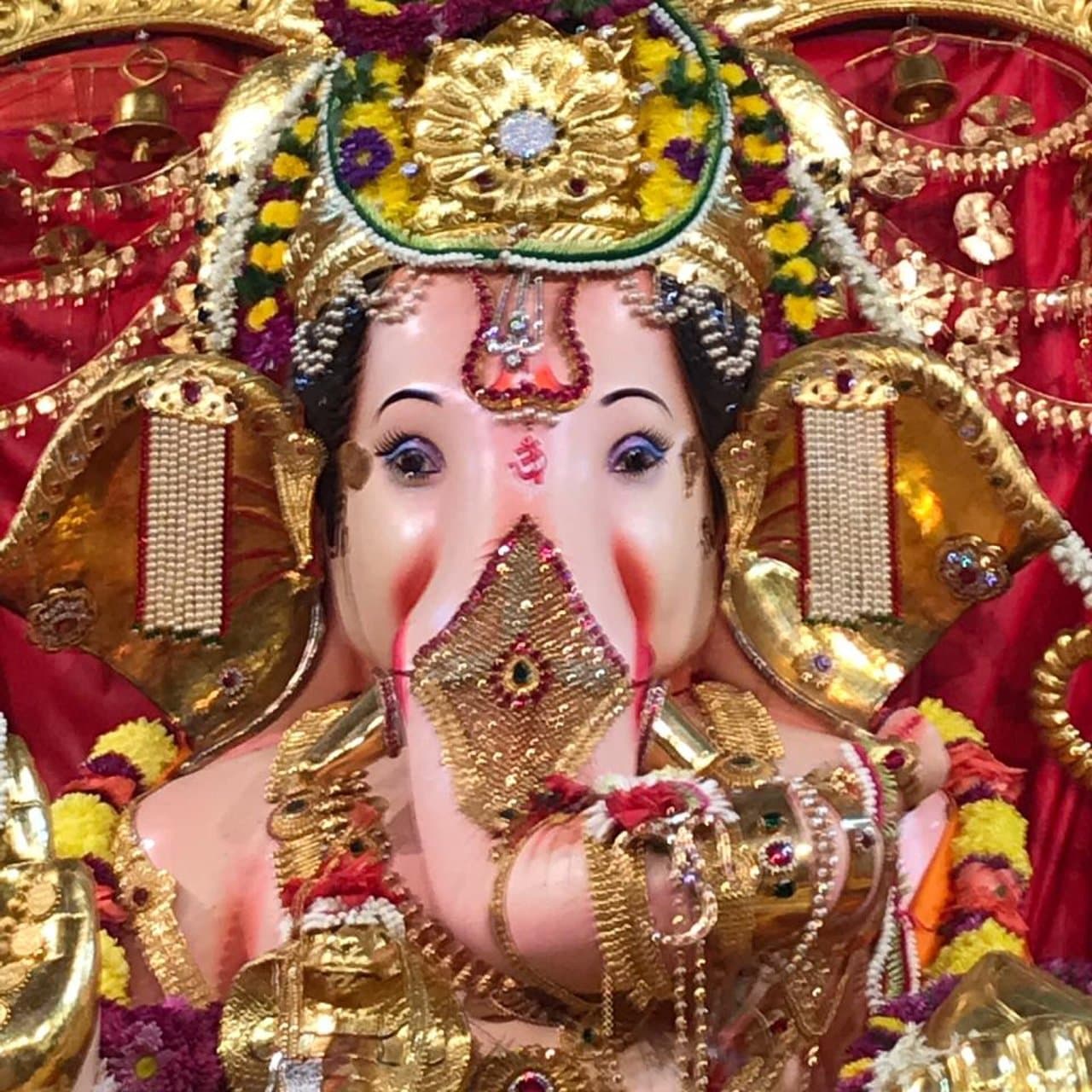
Shri Ram Mandir is one of Dhūlia's prominent Hindu temples, dedicated to Lord Rama. This temple features traditional Marathi architecture with intricate carvings and a peaceful atmosphere. Visitors can observe morning rituals, explore the temple grounds, and experience local devotion. The temple is active throughout the day, but mornings offer a quieter visit. Plan for about an hour to appreciate the architecture and spiritual ambiance, with time for quiet reflection in the courtyard.
Shri Ram Mandir
Why Visit
This temple provides insight into Dhūlia's religious practices and architectural heritage. It's a central cultural site where you can witness daily worship rituals and admire traditional design elements. The peaceful environment makes it suitable for couples seeking a contemplative start to their trip, connecting with local spirituality.
Visit early to avoid crowds and experience the morning aarti ceremony. Dress modestly with covered shoulders and knees. Address: Near Gandhi Chowk, Dhule.
2
Historical Exploration and Local Crafts
Day 2 of your journey
3
Culinary Deep Dive and Evening Culture
Day 3 of your journey
4
Local Life and Departure Preparation
Day 4 of your journey
Before You Go
Essential Travel Tips
Transport: Auto-rickshaws are the main local transport; agree on fare before riding. For longer distances, taxis can be booked through hotels.
Currency: Use Indian Rupees (INR). ATMs are available in city center, but carry some cash for markets and smaller establishments.
Language: Marathi is primary; Hindi and some English understood in tourist areas. Learn basic Marathi greetings.
Safety: Dhūlia is generally safe, but take normal precautions with valuables in crowded areas.
Dress: Modest clothing recommended, especially for temple visits. Cover shoulders and knees at religious sites.
Food: Drink bottled water. Street food is generally safe at busy stalls with high turnover.
Bargaining: Expected in markets; be polite and good-natured during negotiations.
Timing: Many shops close between 13:00-16:00 for afternoon break; plan shopping accordingly.
When to Go
Best Time to Visit
The best time to visit Dhūlia is from October to March when temperatures are milder, ranging from 15°C to 30°C. This period avoids the intense heat of summer (April-June) when temperatures can exceed 40°C, and the monsoon season (July-September) which brings heavy rainfall. Winter months offer comfortable weather for exploring outdoor sites and markets. Cultural festivals like Diwali (October/November) and Holi (March) occur during this period, providing additional cultural experiences, though accommodations may be busier.
Local Insights & Tips
Dhūlia reflects a mix of Marathi culture with influences from local tribal communities. The city has a relaxed pace compared to larger Indian metros. Respect for religious traditions is important, especially at temples where removing shoes and dressing modestly is expected. The local cuisine emphasizes vegetarian dishes with distinctive use of peanuts, coconut, and regional spices. Community events and festivals are central to social life. When interacting with locals, polite greetings and patience are appreciated. The city's economy revolves around agriculture, particularly cotton, which influences daily life and market activities.